History · Geology
About Lavrion (Laurium)
Lavrion (ancient Laurium) in southeastern Attica, Greece, is one of the world’s longest-mined Pb-Zn-Ag districts — exploited continuously from the 5th century BCE to the 20th century. Its slag heaps and oxidation-zone secondary mineralization produce a globally significant suite of Cu-Zn-Pb arsenates, carbonates, and sulfates.
Geology
The deposit is a carbonate-replacement Pb-Zn-Ag system in Triassic-Jurassic marble-shale sequences. Two thousand years of intermittent oxidation, plus reaction of mining slag with seawater, produced an extraordinary diversity of secondary minerals — including many type localities.
Notable Minerals
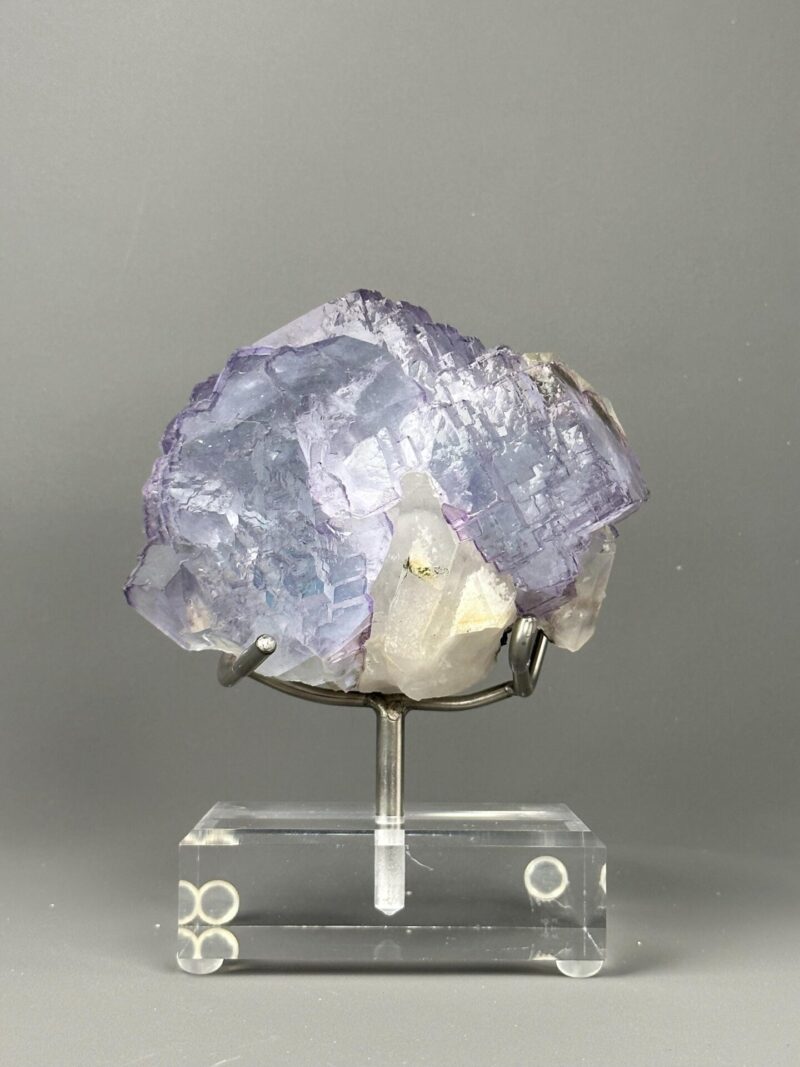
Adamite (cuprian green and cobaltian purple varieties), smithsonite (Lavrion famous for white botryoidal), hemimorphite, mimetite, aurichalcite, rosasite, fluorite (octahedral with phantom), azurite, cerussite, pyromorphite, calcite. Plus dozens of rare slag-derived species.
Collector Notes
Lavrion is the European answer to Mapimí. Cuprian adamite from Lavrion is brilliantly emerald-green and unmatched globally. Many secondary specimens have ancient/medieval/modern mining provenance.
Minerals Produced Here
- Adamite (橄榄铜砷石)
- Aurichalcite (绿铜锌矿)
- Azurite (蓝铜矿)
- Calcite (方解石)
- Cerussite (白铅矿)
- Fluorite (萤石)
- Hemimorphite (异极矿)
- Hydrozincite (水锌矿)
- Mimetite (砷铅矿)
- Pyromorphite (磷氯铅矿)
- Rosasite (蓝绿铜锌矿)
- Smithsonite (菱锌矿)