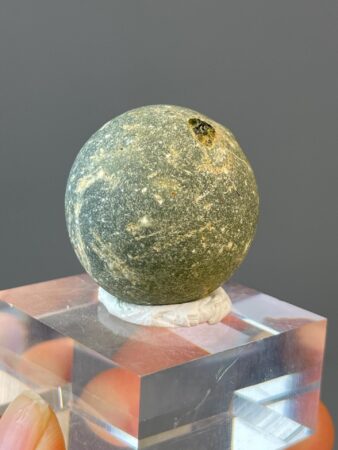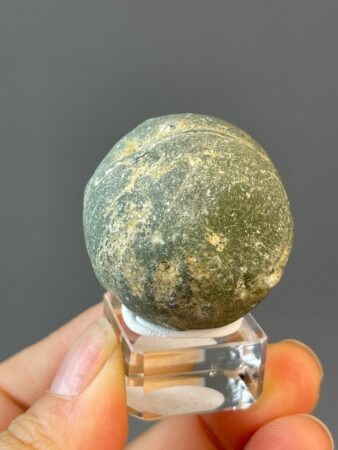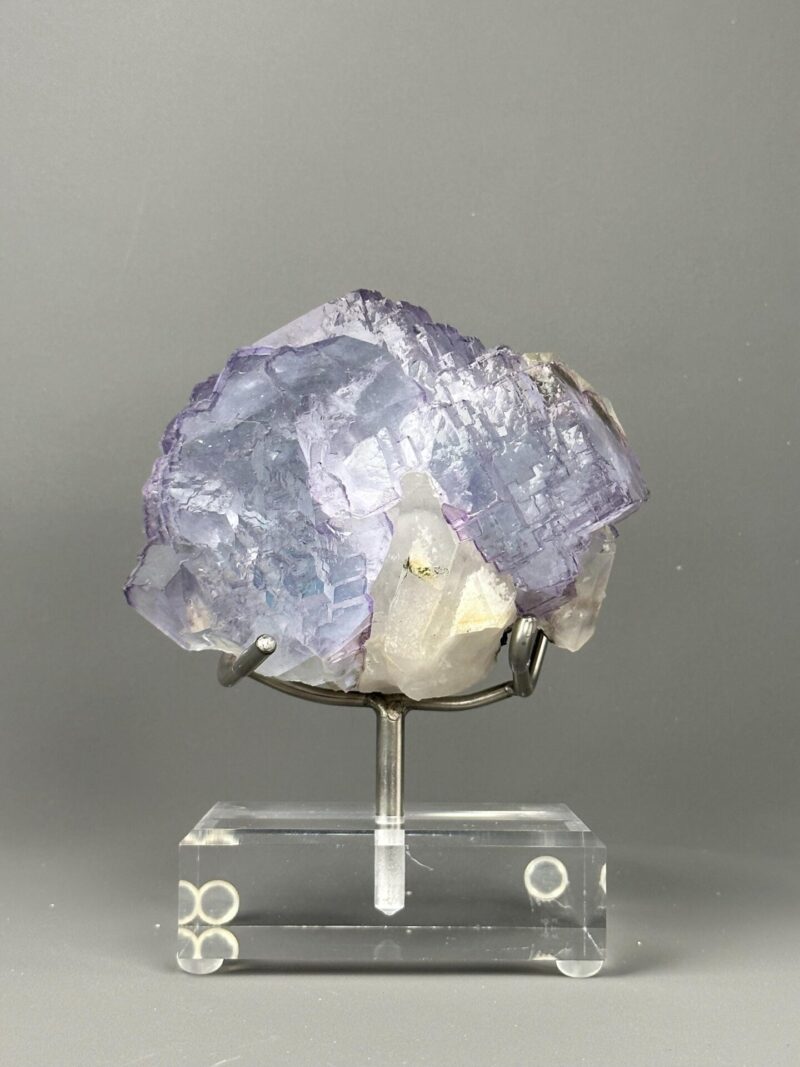
Prehnite (Ca₂Al₂Si₃O₁₀(OH)₂) is a calcium-aluminum phyllosilicate famous for its botryoidal, pale-green to lemon-yellow translucent crystal aggregates. It is the type mineral named after a person — Colonel Prehn, who first described it in 1788. Modern world-class material comes from Mali (Kayes Region) and India, with notable Chinese occurrences in Hubei and the Yangtze River basin diabase belts.
Key Facts
- Mohs hardness 6–6.5.
- Orthorhombic; rare prismatic crystals, but more often forms botryoidal and reniform aggregates.
- Pale green to yellow-green color is most prized; rare blue and white varieties also occur.
- Common companion to zeolite minerals in basalt cavities.
- Pearly luster on cleavage planes; vitreous on broken surfaces.
Notable Localities
Kayes Region (Mali) produces world-class lemon-yellow botryoidal Prehnite. Bombay (India) and Cape Province (South Africa) yield classic specimens. China has occurrences in Hubei.
Found at these Localities
- Maharashtra Deccan Traprock Zeolites (马哈拉施特拉德干玄武岩沸石产地)
- Filipinas Mine (Los Chupaderos) (菲利皮纳斯矿(拉利玛产地))
- Merelani Hills (梅雷拉尼山(坦桑石产地))
- Hubei (湖北)