
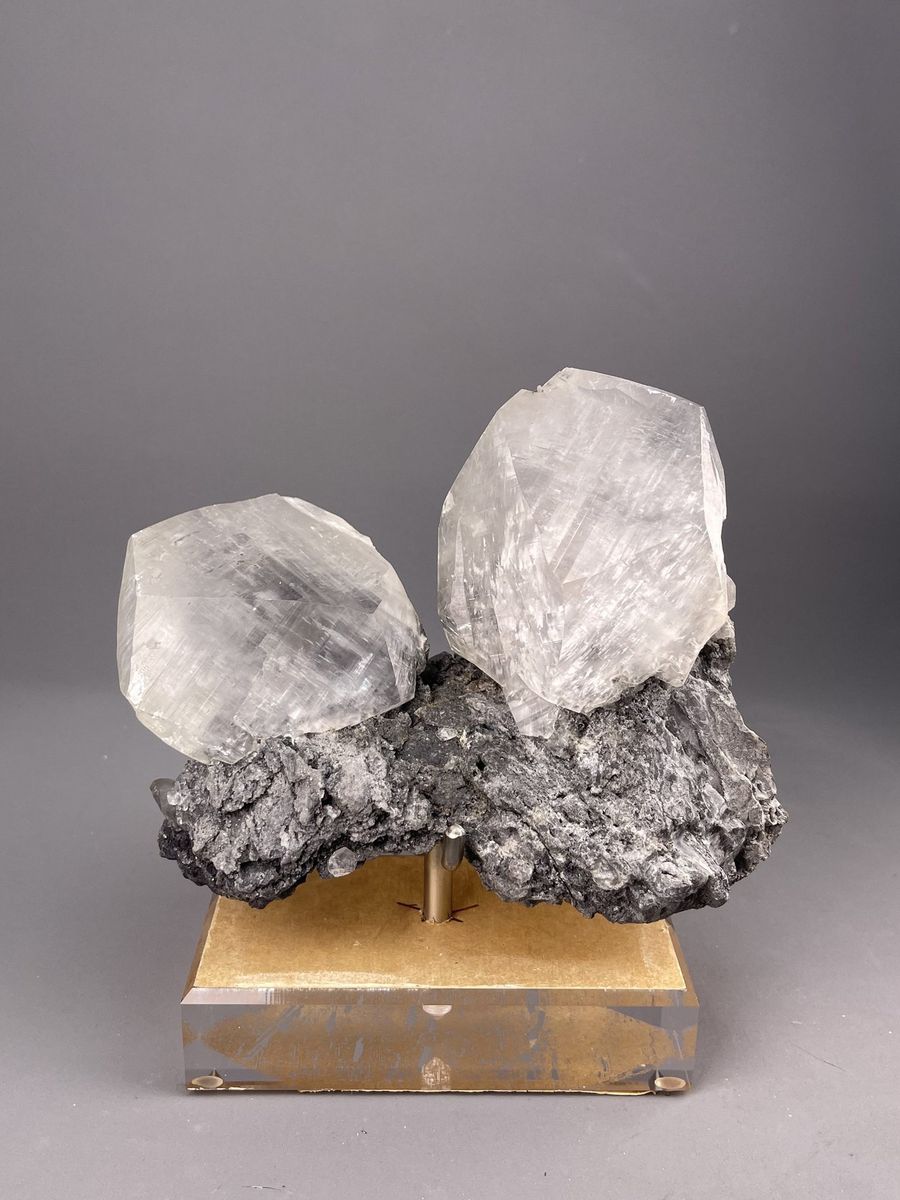
Our China-focused collecting and sourcing approach
We curate Chinese mineral specimens with attention to locality, specimen quality, and visual accuracy. Rather than carrying everything, we select pieces that we believe represent their species and localities well.
Our focus is on the classic Chinese collecting regions — Hunan, Sichuan, Hubei, and others — and the species that define them. We aim to be a useful, transparent specialist option for collectors, not to make claims about scale or exclusivity.
How locality information is reviewed
We review locality information from the sources available to us — supplier records, a specimen’s product history, its physical appearance, and our existing inventory data — and weigh them together when assigning a locality.
Where a specimen’s characteristics clearly match a well-known locality’s style, that supports the stated origin. Where the available information is broad or unclear, we describe the locality conservatively rather than overstating precision. We do not claim laboratory-level verification for every specimen unless documentation exists.
How we use product records and specimen characteristics
Each specimen carries the information we have about it — supplier and product records where available — together with what its own appearance tells us: crystal habit, color, associated minerals, and matrix all help place a specimen within a region’s known style.
These are indicators, not proof. We use them to describe a specimen as accurately as we reasonably can, and we prefer a broader, honest label over a precise-sounding one we cannot support.
How we photograph specimens
We photograph the actual specimens we sell and aim to show color, form, matrix, and condition clearly, so the image represents the piece you would receive. Our goal is a faithful representation rather than a flattering one.
Lighting and screens vary, so if a detail matters to you — exact color, a particular face, the back of a piece — we’re glad to provide more information on request.
How we handle broad or uncertain locality information
Not every specimen comes with precise, documented locality data. When the information we have is broad or uncertain, we describe it that way — using a region or district rather than implying a specific mine we cannot confirm.
We do not claim that every specimen is directly mine-sourced unless that is explicitly known, and we avoid stating an exact mine locality where the evidence only supports a broader area. Conservative, honest description is our default.
Why locality matters to collectors
For mineral collectors, locality is part of what makes a specimen meaningful — it connects the piece to a place, a geology, and often a recognizable regional style. Accurate locality information also supports a specimen’s long-term documentation and value.
That is why we take care with how we describe origin, and why we would rather be transparent about uncertainty than present a confident-sounding label that the available information doesn’t justify.
How buyers can use our mineral and locality guide pages
We connect products to mineral and locality guide pages so buyers can understand where specimens come from. Each Chinese locality has a page describing its geology and regional style, and each species has an encyclopedia entry covering its properties and habits.
Reading these alongside a product listing helps you judge whether a specimen fits its stated locality, and helps you learn the regional "styles" that make Chinese minerals rewarding to collect. The links below are good starting points.
The evidence grades we publish
Every locality statement on a product page belongs to one of four evidence grades, and the wording follows the grade rather than the other way around:
- Verified exact locality — an original label, supplier record, historical chain or a match of documented characteristics supports a specific mine. Only these specimens join precise mine collections.
- Province or district level — the evidence supports a region but not a single mine. The listing says the province and stops there; we do not upgrade a province into a famous mine name.
- China, locality not specified — minimal source records exist. The listing says exactly that.
- Conflicting or under review — the available records disagree. The specimen stays out of locality collections until the conflict is resolved.
A database occurrence — a species being reported from a mine on a reference site — is context, never proof that an individual specimen came from there. When the grade changes because new evidence appears, the listing changes with it.
When to contact us for more details
If you would like more information about a specific specimen — its locality, condition, treatment status as reflected in our records, additional photos, or measurements — please get in touch before buying. We’re happy to share what we know, and to be clear about anything we don’t.
We’d rather answer a question up front than have a specimen be anything other than what you expected.
Read the related guides
- How to Buy Chinese Mineral SpecimensThe general framework for judging any specimen.
- Natural vs Treated Chinese MineralsHow we — and you — should think about treatment.
- Labeling & CataloguingKeep locality evidence attached to the specimen and its catalog record.
- About MyMineralBoxOur curation, provenance, and sourcing approach.
Explore the key localities
Each page describes the locality’s geology and regional style.
Learn the key species
Sources & evidence limits
These references support the specific points described below. A trade name, colour, photograph, price, or seller statement alone cannot prove treatment status or origin.
Frequently asked questions
How does MyMineralBox determine a specimen’s locality?
We review the information available to us — supplier records, the specimen’s product history, its physical appearance, and our existing inventory data — and weigh them together. Where a specimen’s characteristics match a well-known locality’s style, that supports the stated origin; where the information is broad or unclear, we describe the locality conservatively rather than overstating precision.
Do you laboratory-test every specimen?
No. We do not claim laboratory-level verification for every specimen unless documentation exists. Our locality descriptions are based on supplier records, product history, specimen characteristics, and inventory data, used honestly and conservatively.
Is every specimen sourced directly from the mine?
We do not claim that every specimen is directly mine-sourced unless that is explicitly known. We describe origin based on the records and characteristics available, and prefer a broader, accurate label over a precise-sounding one we cannot support.
What if I want more detail about a specific specimen?
Please contact us before buying. We’re glad to share additional information about a specimen’s locality, condition, treatment status as reflected in our records, photos, or measurements — and to be clear about anything we don’t know.
What do the four locality evidence grades mean?
Verified exact locality (evidence supports a specific mine), province or district level (evidence supports a region only), China with locality not specified (minimal records), and conflicting or under review (records disagree). A specimen only joins a precise mine collection at the first grade, and the listing wording always follows the grade.
What documents can prove a Chinese mineral locality?
No single document automatically proves a Chinese mineral locality. Strong evidence combines original or historic specimen labels with supplier or dealer records, invoices, acquisition history, collection catalog entries, and pocket or field notes when they exist. Laboratory reports can identify a mineral but usually not its mine; appearance and database occurrences are context, not proof for an individual specimen.