
Chinese Calcite for Sale — 8
Curated by Maggie Liu · 484 specimens available
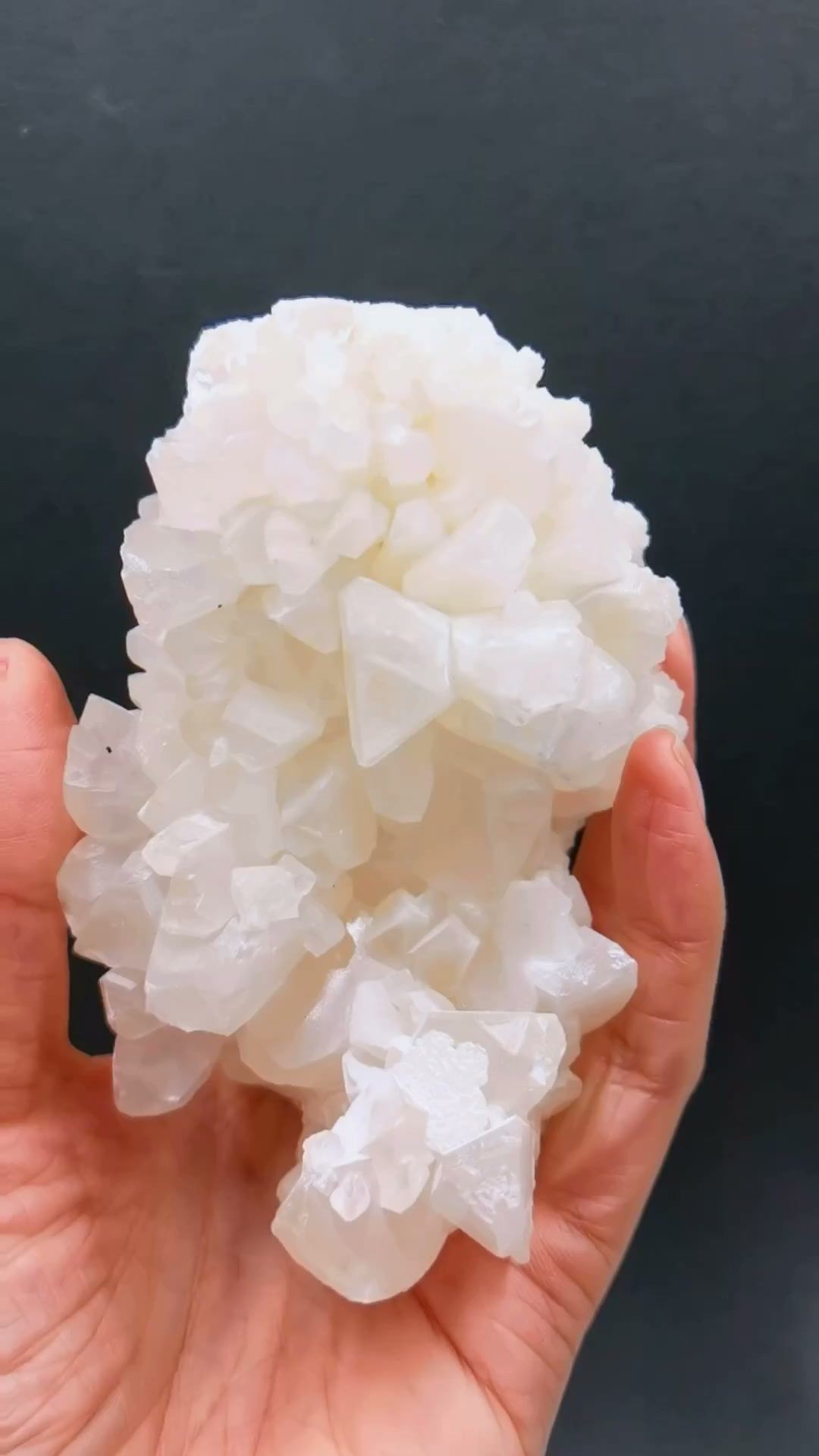
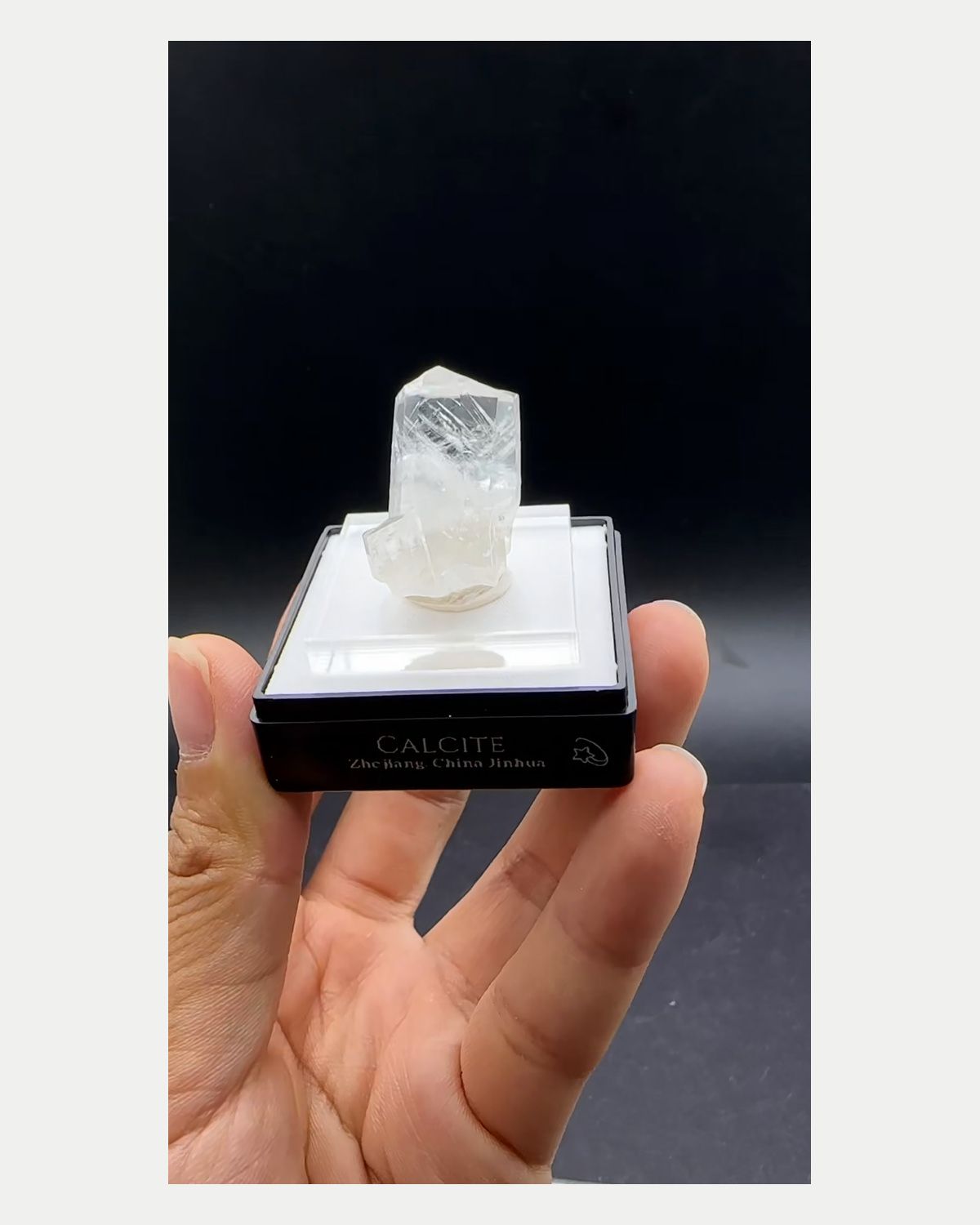
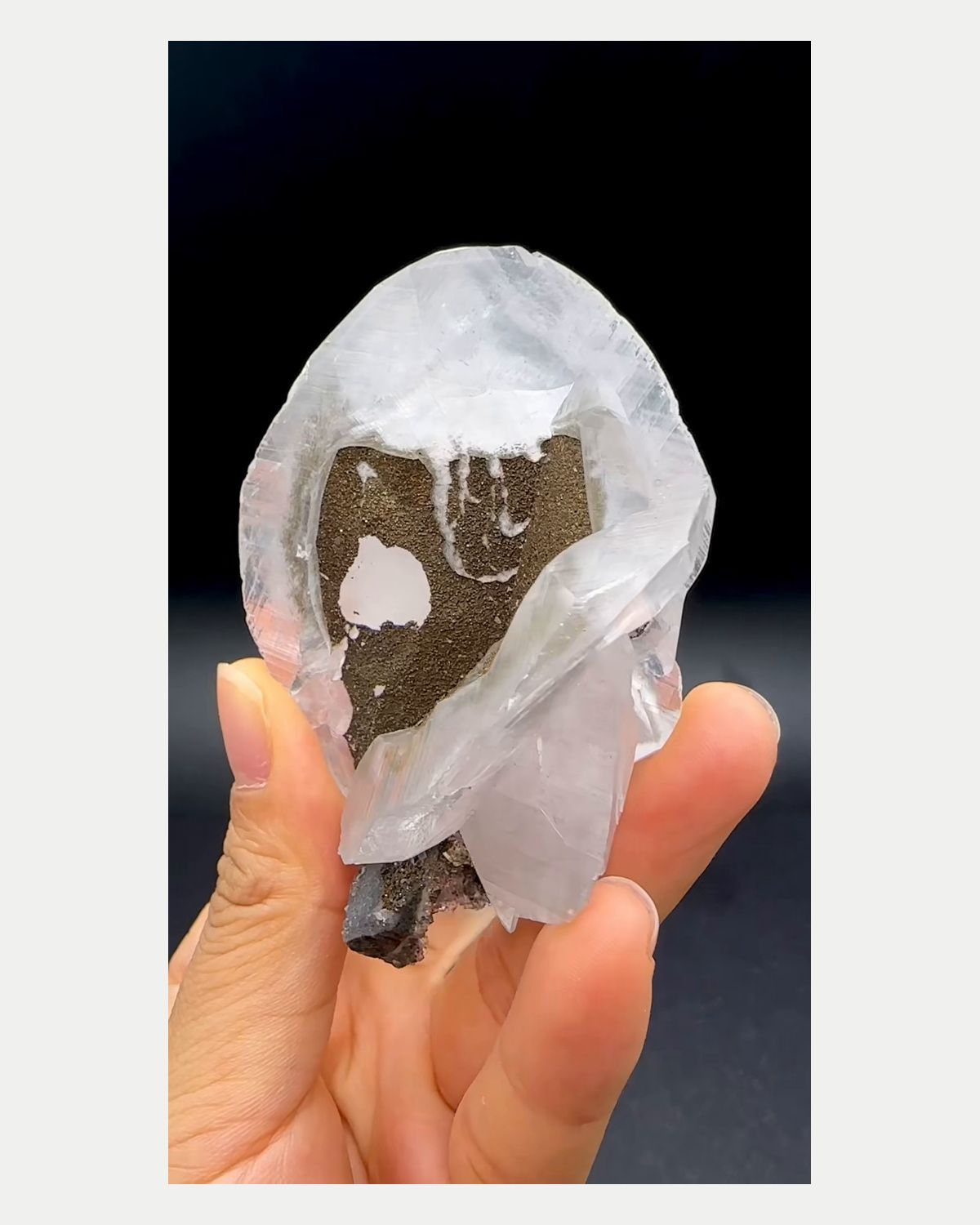
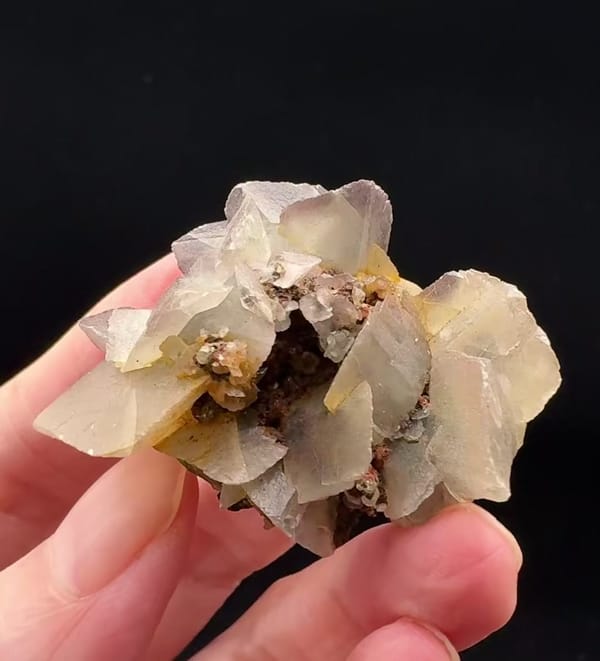
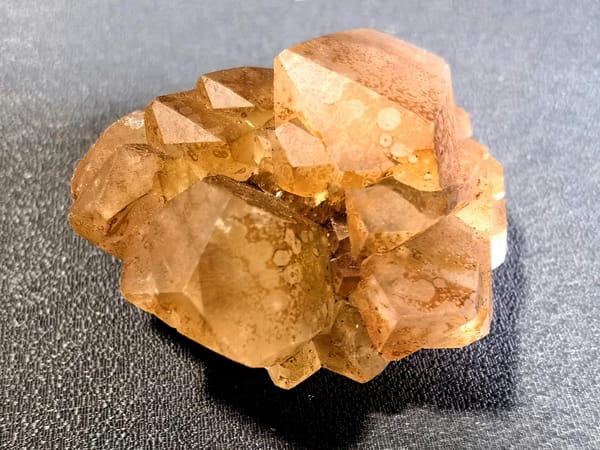
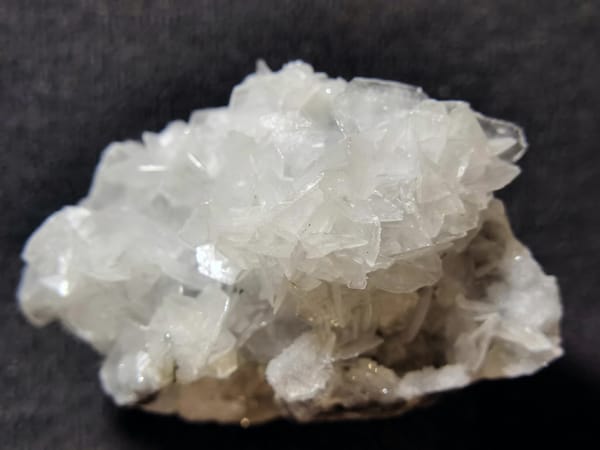
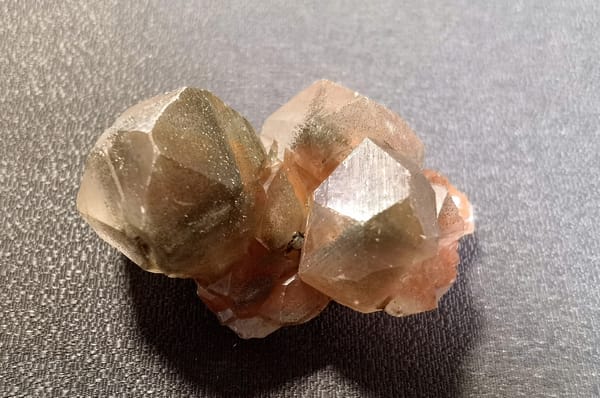
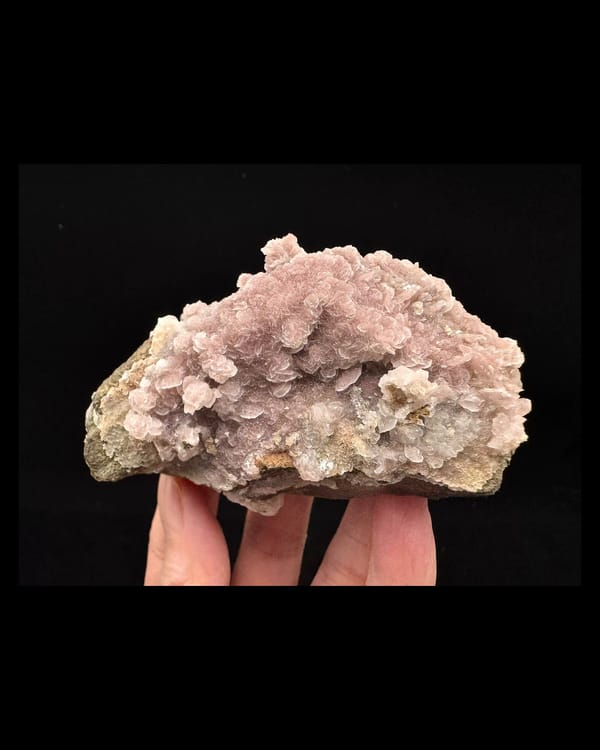
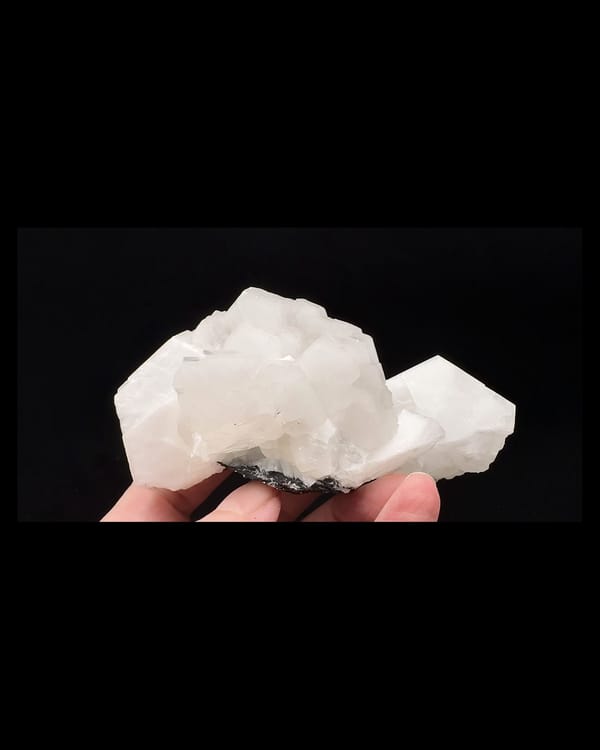
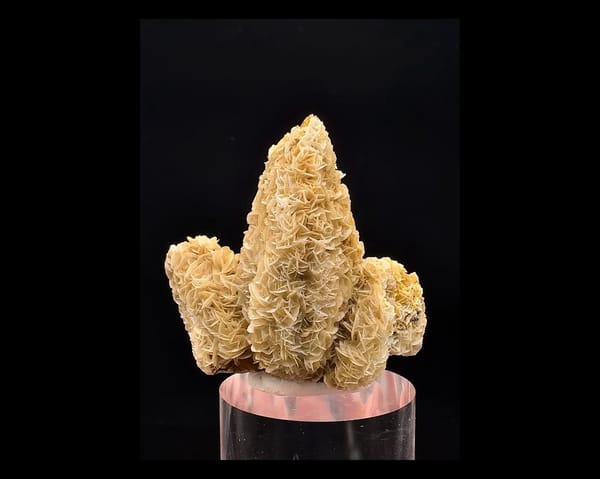
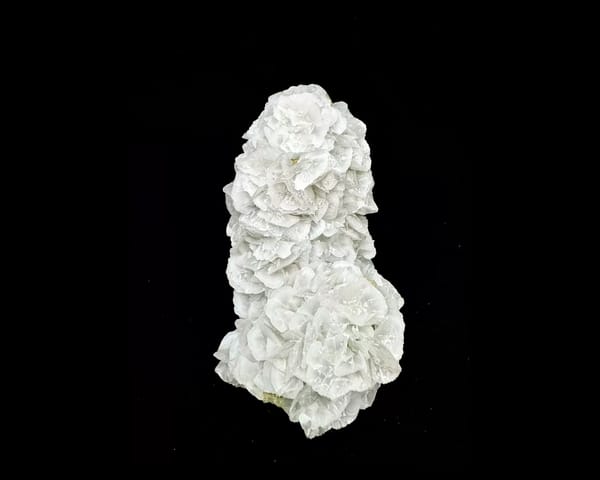
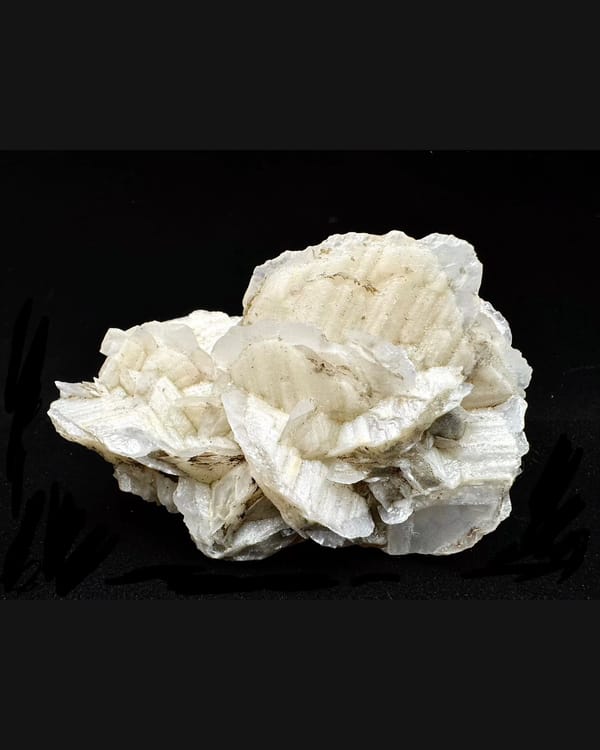
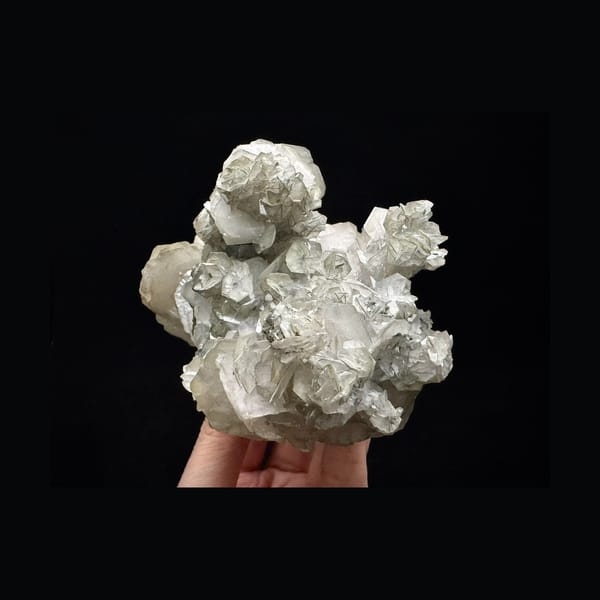
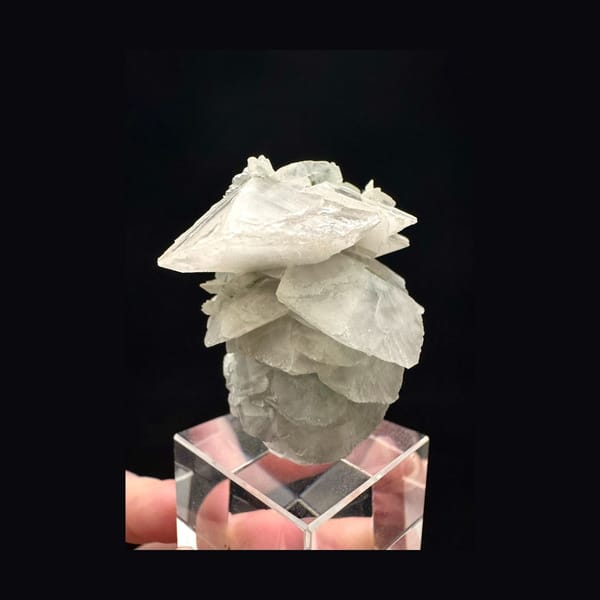
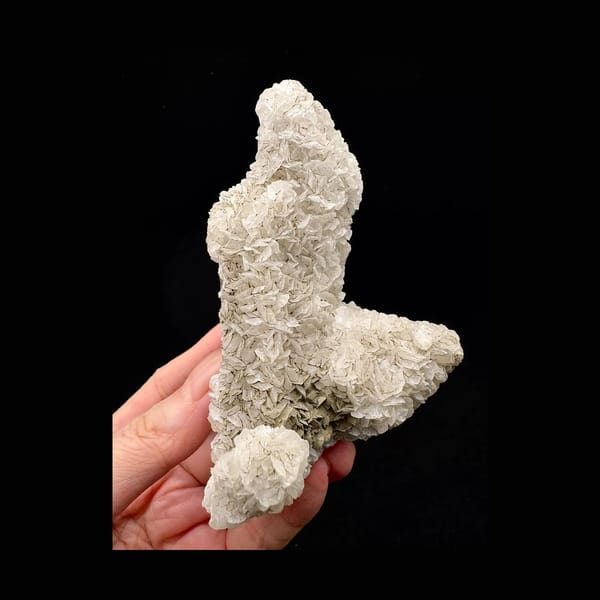
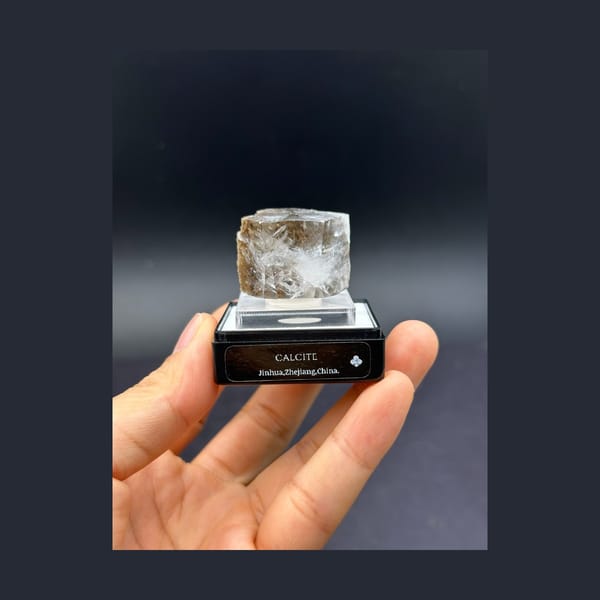
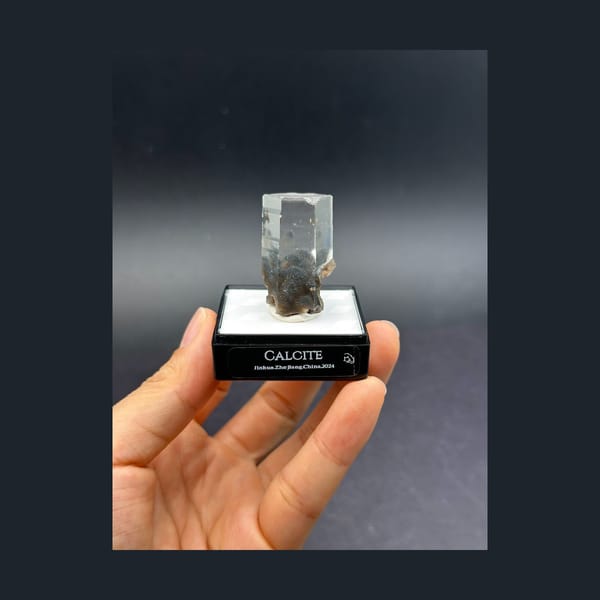
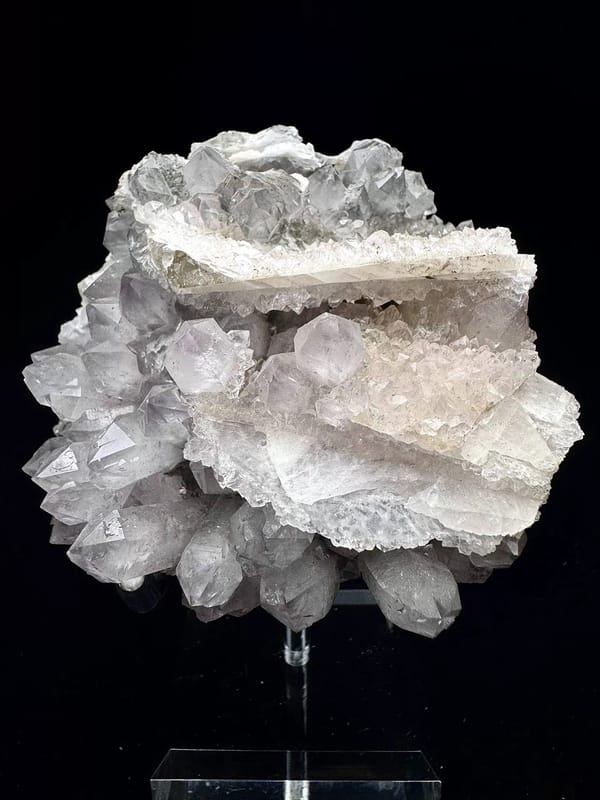
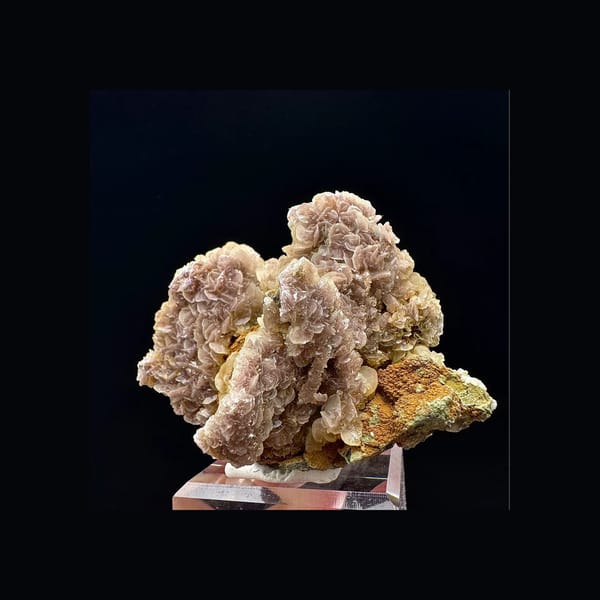
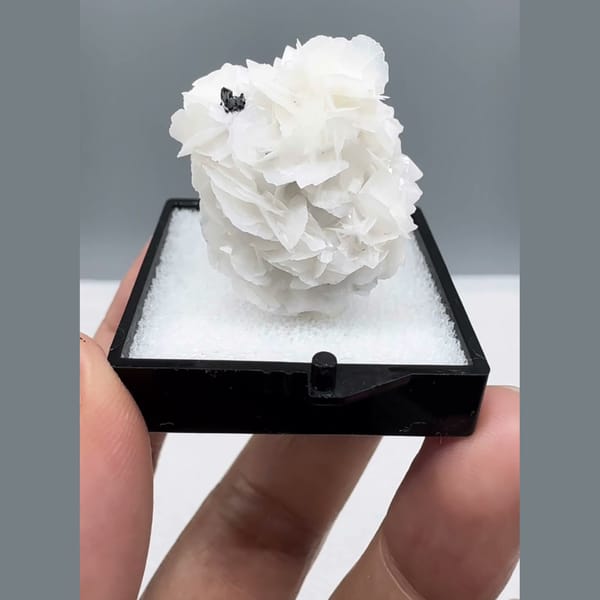
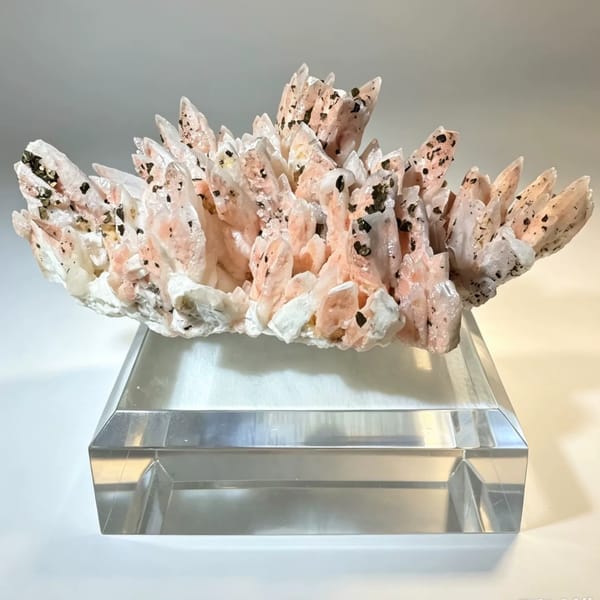
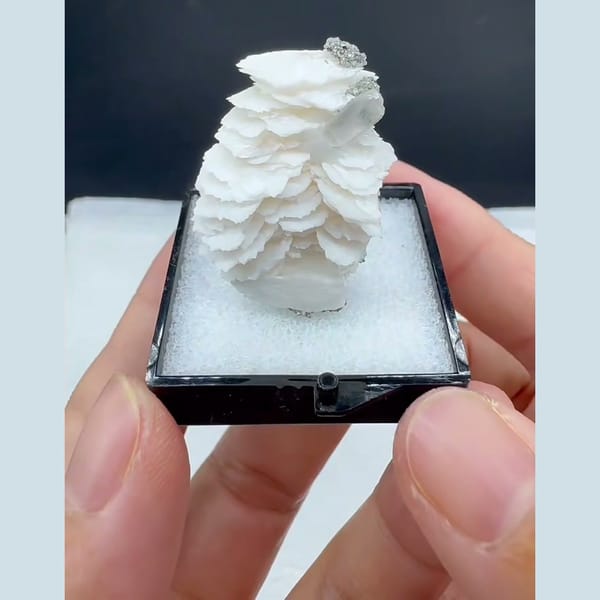
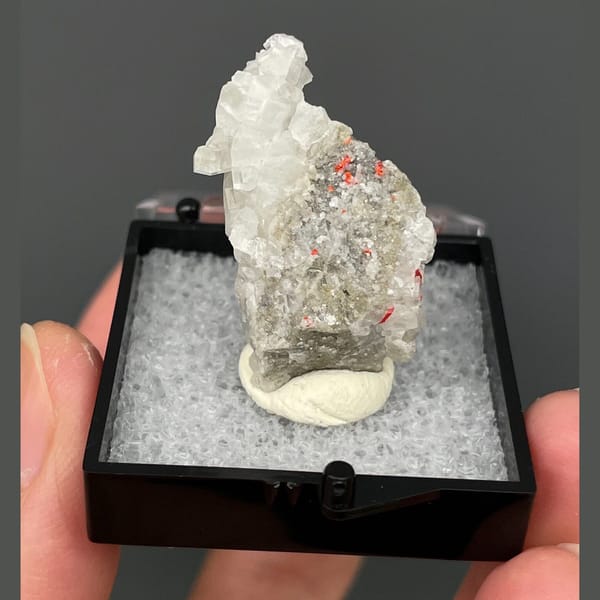
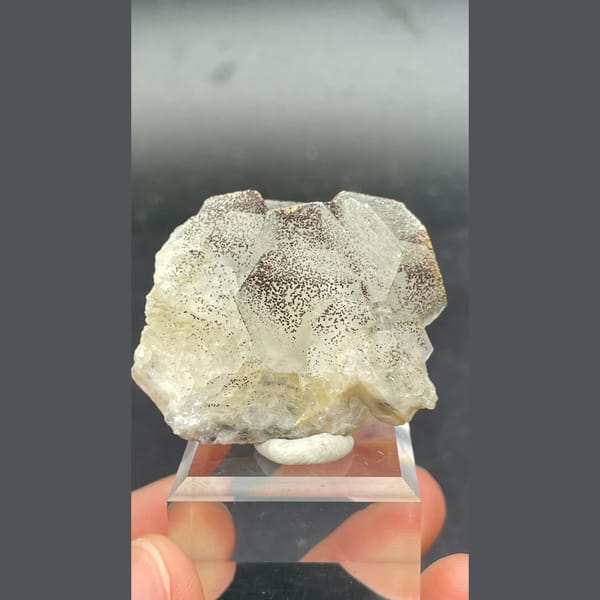
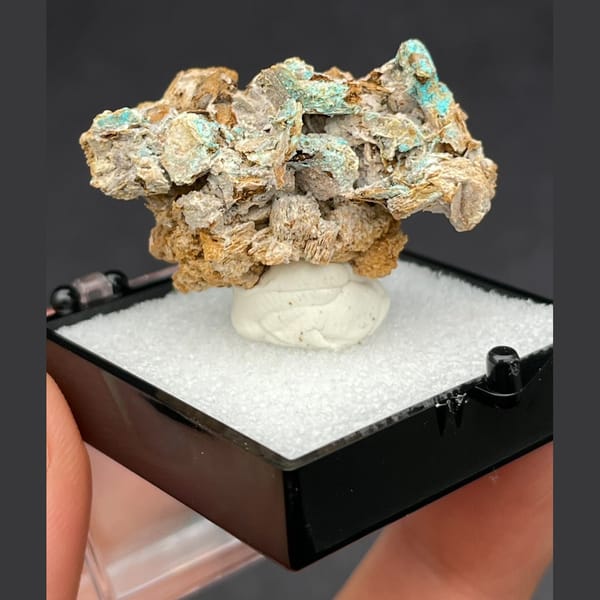
Calcite is the most habit-rich common mineral, and Chinese localities show that range better than almost anywhere: the Daye skarn deposits of Hubei produce sharp golden-yellow and colorless scalenohedra and “dogtooth” crystals; Fujian and Longyan give cream, brassy and white calcite in stacked plates and rhombs, often with pyrite or pyrolusite; Hunan and Guizhou pockets carry twinned and phantom-bearing crystals; and Inner Mongolia adds green, layered calcite from the Huanggang district.
View specimens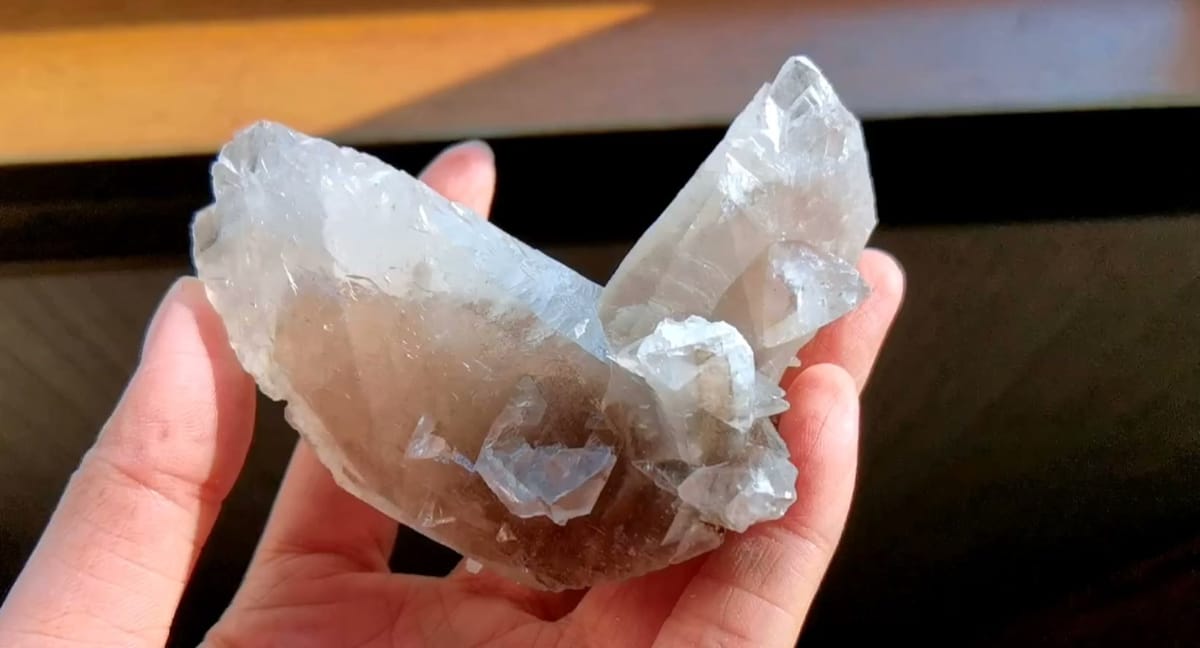
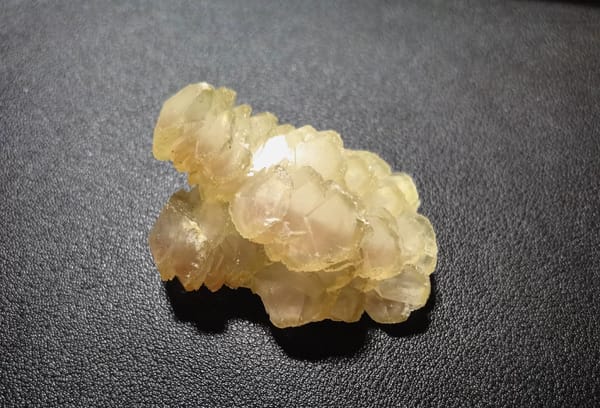
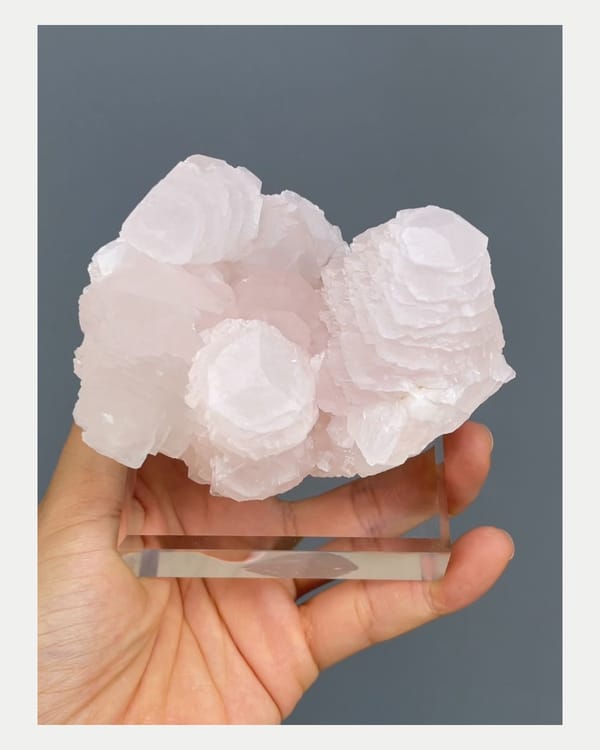
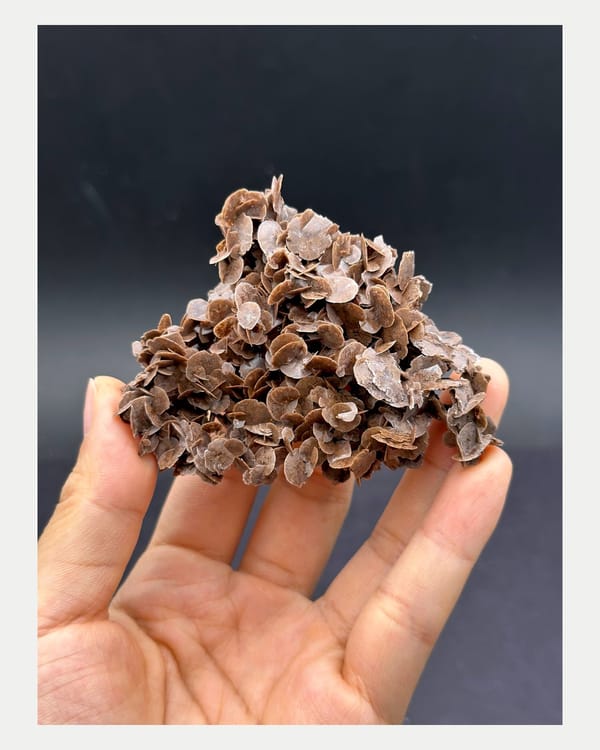
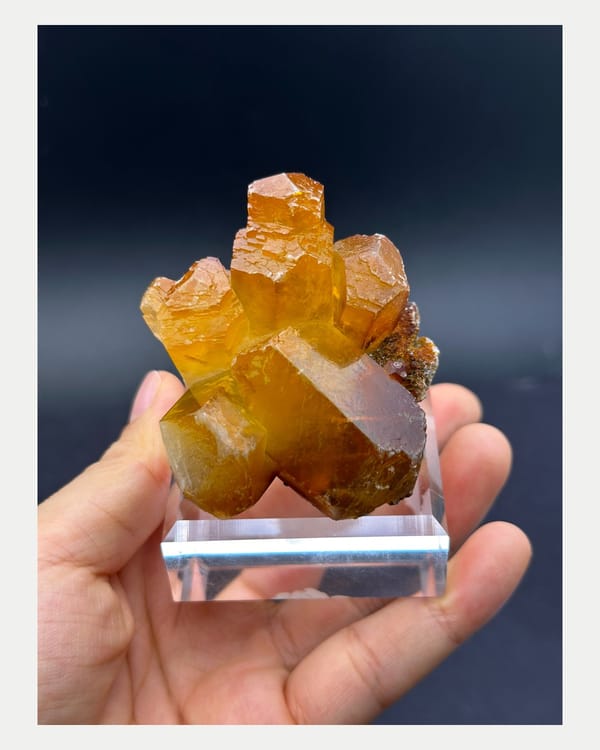
Recently sold — for reference
Frequently asked
What is Daye calcite?
Calcite from the Daye copper-iron skarn deposits near Huangshi, Hubei Province — best known for sharp golden to colorless scalenohedral crystals, sometimes on matrix with chalcopyrite or quartz. It is the most recognized Chinese calcite locality among collectors.
Why do calcite specimens from China look so different from each other?
Calcite crystallizes in hundreds of documented habits depending on temperature, fluid chemistry and growth space. Skarn deposits like Daye favor scalenohedra, while lower-temperature Fujian and Guizhou pockets favor rhombs, plates and twins. The locality and habit are recorded on each listing.
How should I care for a calcite specimen?
Calcite is soft (Mohs 3), cleaves easily and reacts with acids, so keep it away from vinegar-based cleaners, avoid knocks, and dust it with a soft brush. Display away from direct sunlight to preserve any color.