Pseudomorph Relationships
Replaces — this mineral is often a pseudomorph after:
← Pyrite replacement
Pyrite weathers to limonite (FeO(OH)) in oxidizing conditions while retaining cubic habit. Very common.
Worldwide; Navajún cubes weather this way.
← Siderite replacement
Siderite oxidizes to limonite/goethite retaining rhombohedral habit.
Worldwide.
← Marcasite replacement
Marcasite oxidizes faster than pyrite due to crystal structure — friable limonite results.
Worldwide; storage problem for collectors.
A pseudomorph (Greek "false form") is a mineral with the external shape of another species — the chemistry has changed but the crystal habit is inherited.
Luster
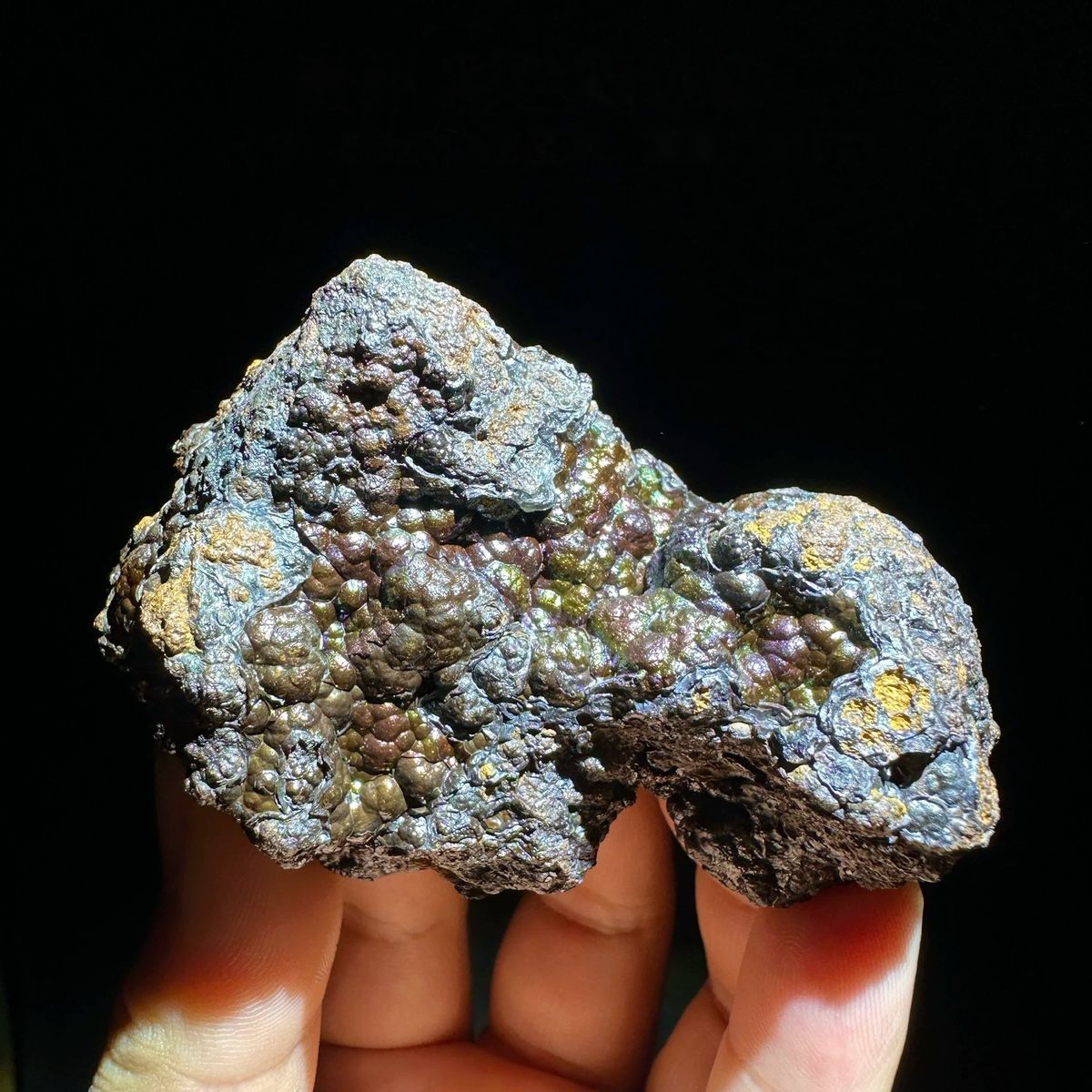
earthy→sub-metallic
Mostly earthy; botryoidal goethite component can shine.
Diaphaneity (Transparency)
opaque
Earthy iron oxyhydroxide.
Streak Test
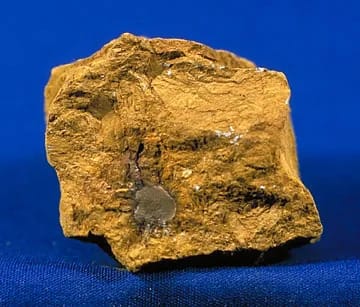
yellow-brown
Generic name for hydrated iron oxides; "rust" streak.
Streak = color of the powdered mineral. Drag specimen across unglazed white porcelain plate (Mohs 6.5). For minerals harder than the plate, crush a small flake into powder and observe color.
Mohs 4–5.5
Vickers (~) 540 HV
Knoop (~) 620 HK
Geological setting
Oxidation zone
Element composition by mass
Formula: FeO(OH)·nH₂O (mixture) · molar mass: 106.87 g/mol
| Fe | 52.26% | |
| O | 44.91% | |
| H | 2.83% |
Computed from atomic weights (IUPAC 2021). Site-occupancy groups (Fe,Mn) split equally.
Mohs Hardness
4–5.5
Limonite sits at 4–5.5 on the Mohs scale — can be scratched by a steel knife.
Colors:
Streak
Yellow-brown
Yellow-brown
Crystal system
Amorphous (mineraloid)
Amorphous (mineraloid)
Oxides & HydroxidesOxides (Hydroxides)
TL;DR · 1 min read
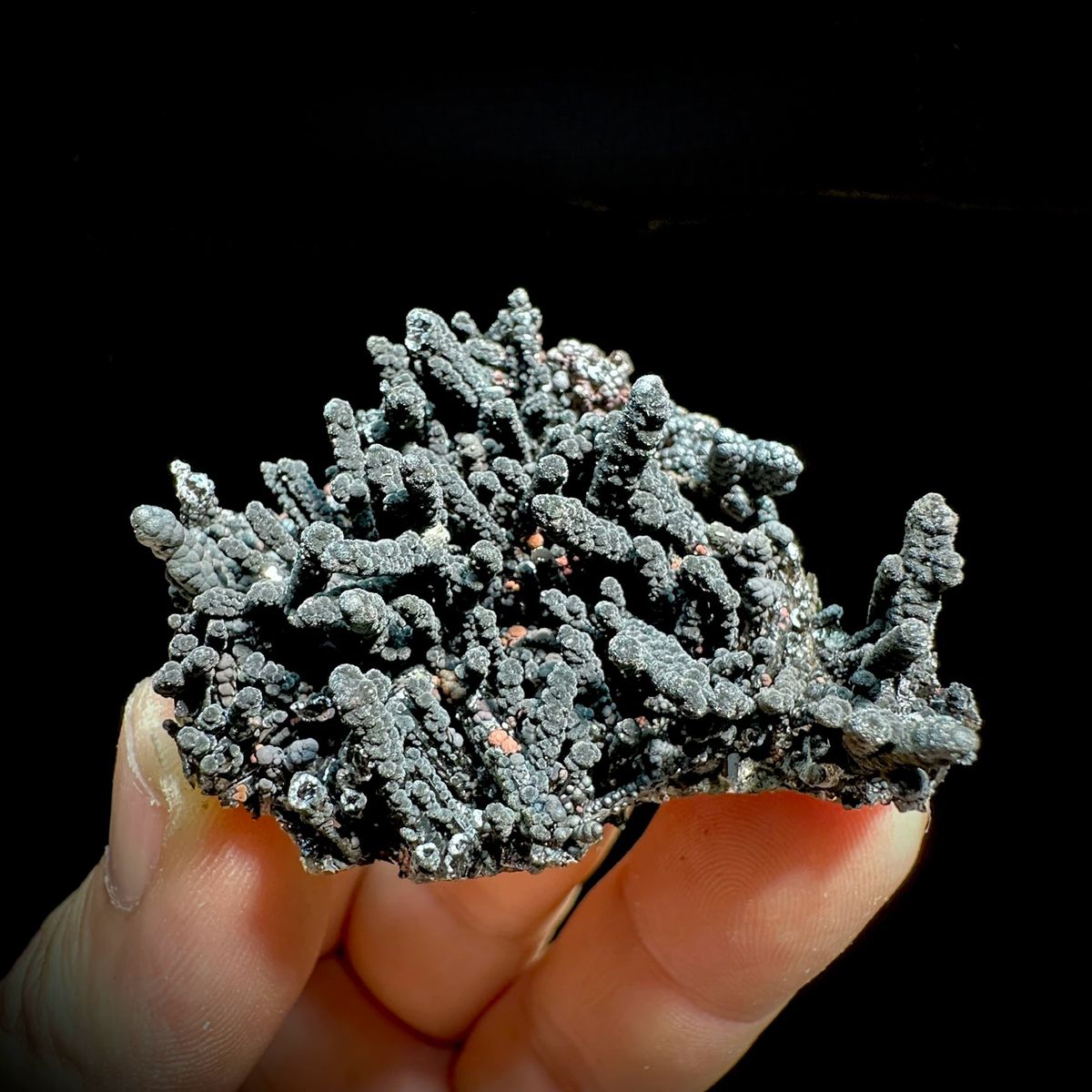
Limonite is not a single mineral species but a field-name for amorphous to cryptocrystalline iron hydroxide aggregates — primarily goethite and lepidocrocite mixtures with adsorbed water. It forms massive earthy yellow-brown to dark brown deposits in lateritic weathering profiles, bog iron deposits, and the gossan caps of Fe-bearing sulfide deposits.
Limonite is not a single mineral species but a field-name for amorphous to cryptocrystalline iron hydroxide aggregates — primarily goethite and lepidocrocite mixtures with adsorbed water. It forms massive earthy yellow-brown to dark brown deposits in lateritic weathering profiles, bog iron deposits, and the gossan caps of Fe-bearing sulfide deposits.
More minerals to explore
Export:BibTeXRIS
✉ Email this pageWas this helpful?
👍 Yes👎 NoThanks for the feedback!