
Quartz
Curated by Maggie Liu · Updated:
Quartz is a silicate mineral prized by collectors for its exceptional color range, with several world-class Chinese localities.
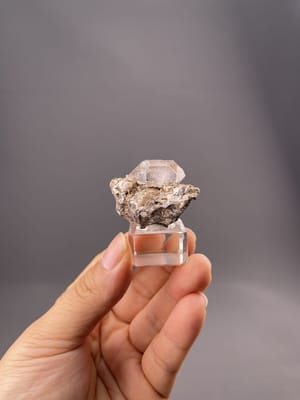
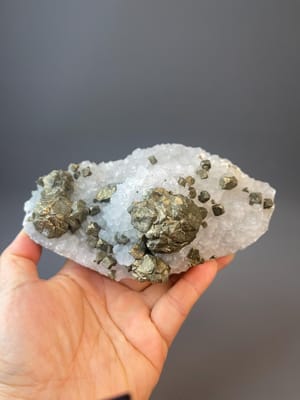
About Quartzextended article
Quartz is the most abundant mineral exposed at Earth's surface — and despite its commonness, it produces some of the finest collector specimens in mineralogy. From Himalayan ice-clear crystals to the deep purple amethysts of Vera Cruz, quartz is the species every collector returns to.
Notable varieties
- Amethyst (purple, Fe-bearing)
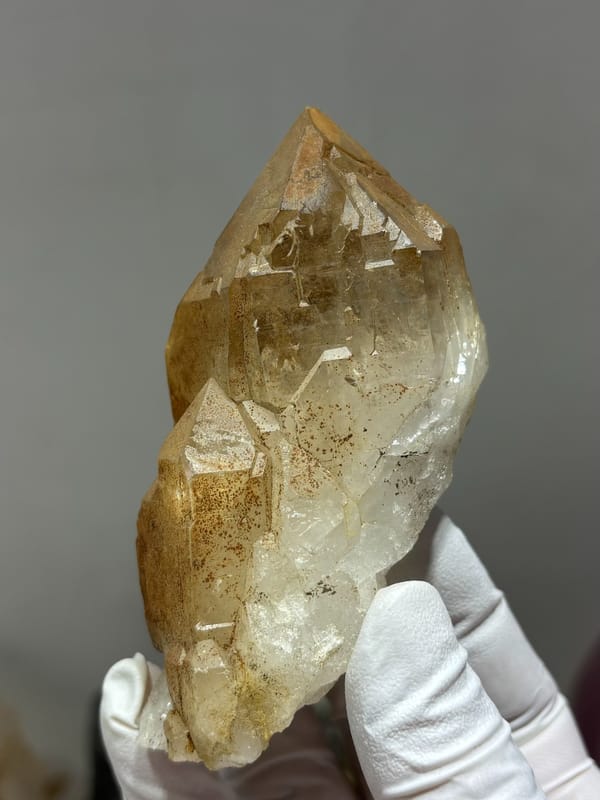
- Citrine (yellow, heat- or radiation-induced)
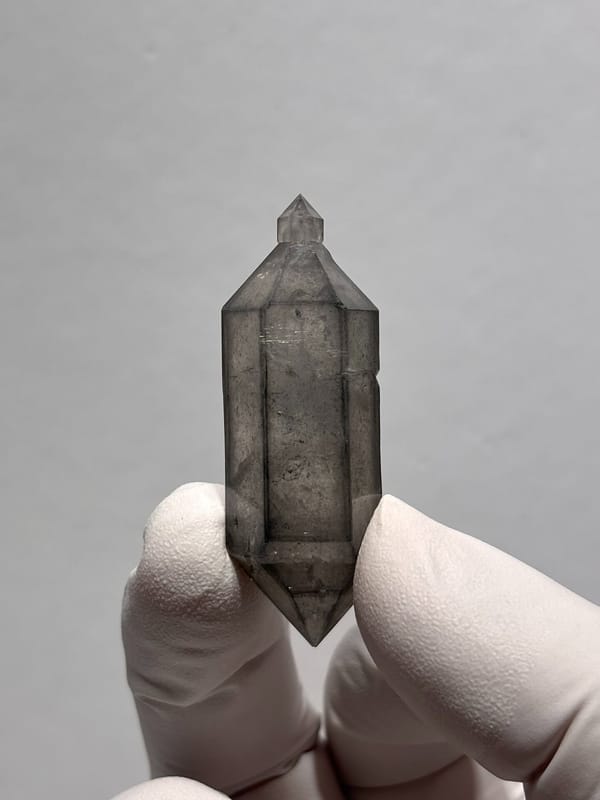
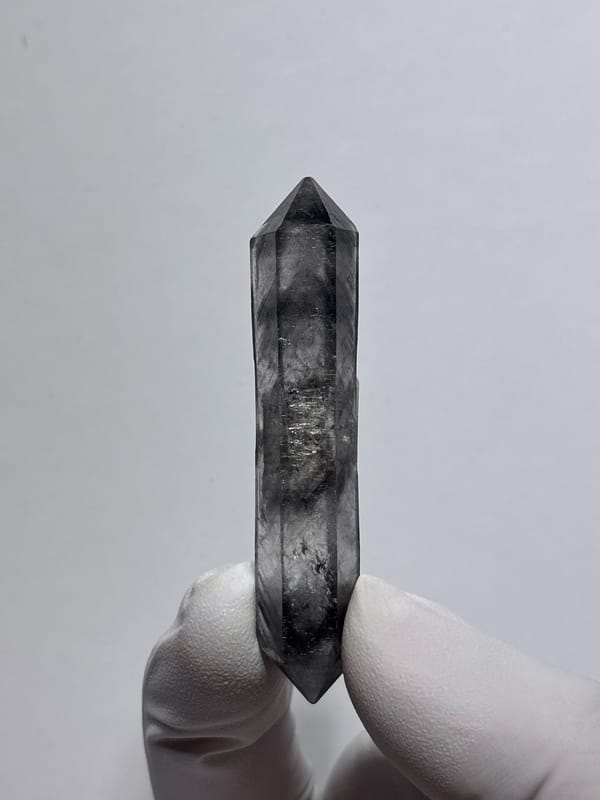
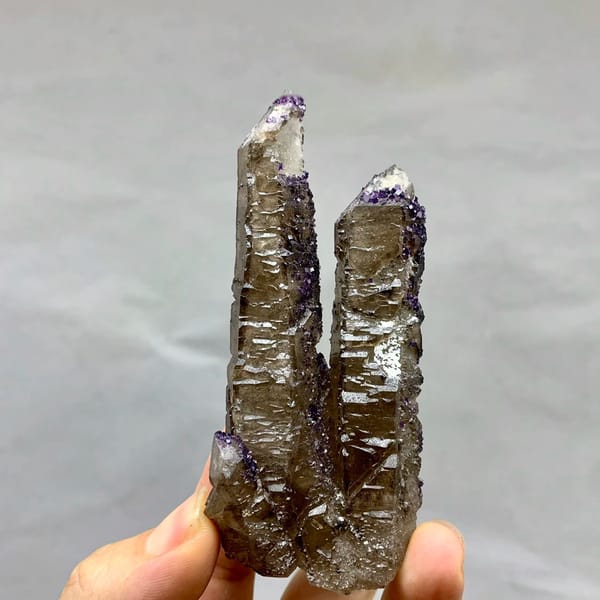
- Smoky Quartz (brown to black, radiation damage)
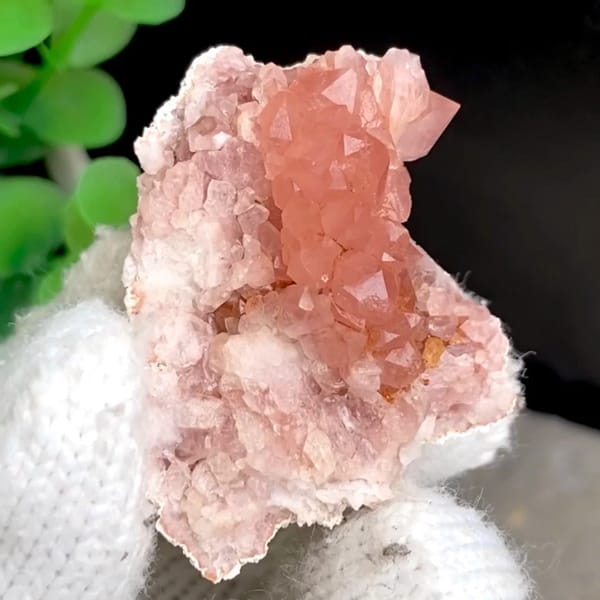
- Rose Quartz (pink, Ti/Fe inclusions)
- Rock Crystal (colorless)
- Morion (opaque black)
The Chinese angle
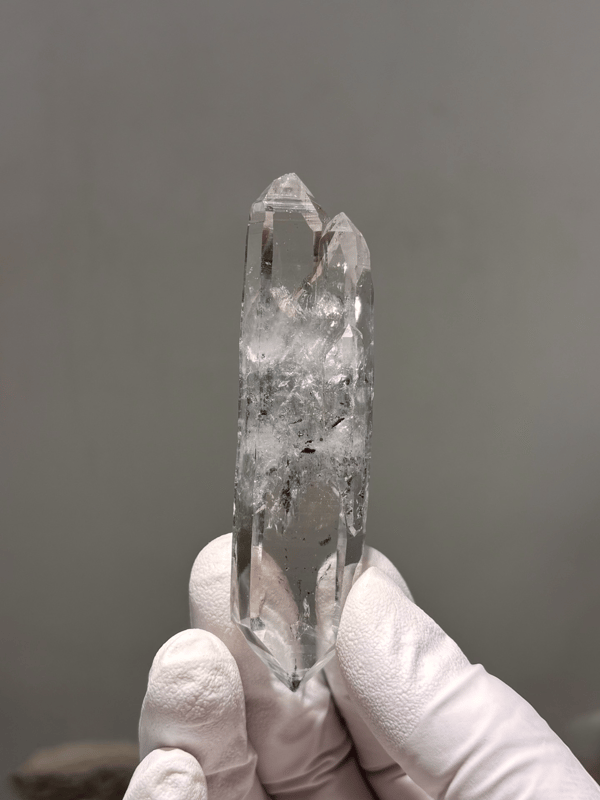
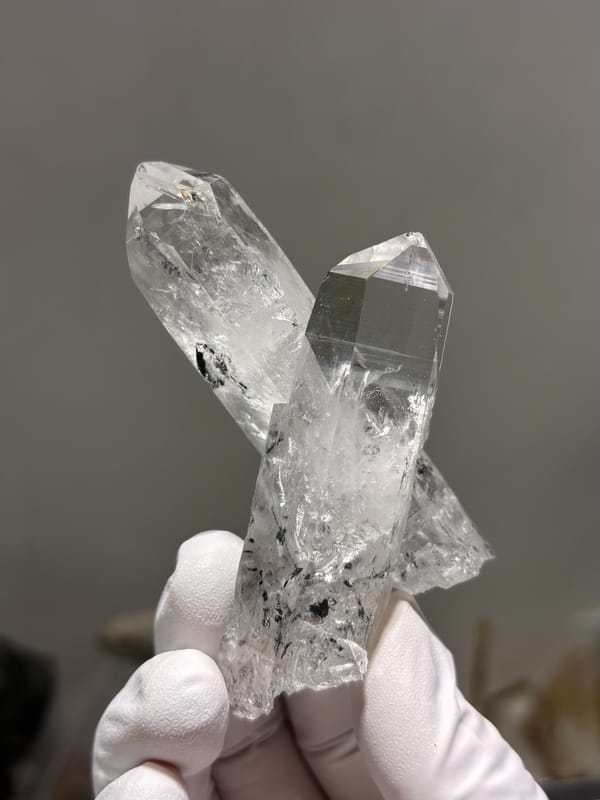
Tibetan and Sichuan high-altitude pegmatites produce extraordinarily clear quartz crystals with fine terminations and minimal inclusions. The Yaogangxian district yields milky quartz matrix material for fluorite specimens, while Hunan produces noted fenster (window) quartz.
Varieties of quartz
Quartz is a parent species — the following named varieties differ in color or chemistry but share the same fundamental mineralogy.
- Smoky Quartz (烟晶)smoky brown to blackBrown-to-black quartz colored by natural radiation effects on aluminum impurities.
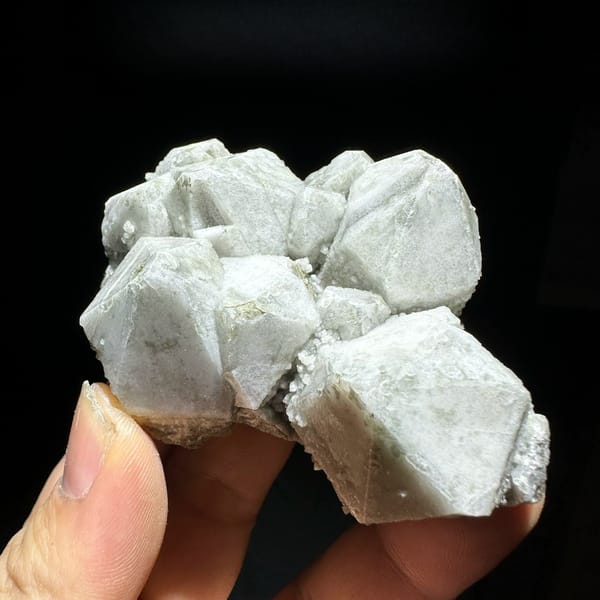
- Milky Quartz (乳石英)opaque whiteMicroscopically-fluid-included white quartz variety.
- Prasiolite (绿水晶)pale leek-greenHeat-treated pale-green amethyst, sold as gem variety.
- Ametrine (紫黄晶)purple-yellow zonedNaturally-zoned quartz with both amethyst and citrine zones in one crystal.
- Aventurine (东陵石)green with mica shimmerQuartzite with fuchsite/hematite mica inclusions producing aventurescence.
- Tiger's Eye (虎眼石)golden-brown chatoyantQuartz pseudomorph after crocidolite asbestos with golden chatoyancy.
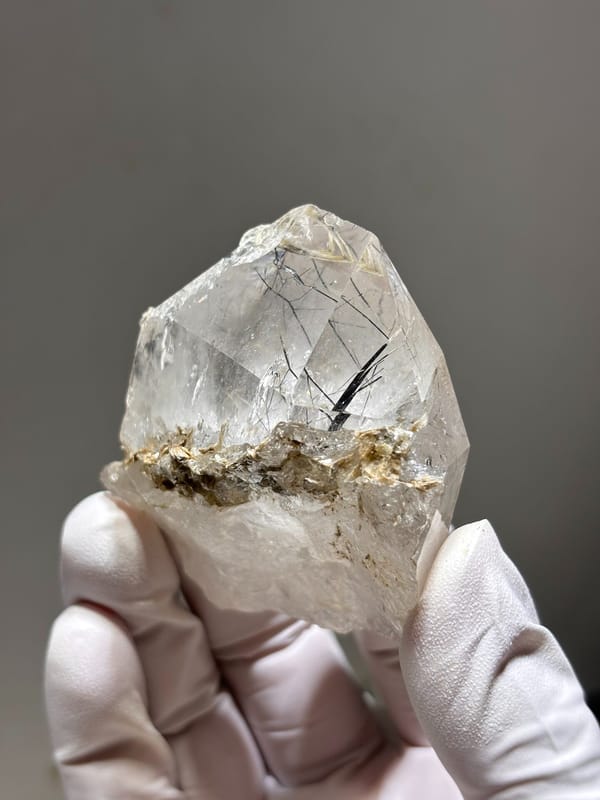
- Rutilated Quartz (金红石发晶)clear with golden needlesClear quartz containing golden rutile needle inclusions.
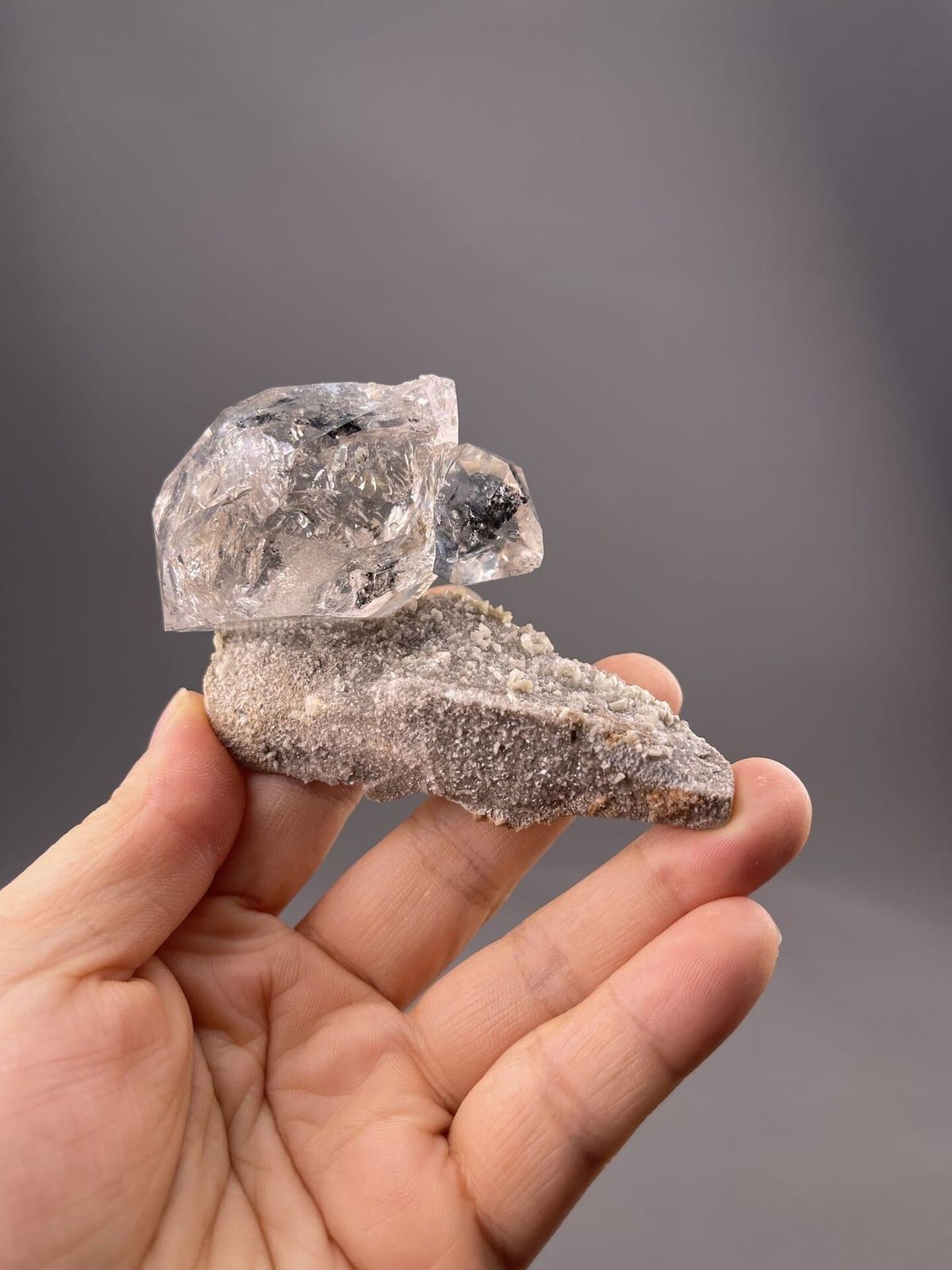
- Herkimer Diamond (赫基蒙水晶)water-clear doubly-terminatedDoubly-terminated quartz crystals from Herkimer County NY, water-clear.
About Quartz
Quartz is a silicate mineral in the silica group and has the chemical formula SiO₂. It crystallizes in the trigonal system and is one of the most visually varied minerals in the collector market. Its combination of structural character and global distribution make it a recognized species in both systematic and aesthetic collections.
Identification & care
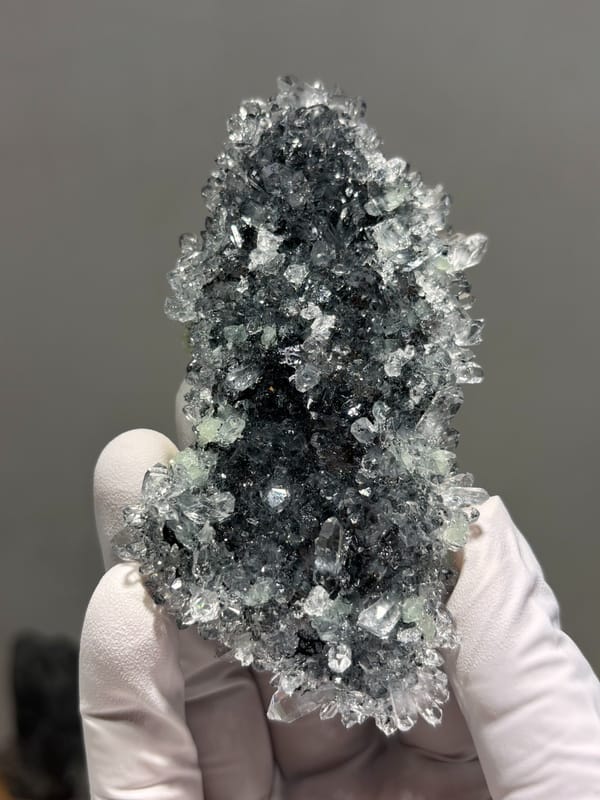
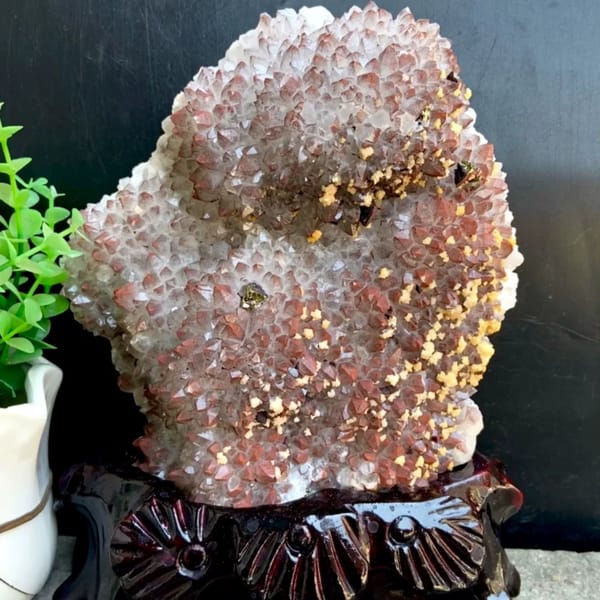
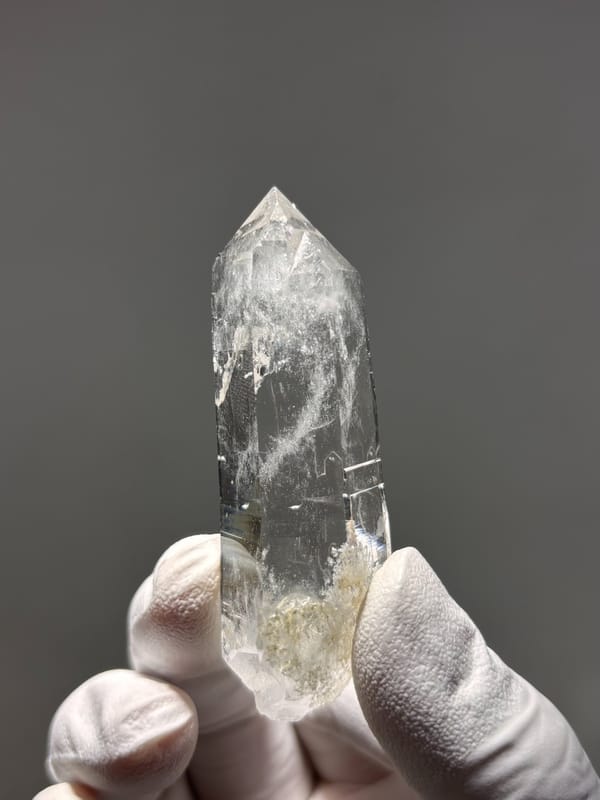
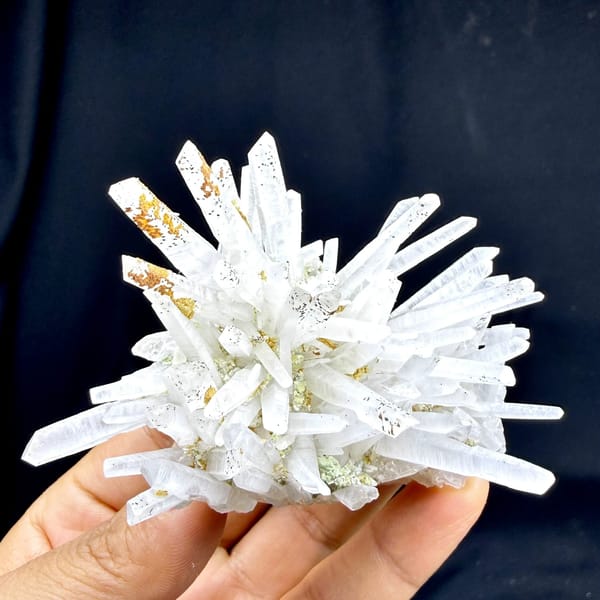
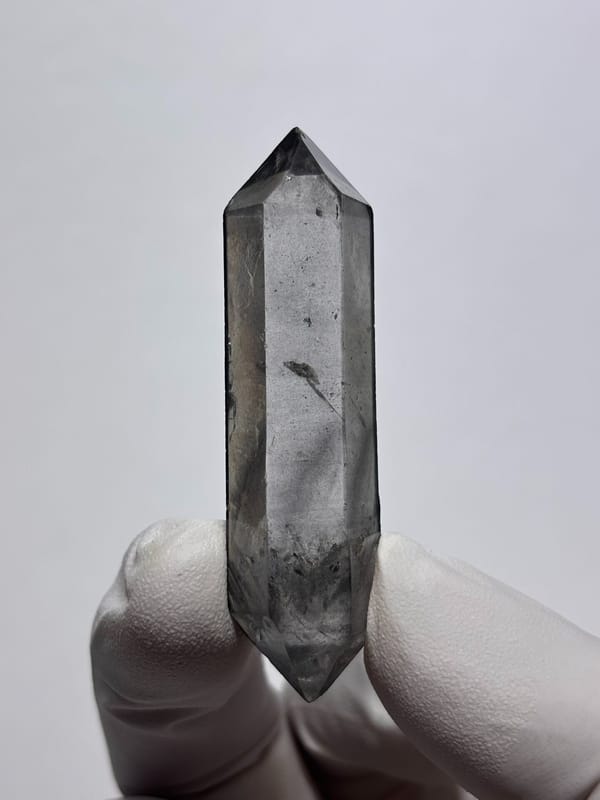
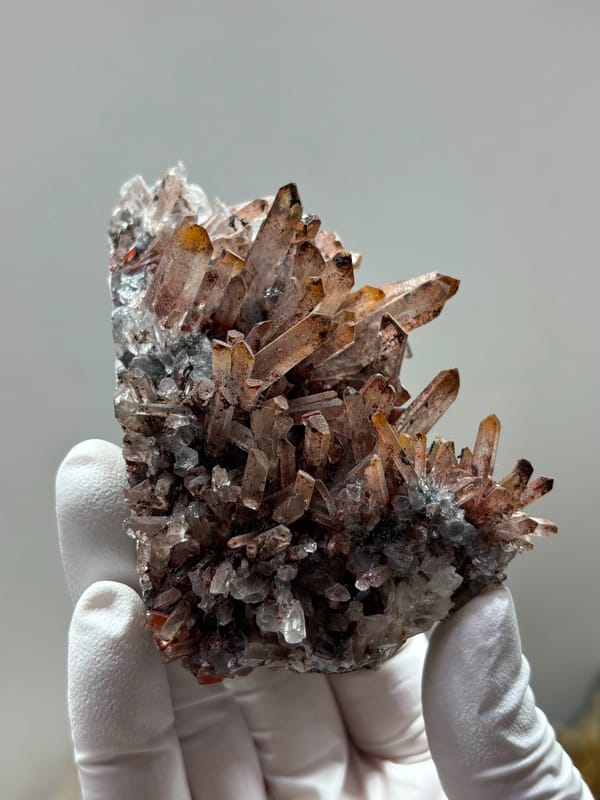
Specimens usually show prismatic, pyramidal, massive, drusy, geodes. Its color range is broad, including colorless, purple (amethyst), rose/pink, red, black (morion), yellow (citrine), brown (smoky), green, blue, and orange. The luster is vitreous, the streak is white, and specimens range from transparent to opaque. The cleavage is none / indistinct. The fracture is conchoidal, which aids identification.
Collector context
How it forms
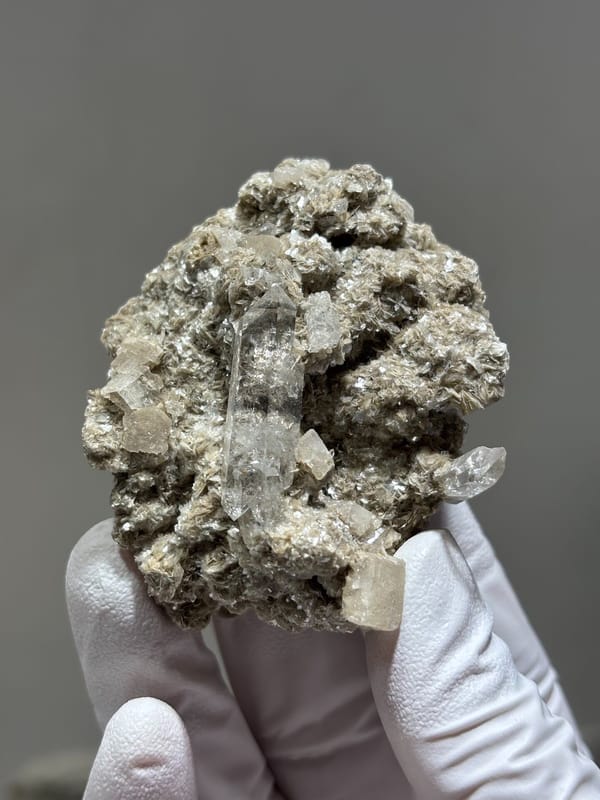
The geological setting for Quartz is typically igneous, metamorphic, and sedimentary rocks; hydrothermal veins. It is commonly found in association with feldspar, mica, tourmaline, calcite.
Classic Chinese localities
Documented Chinese occurrences are recorded at Shangbao Mine, Jiama Cu-polymetallic deposit and Jinduicheng Mine, among others.
Why collectors care
Quartz is a frequently-sought species in serious collections because its habit is recognizable, its color often strong, and its best examples unmistakable even at a distance. Chinese material has driven much of the recent visual shift in the species — sharper crystals, deeper colors, cleaner matrix.
What affects value
Value in Quartz is assessed, in typical order of weight, against: (1) locality provenance; (2) size relative to the species norm; (3) crystal form and termination sharpness; (4) color saturation and zoning; (5) transparency and internal clarity; (6) matrix quality and aesthetic balance; (7) condition (absence of damage, chips, or repair). Cleaning quality and verified locality documentation act as multipliers across the above.
Naming history
The name quartz reaches English through German Quarz, recorded in the Saxon mining districts by the 14th century. Its deeper origin is genuinely uncertain — most philologists trace it to a West Slavic root related to the Czech tvrdý, "hard," which would make it a miners' word for the stubborn material that resisted their tools. Pliny knew clear quartz as krystallos, Greek for ice, believing it to be water frozen so hard it could never thaw; that belief is why we call any crystal a crystal.
Frequently asked questions
What is Quartz?
Quartz has the chemical formula SiO₂, crystallises in the Trigonal system, has a Mohs hardness of 7. Quartz is a silicate mineral prized by collectors for its exceptional color range, with several world-class Chinese localities.
What is the chemical formula of Quartz?
The chemical formula of Quartz is SiO₂.
What crystal system does Quartz belong to?
Quartz crystallises in the Trigonal crystal system.
Where is Quartz found?
Notable localities for Quartz include Donghai Crystal Mining District, Yaogangxian Mine, Sichuan Province, Dalnegorsk, Sweet Home Mine.
Is Quartz rare?
As a collector mineral, Quartz is generally considered common.
Related minerals
Available Quartz specimens
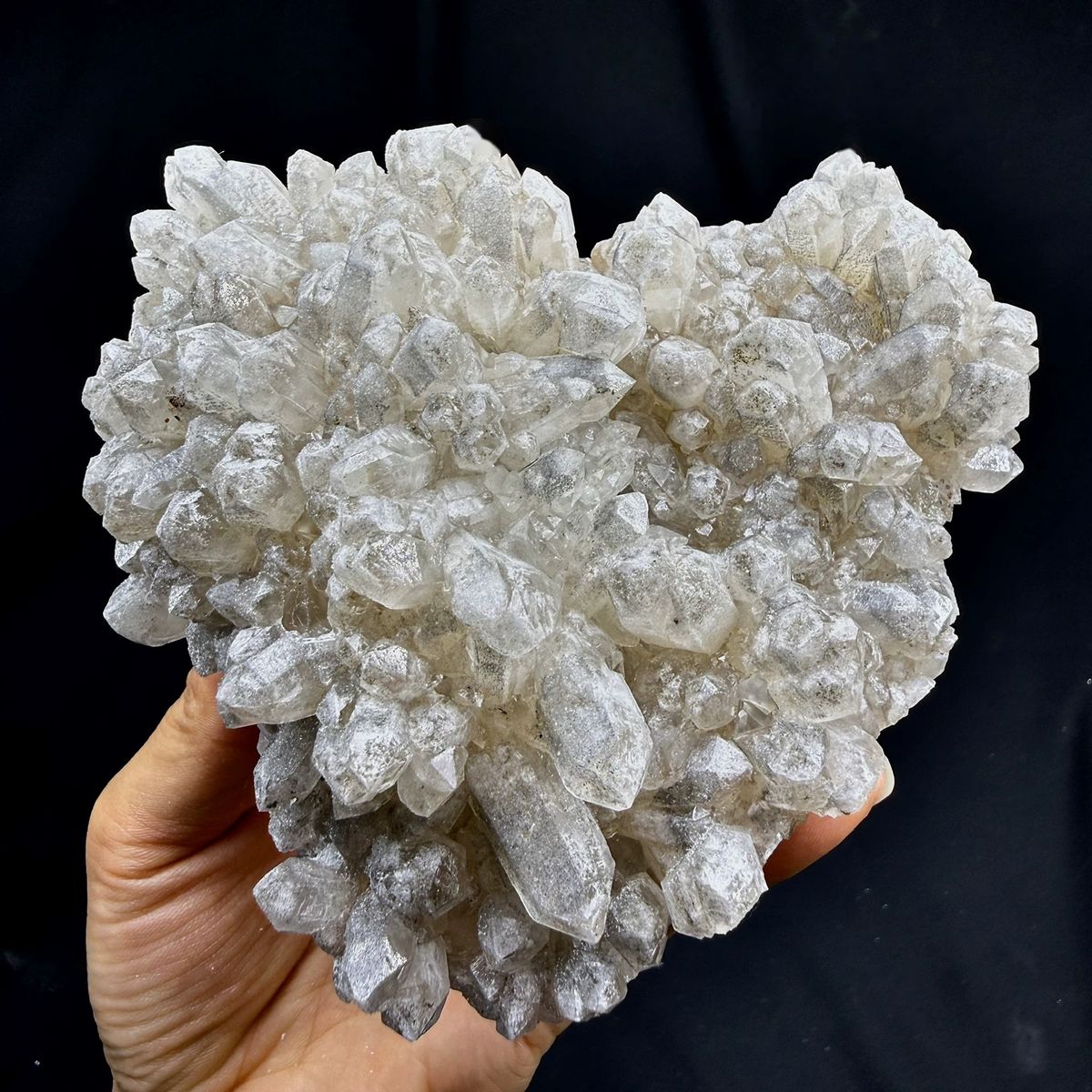
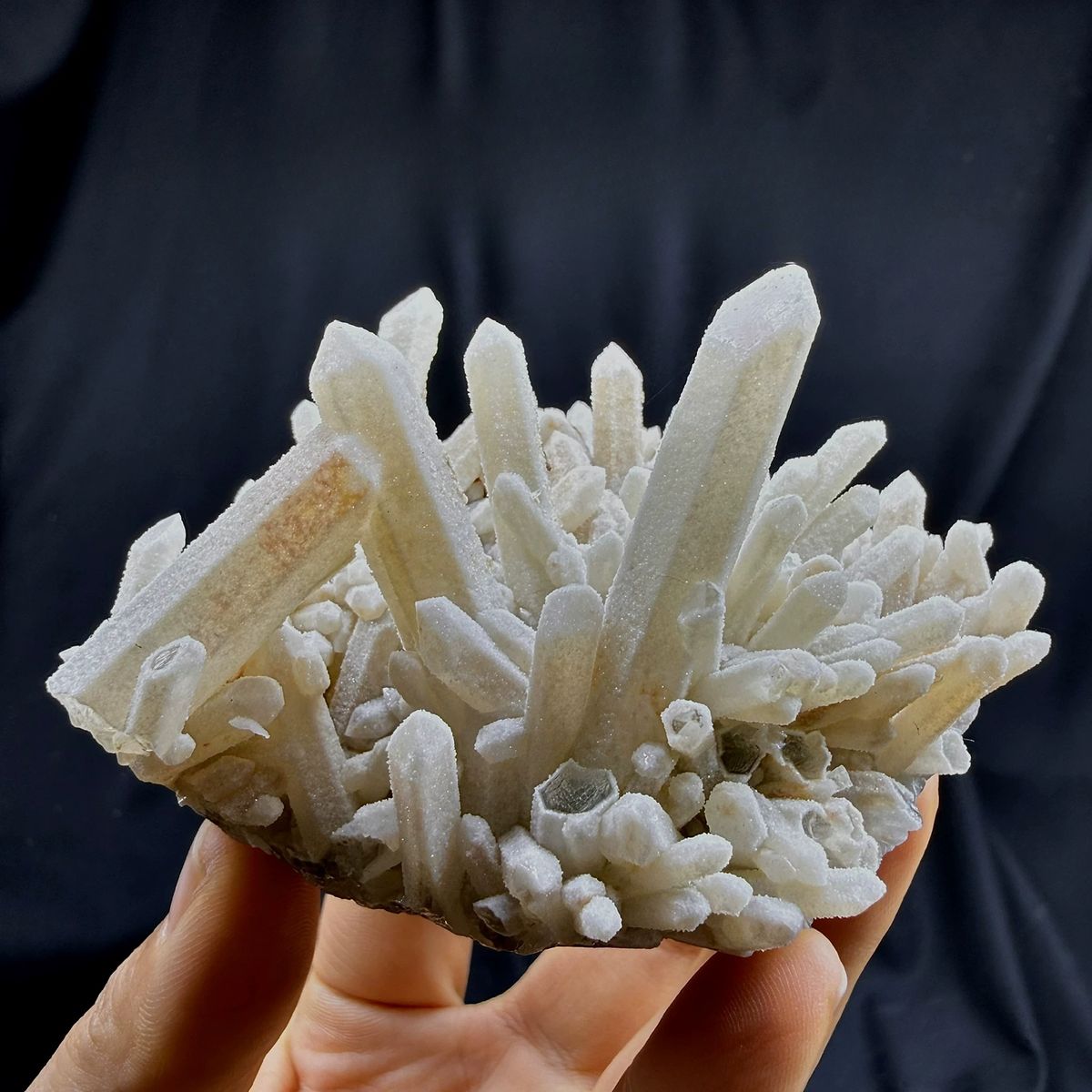
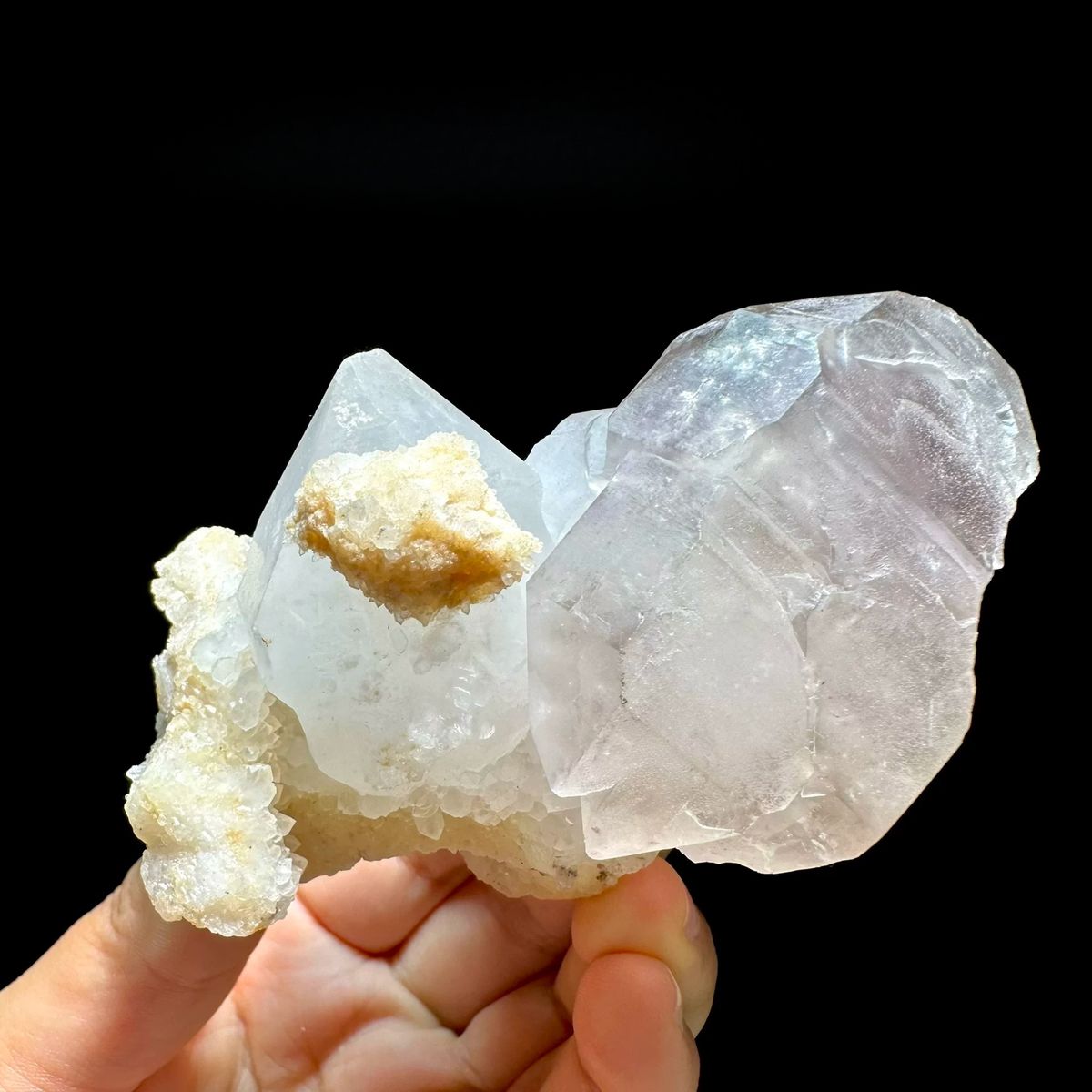
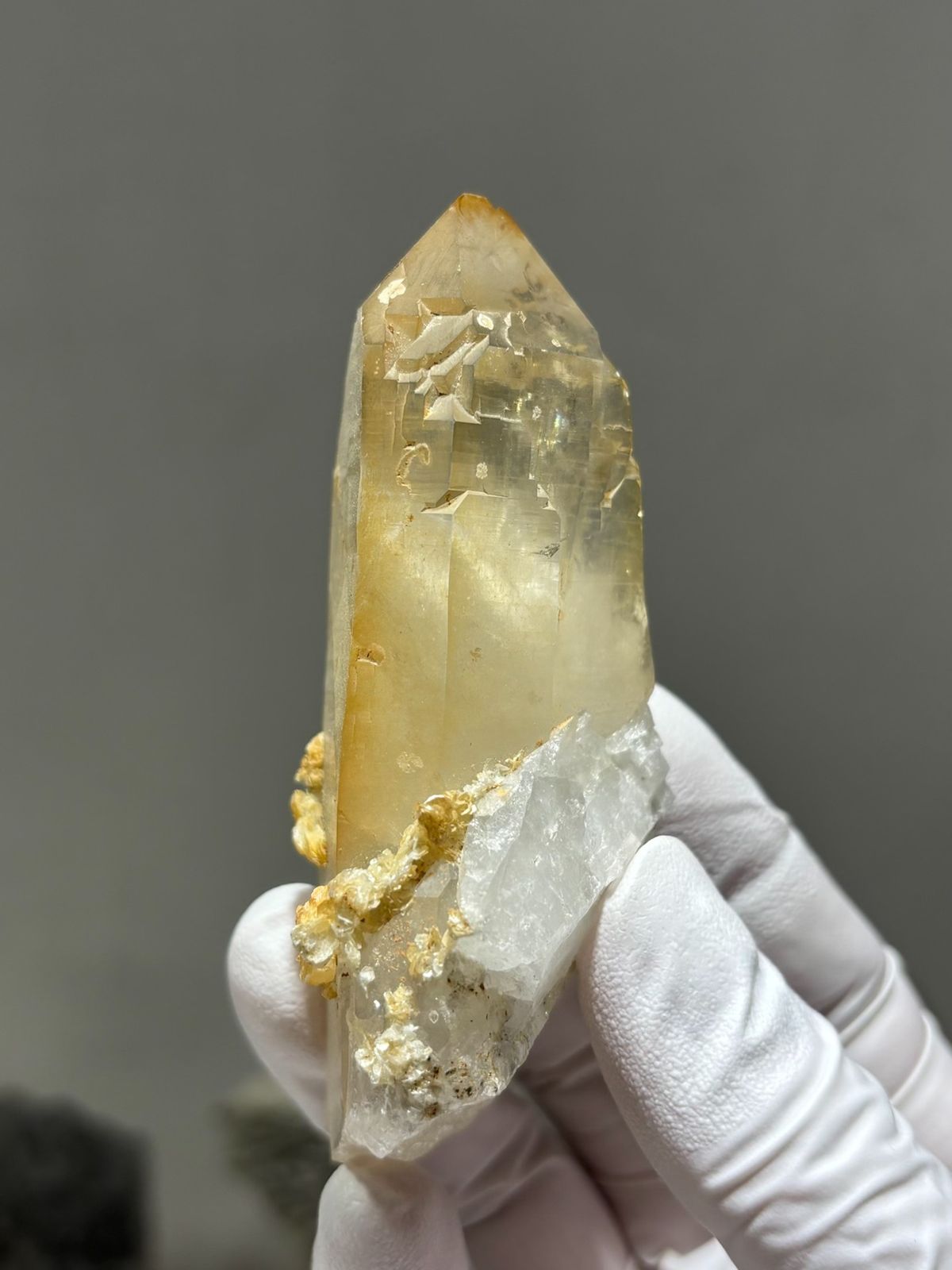
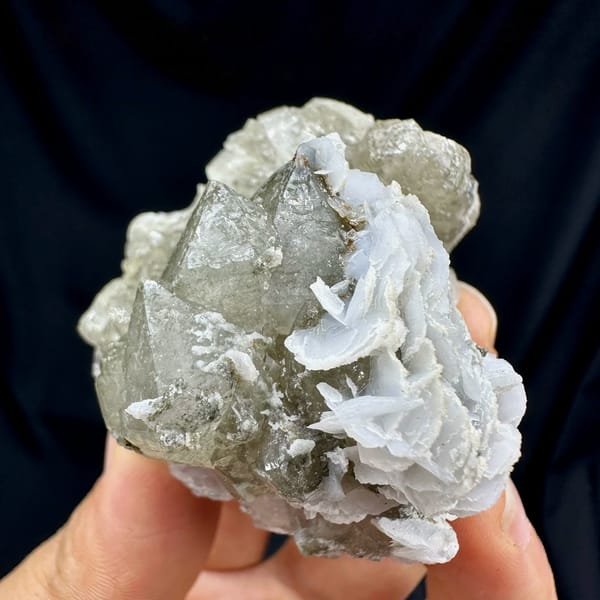
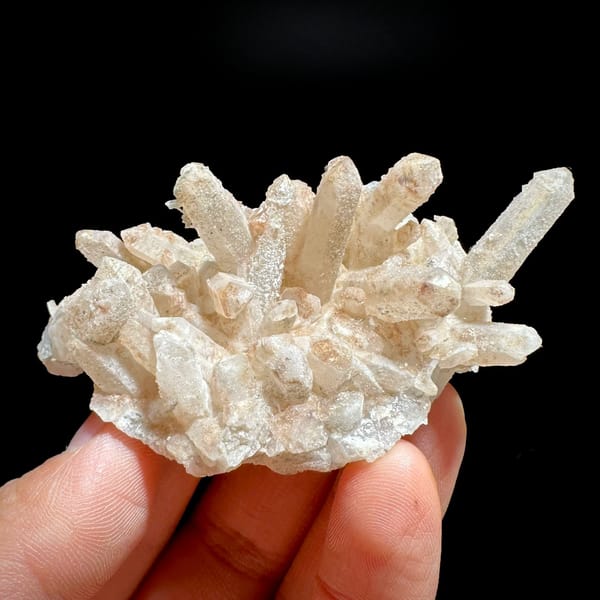
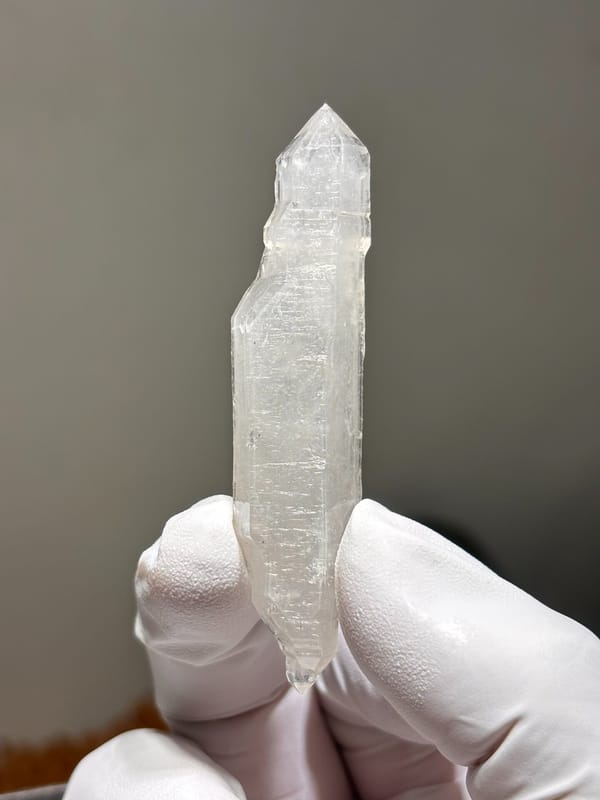
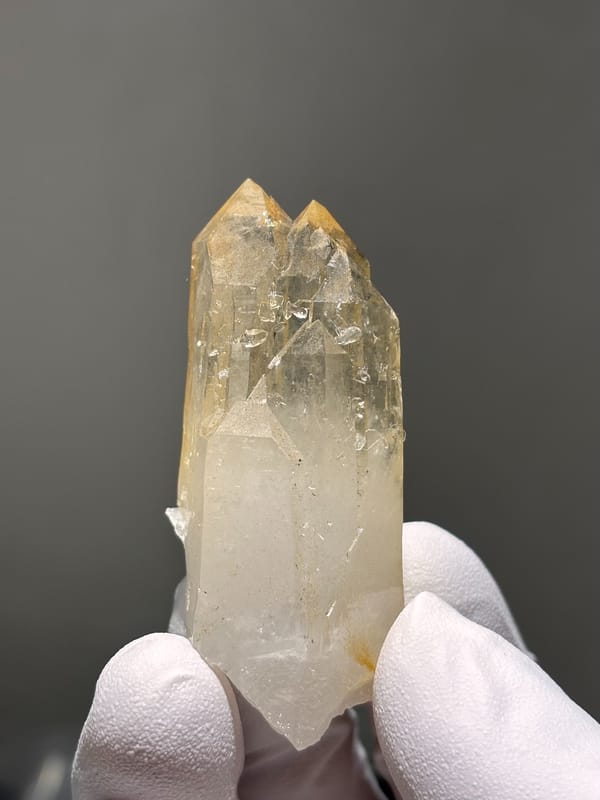
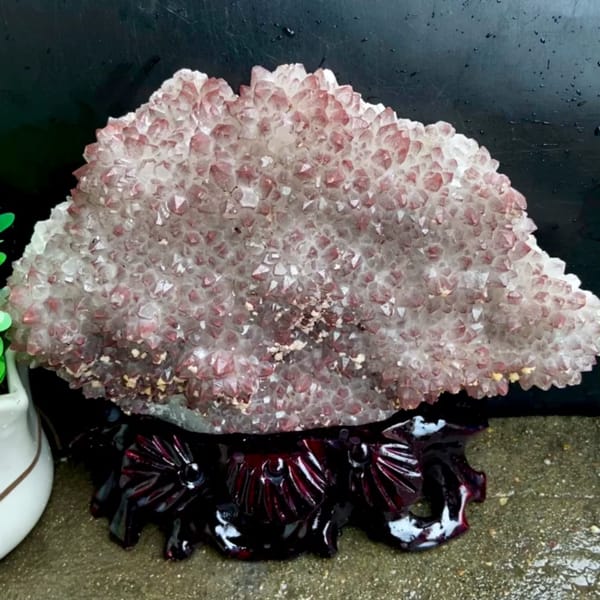
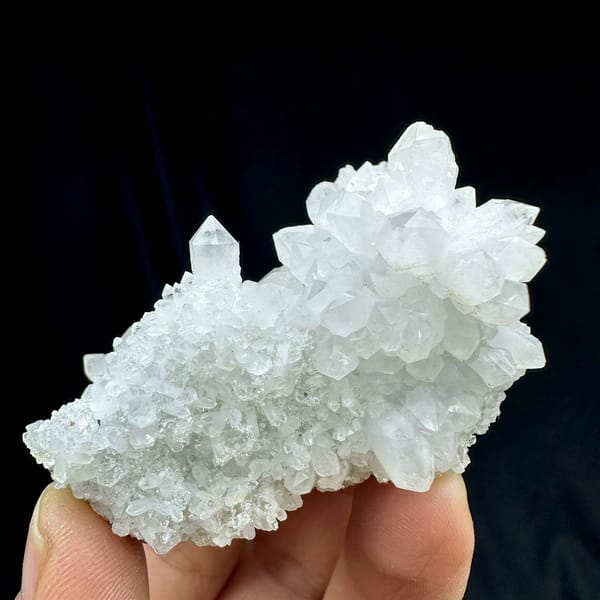
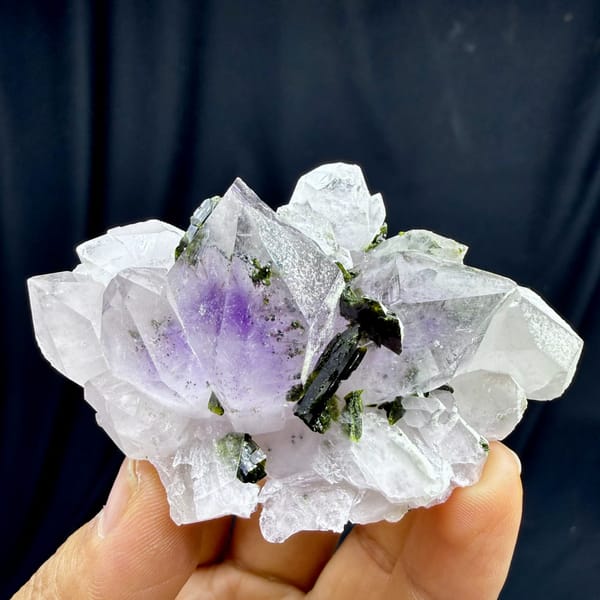
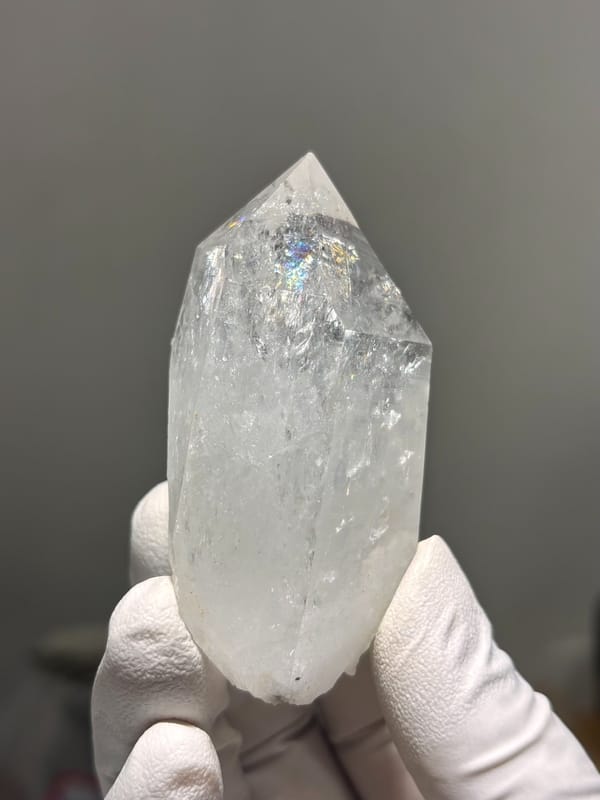
Recently sold Quartz specimens
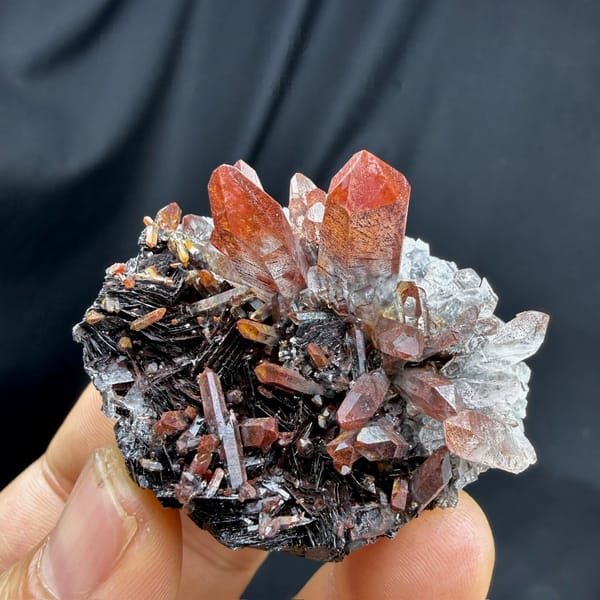
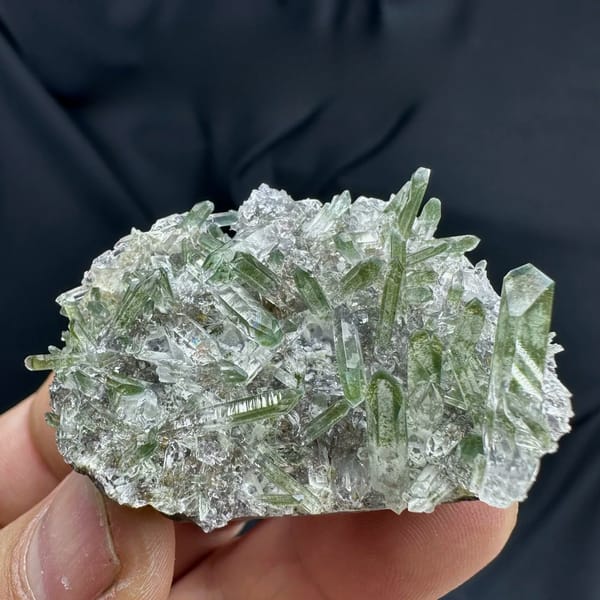
External references
Quartz on Wikidata.