
Vanadinite
Curated by Maggie Liu · Updated:
Vanadinite is a vanadate mineral prized by collectors for its exceptional color range, with known Chinese sources.
About Vanadiniteextended article
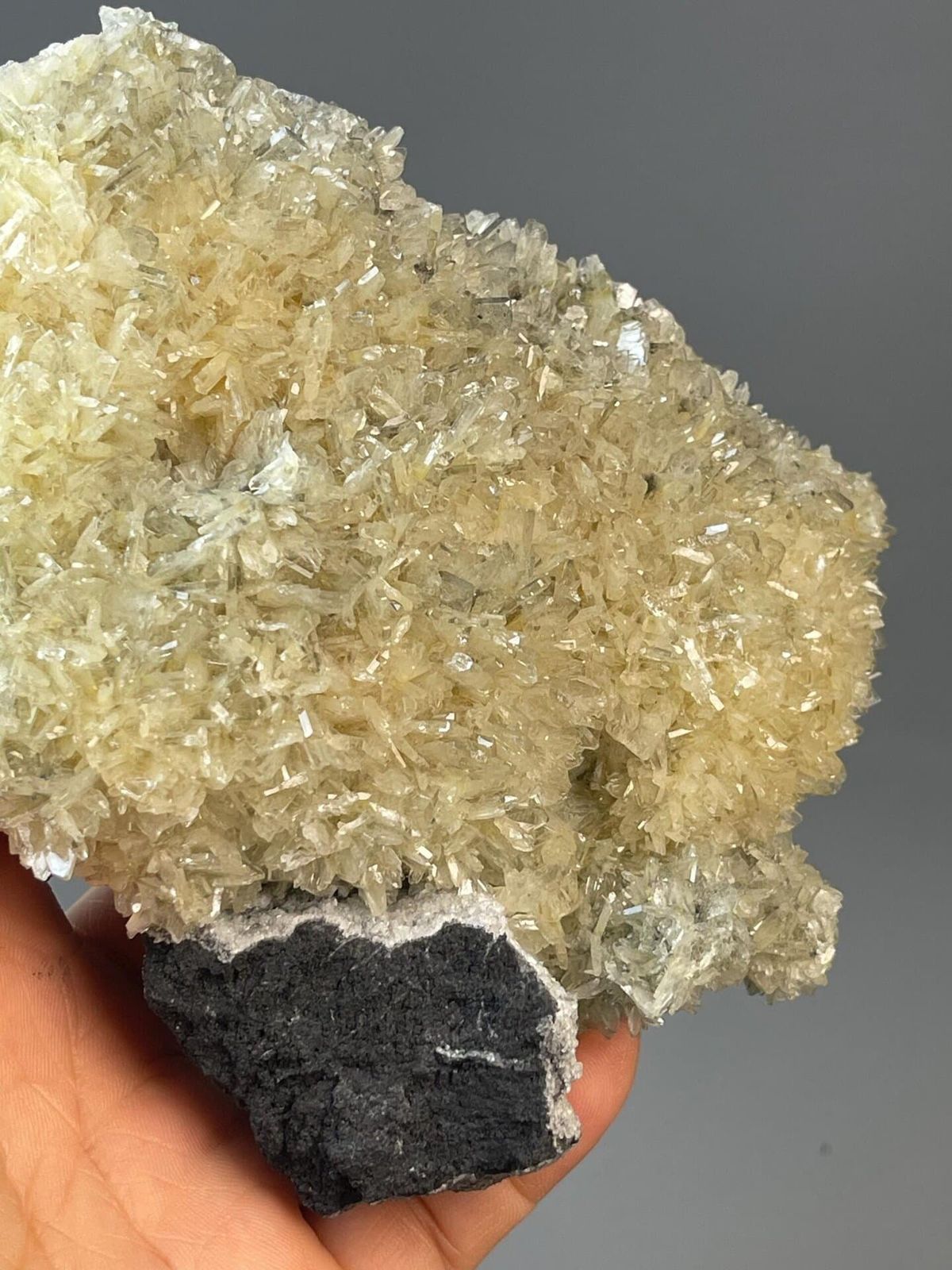
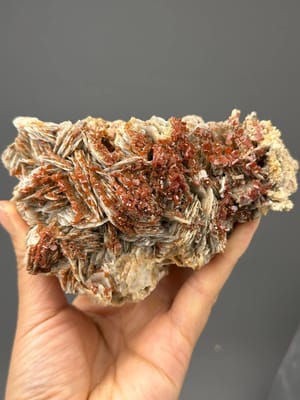
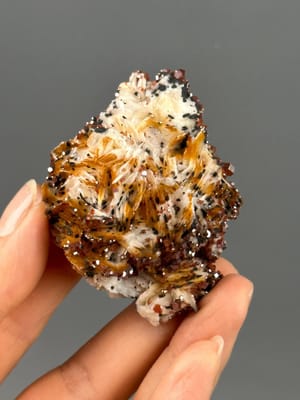
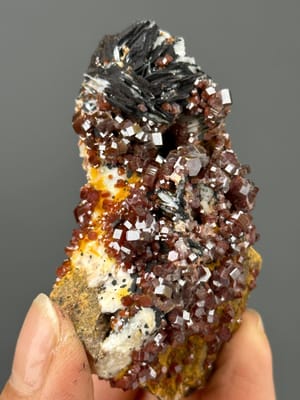
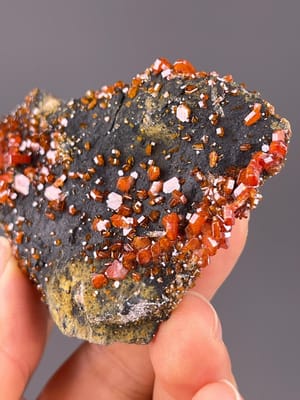
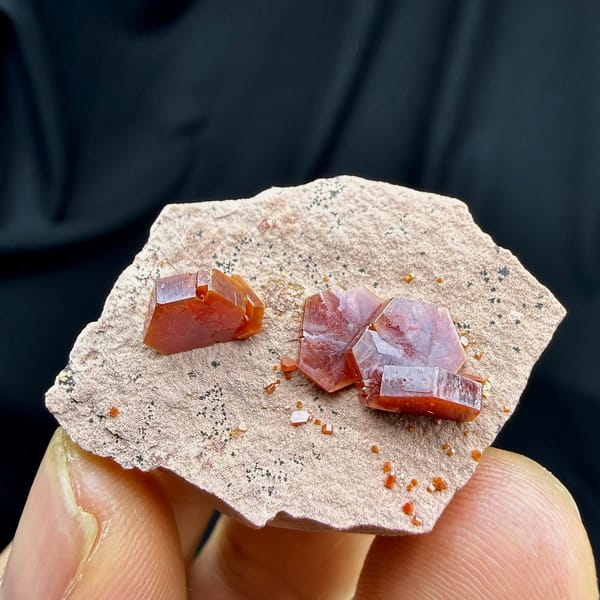
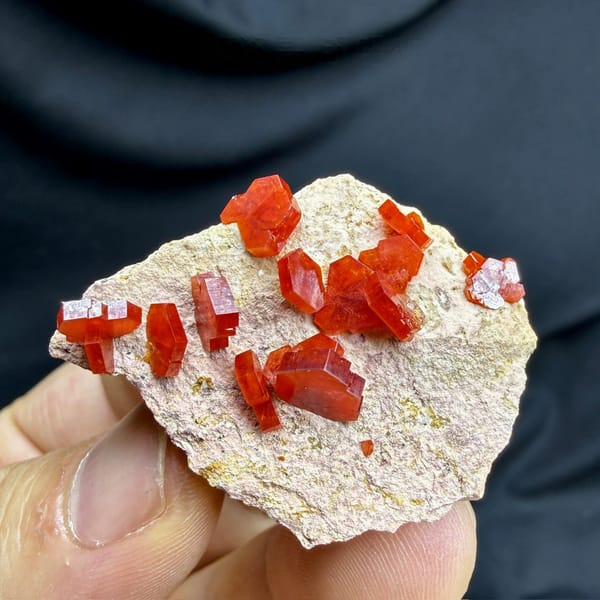
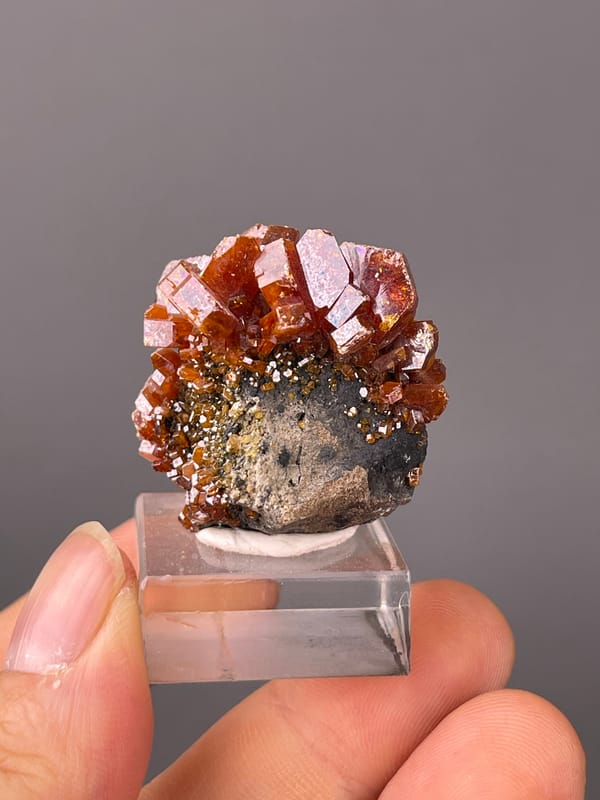
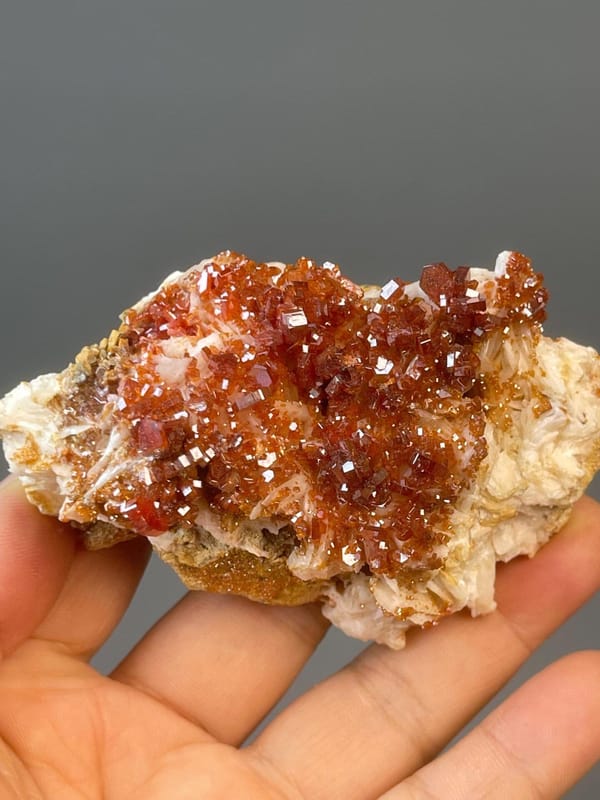
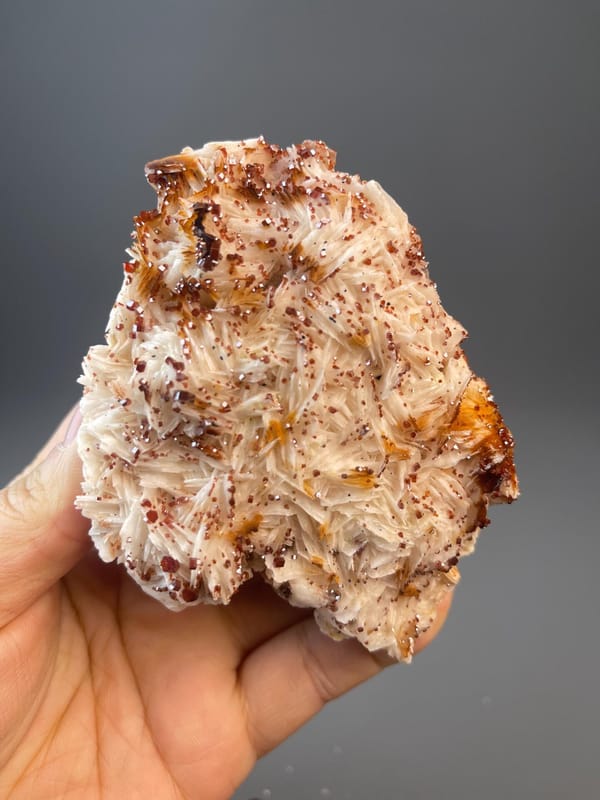
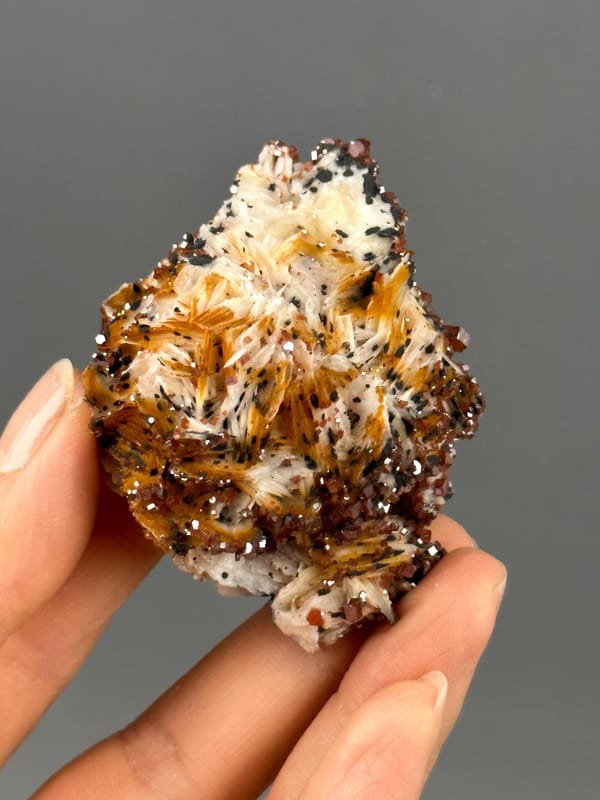
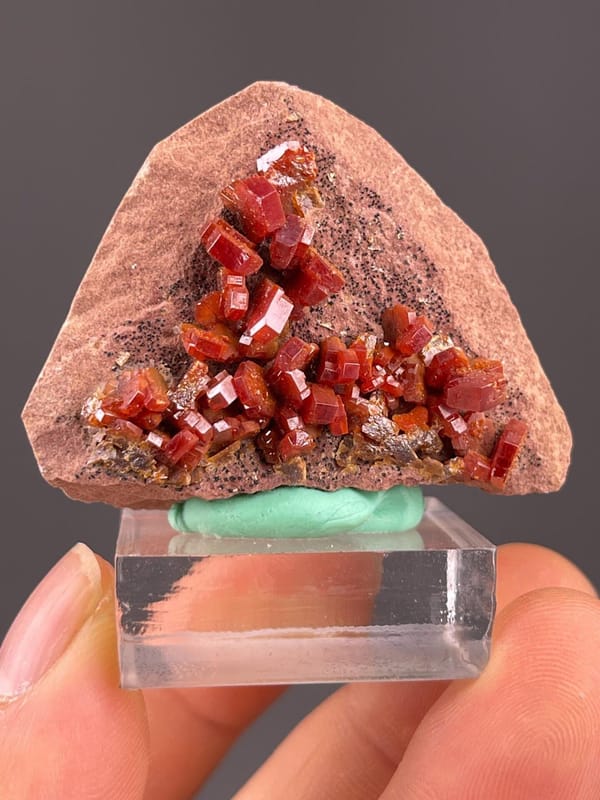
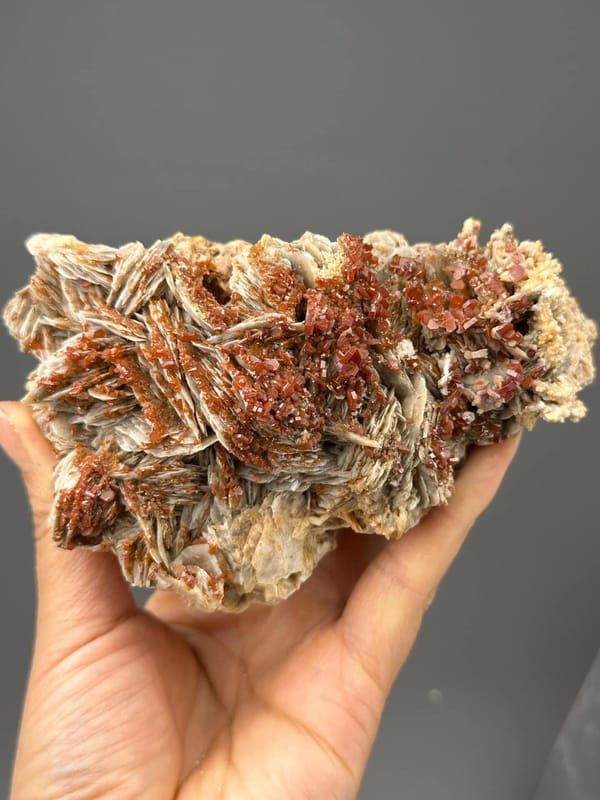
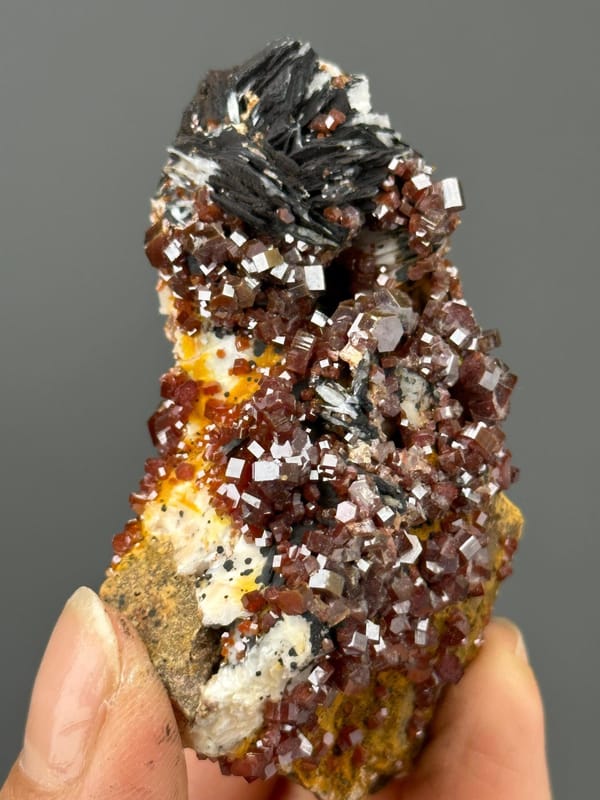
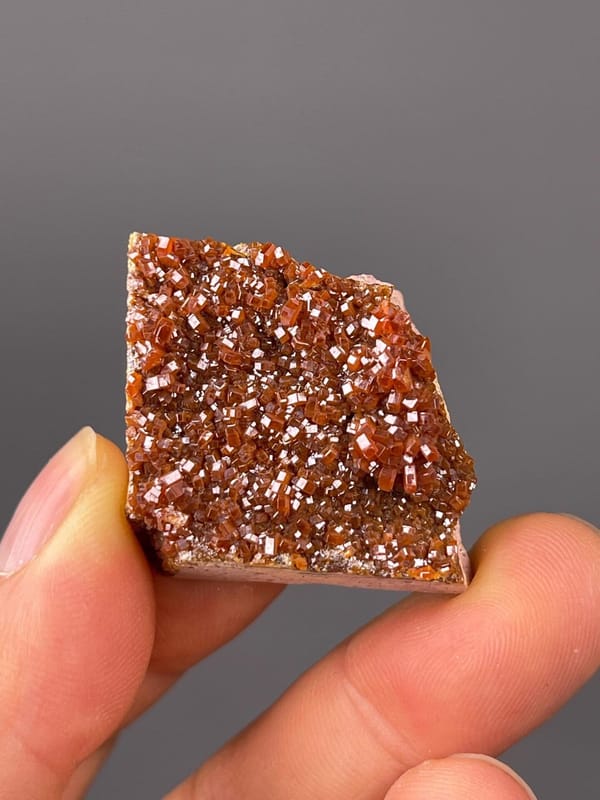
Vanadinite is a lead vanadate of the apatite supergroup and the principal ore of vanadium. Bright orange-red hexagonal prisms perched on barite or quartz matrix – usually small but extraordinarily saturated in color – have made it one of the iconic photogenic specimens in collecting. Mibladen and Touissit in Morocco are the world references; Chinese occurrences are minor and sporadic.
Notable varieties
- Endlichite (As-rich variety; gradational toward Mimetite)
- Cavernous skeletal crystals (Apache Mine, Arizona)
The Chinese angle
Chinese vanadinite occurrences are minor and not internationally significant. Reports from Qinglong (Guizhou) and small Hunan localities exist but yield is sporadic and generally non-collector grade. Most vanadinite in the international collector market traces to Mibladen, Touissit, or Apache Mine. This species is included in the encyclopedia for completeness rather than for Chinese specimen significance.
About Vanadinite
Vanadinite is a vanadate mineral in the apatite supergroup and has the chemical formula Pb₅(VO₄)₃Cl. It crystallizes in the hexagonal system and is one of the most visually varied minerals in the collector market. Its combination of structural character and global distribution make it a recognized species in both systematic and aesthetic collections.
Identification & care
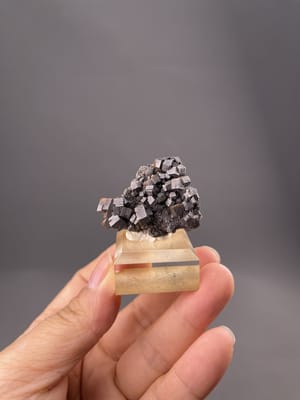
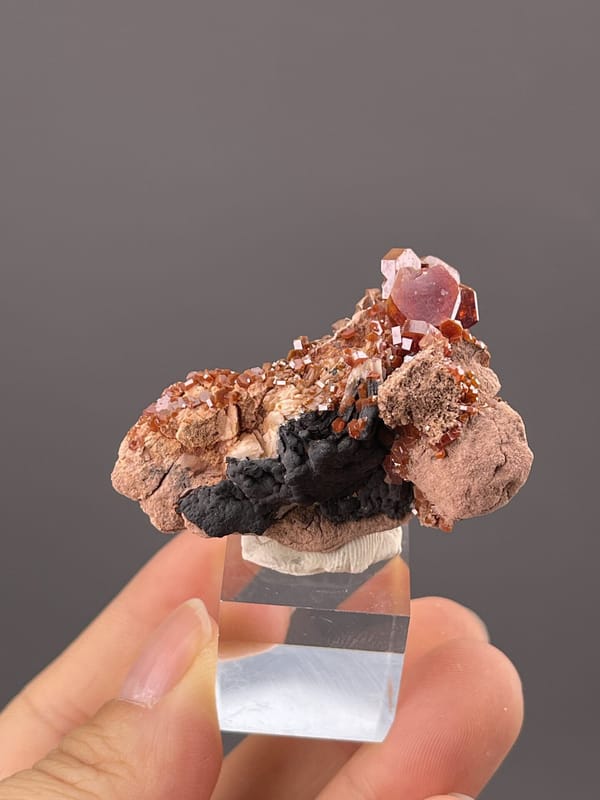
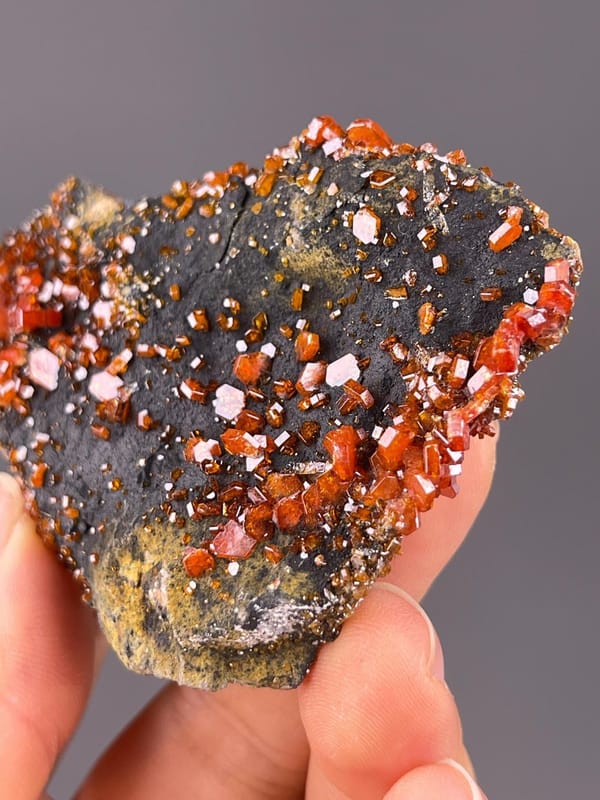
Vanadinite typically forms short prismatic to tabular hexagonal crystals; hollow tubular crystals (distinctive); globular. Its color range is broad, including orange-red, red-brown, bright red, yellow, whitish, and pale straw-yellow to colourless in transmitted light. The luster is sub-adamantine, resinous, the streak is white to yellow, and specimens range from transparent to translucent. The fracture is uneven, which is one of its key identifying features.
Collector context
How it forms
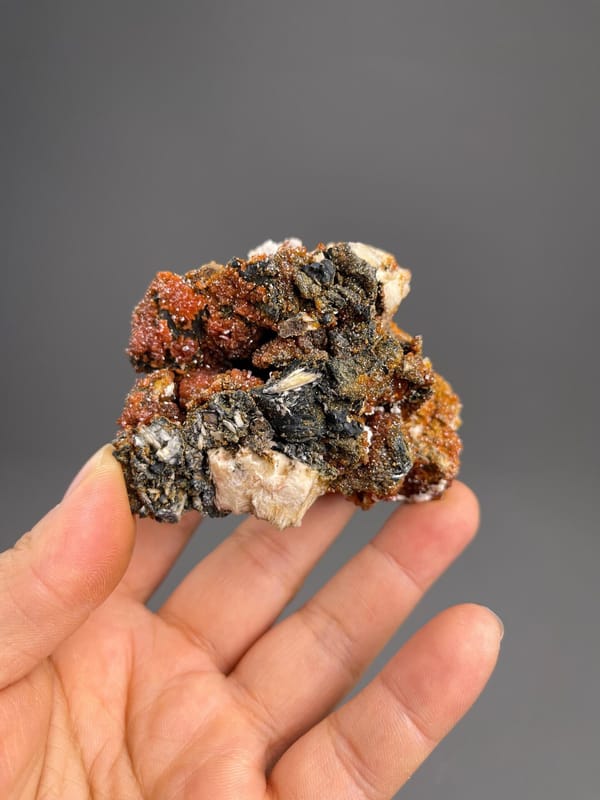
Vanadinite forms in secondary mineral in oxidized zones of lead ore deposits (desert environments favor formation). It is commonly found in association with wulfenite, mimetite, cerussite, pyromorphite, barite.
Classic Chinese localities
Vanadinite is widely represented across Chinese provinces, including Yunnan, Gansu, Guizhou, Guangdong.
Why collectors care
Vanadinite is a frequently-sought species in serious collections because its habit is recognizable, its color often strong, and its best examples unmistakable even at a distance. Chinese material has driven much of the recent visual shift in the species — sharper crystals, deeper colors, cleaner matrix.
What affects value
Value in Vanadinite is assessed, in typical order of weight, against: (1) locality provenance; (2) size relative to the species norm; (3) crystal form and termination sharpness; (4) color saturation and zoning; (5) transparency and internal clarity; (6) matrix quality and aesthetic balance; (7) condition (absence of damage, chips, or repair). Cleaning quality and verified locality documentation act as multipliers across the above.
Naming history
Vanadinite is named for the vanadium it contains, and vanadium in turn was named for Vanadís — a byname of Freyja, the Norse goddess of beauty — because its compounds form such a range of brilliant colours. Vanadinite's own hexagonal crystals are among the most intensely orange-red objects in mineralogy.
Frequently asked questions
What is Vanadinite?
Vanadinite has the chemical formula Pb₅(VO₄)₃Cl, crystallises in the Hexagonal system, has a Mohs hardness of 2.7–3. Vanadinite is a vanadate mineral prized by collectors for its exceptional color range, with known Chinese sources.
What is the chemical formula of Vanadinite?
The chemical formula of Vanadinite is Pb₅(VO₄)₃Cl.
What crystal system does Vanadinite belong to?
Vanadinite crystallises in the Hexagonal crystal system.
Where is Vanadinite found?
Notable localities for Vanadinite include Daye, Hubei.
Related minerals
Available Vanadinite specimens
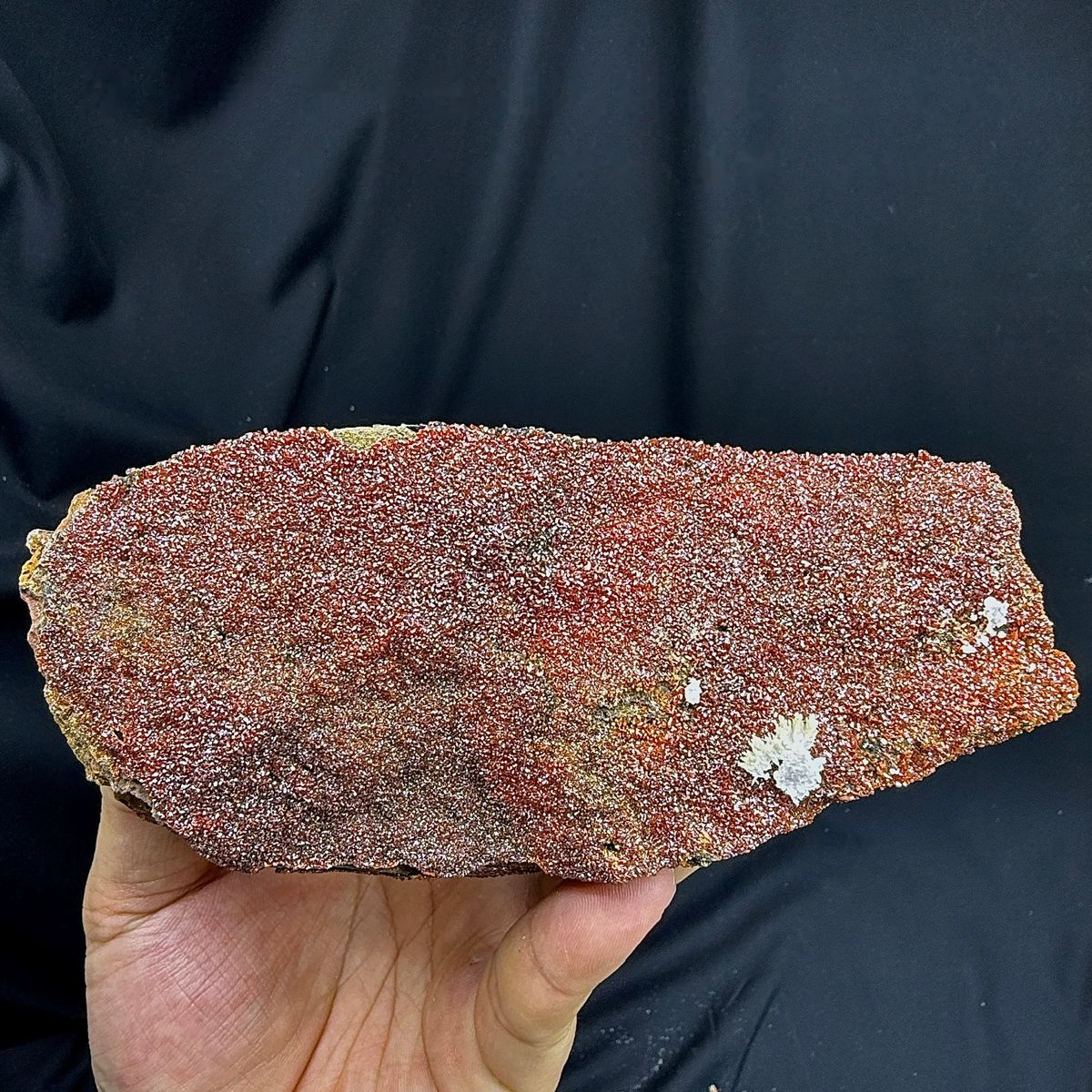
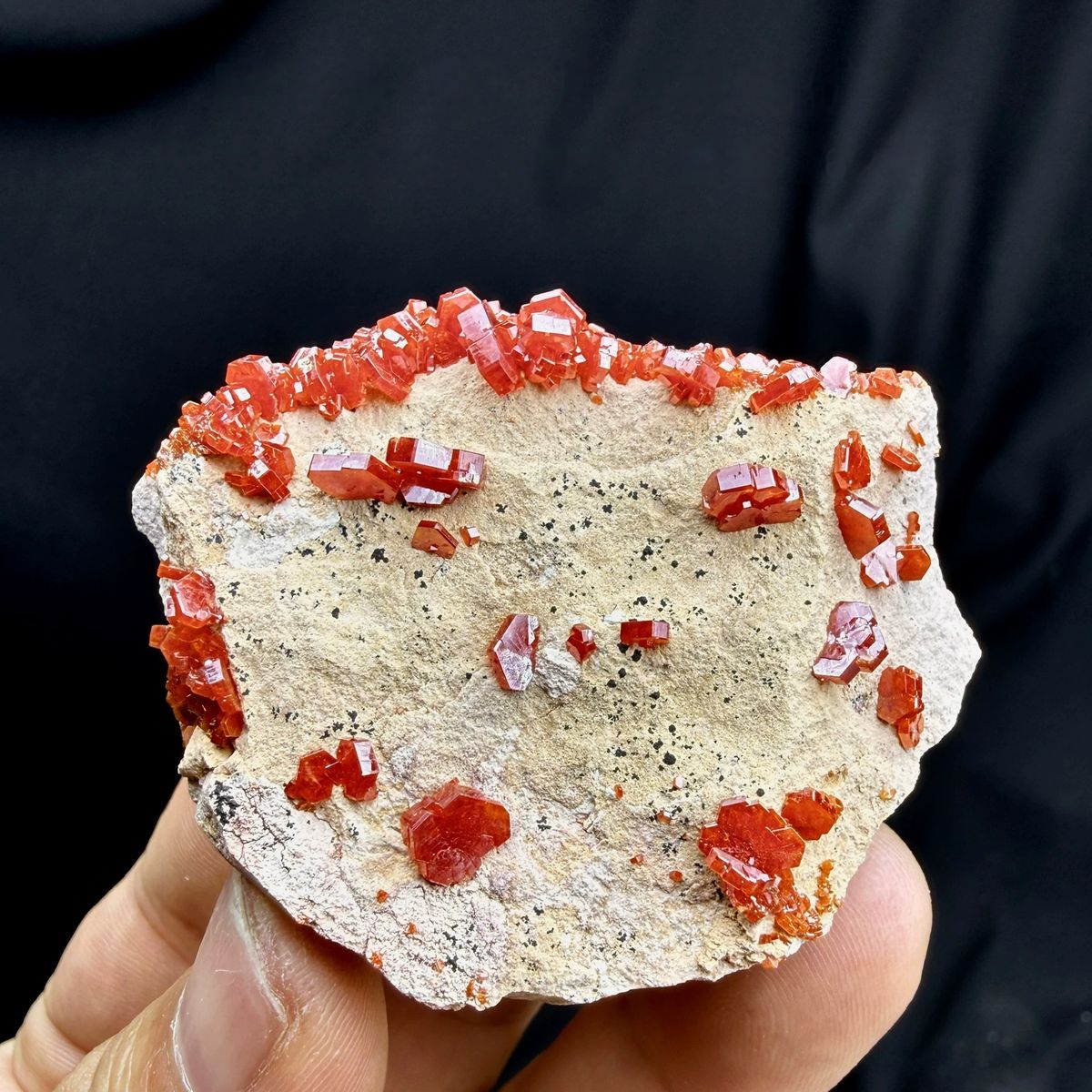
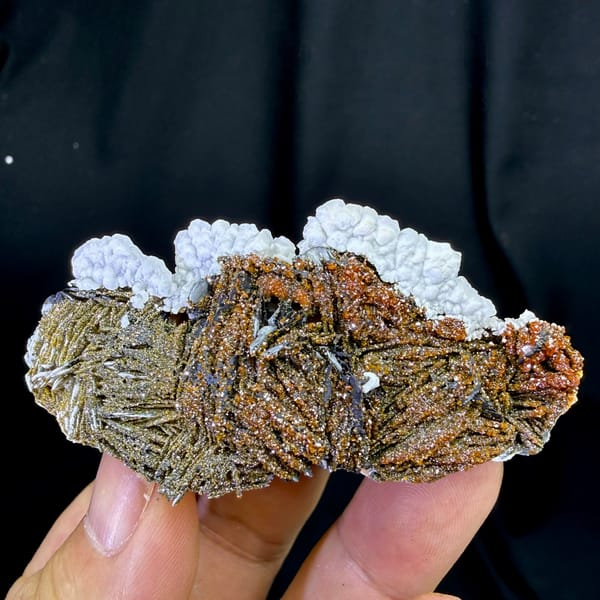
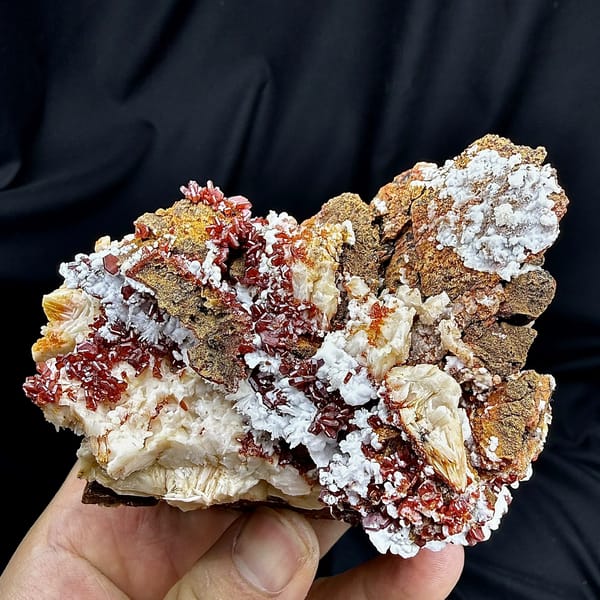
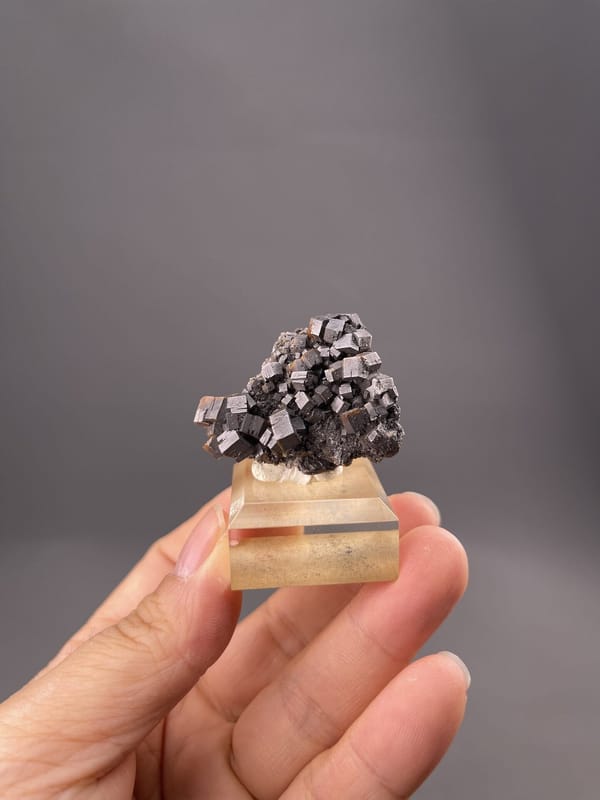
Recently sold Vanadinite specimens
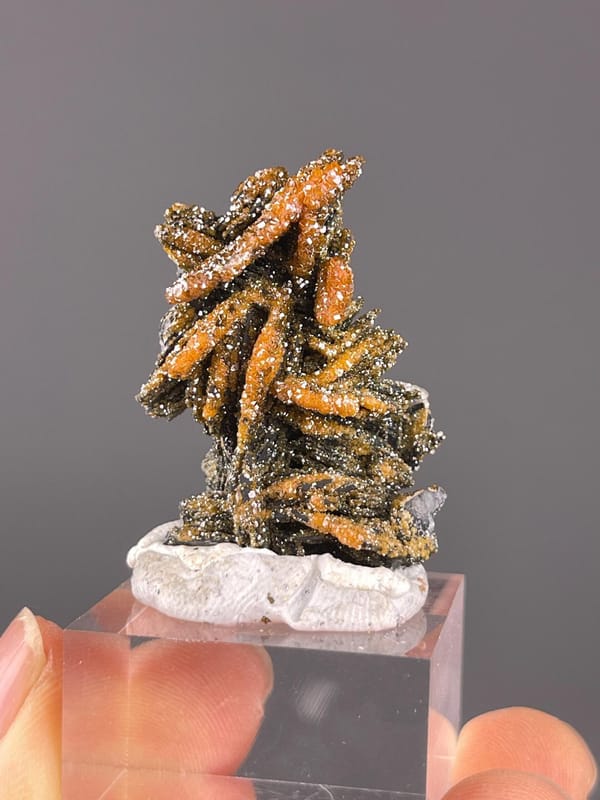
External references
Vanadinite on Wikidata.