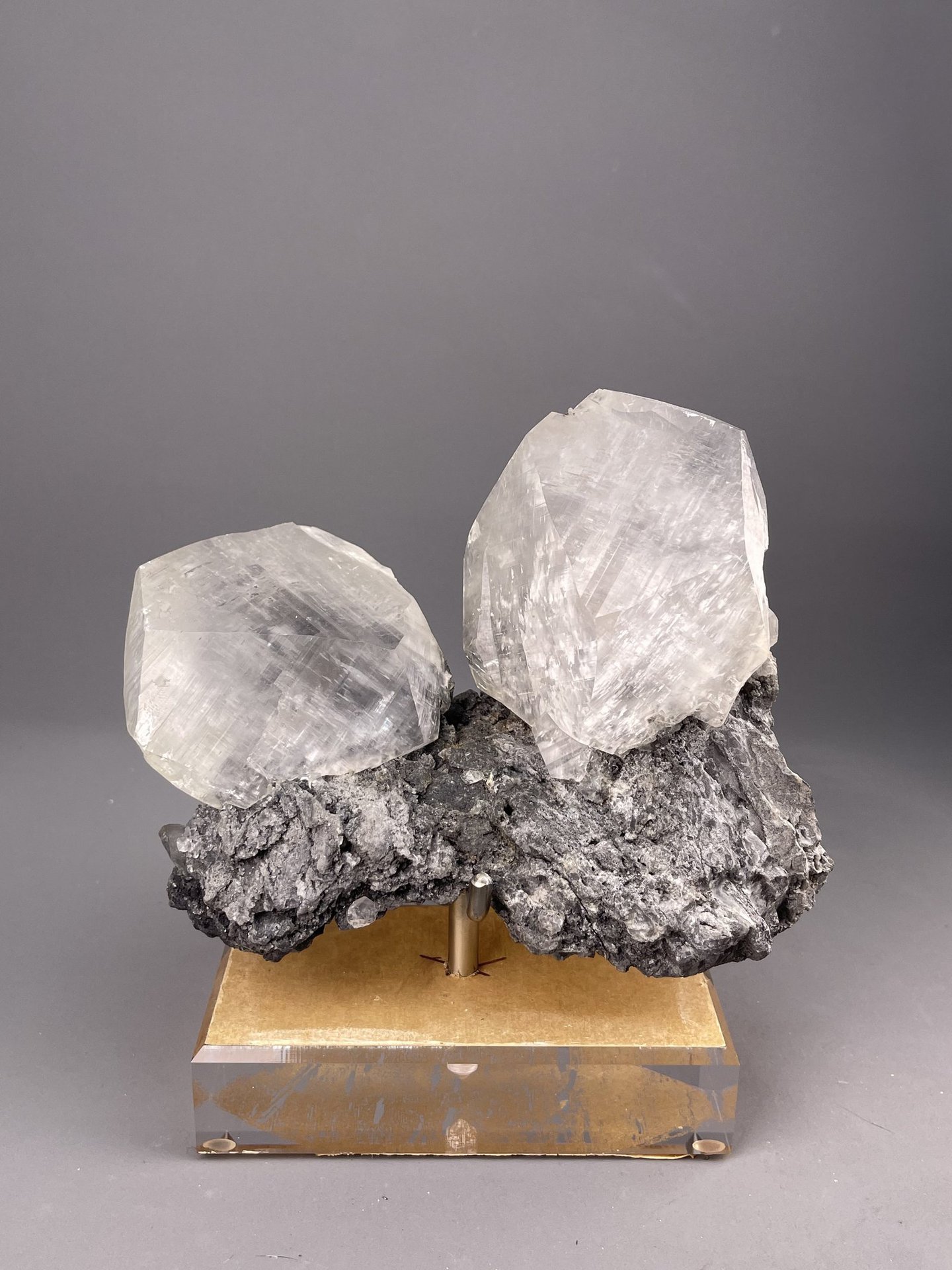
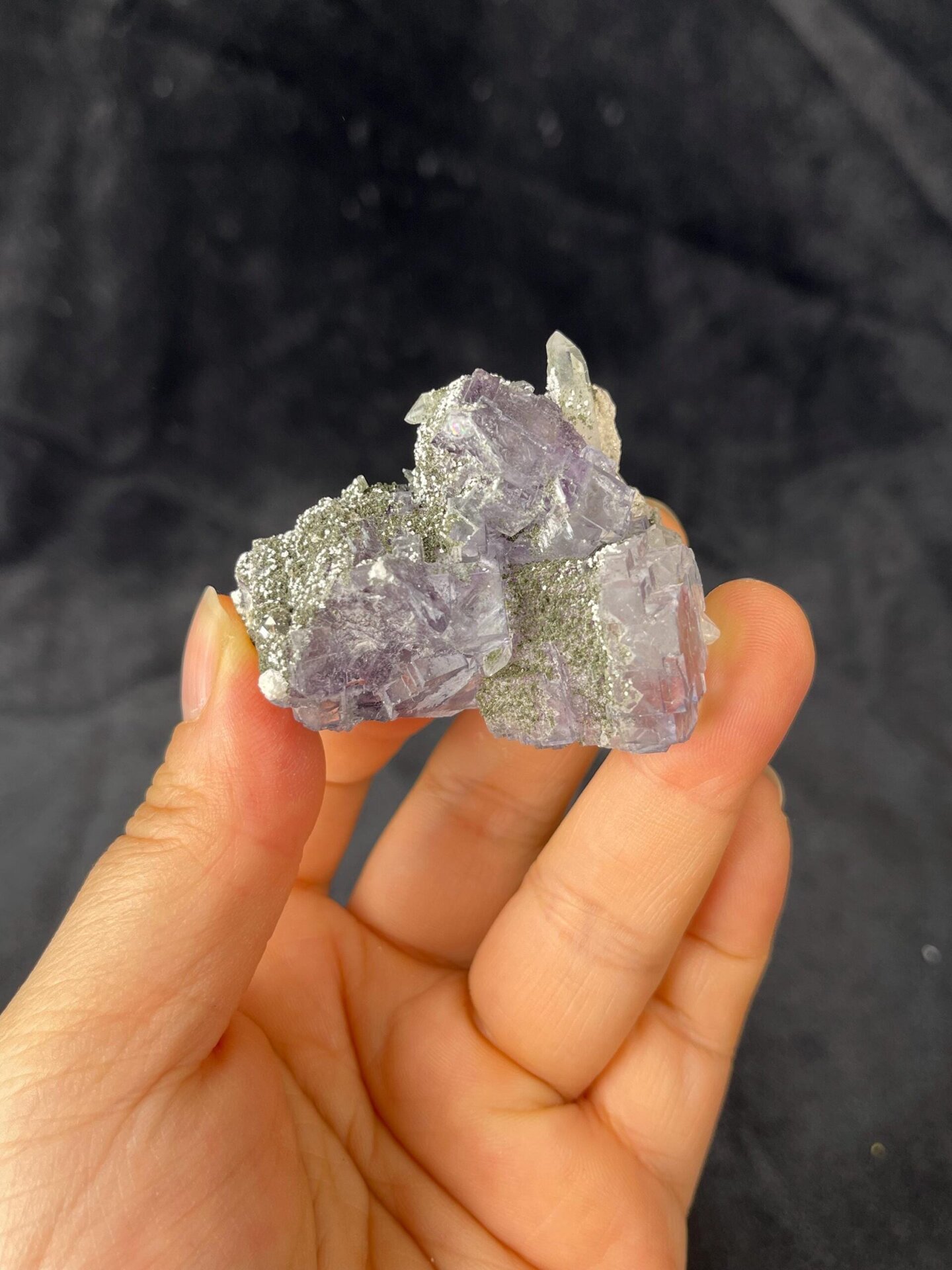
Isometric
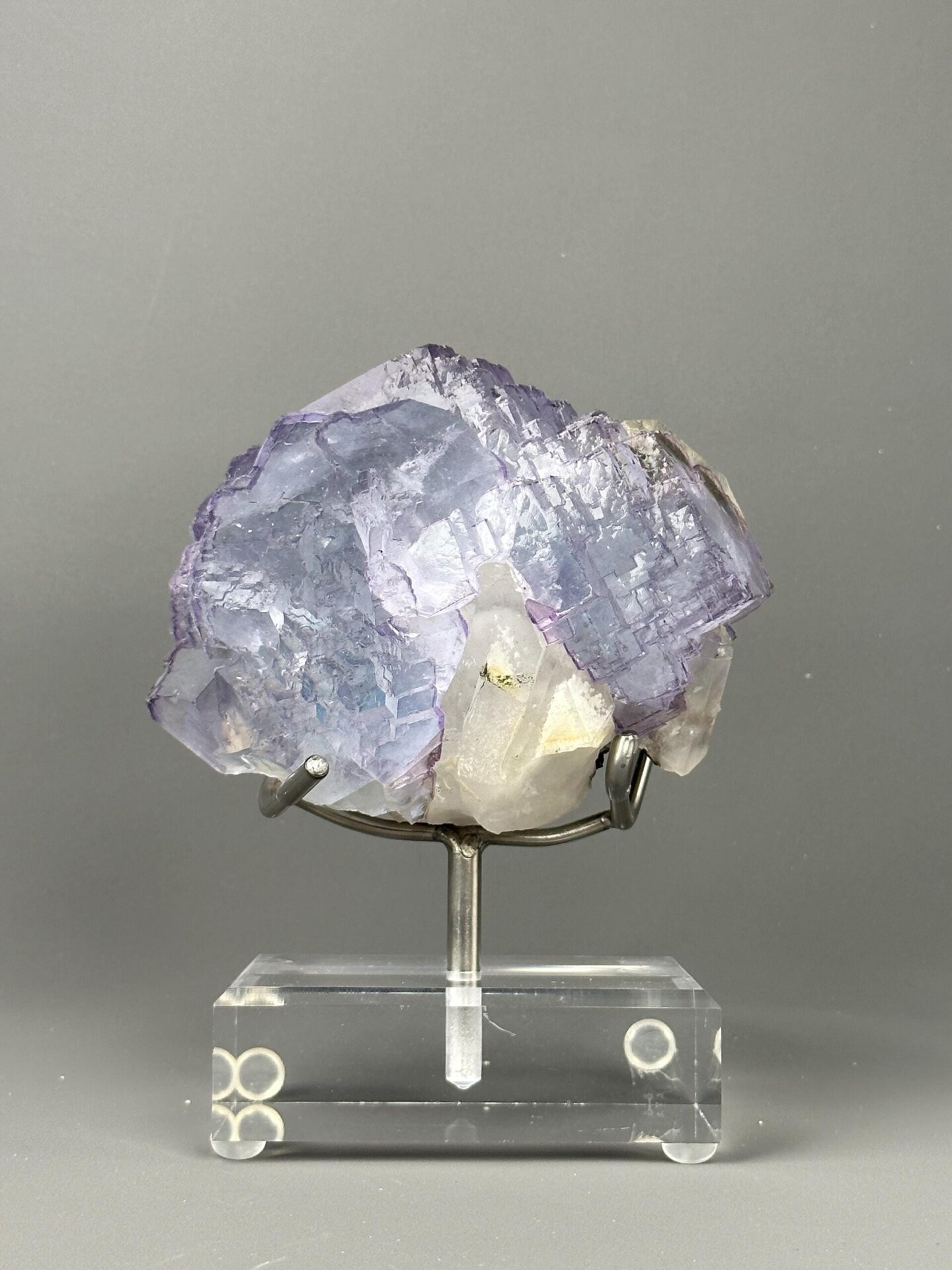
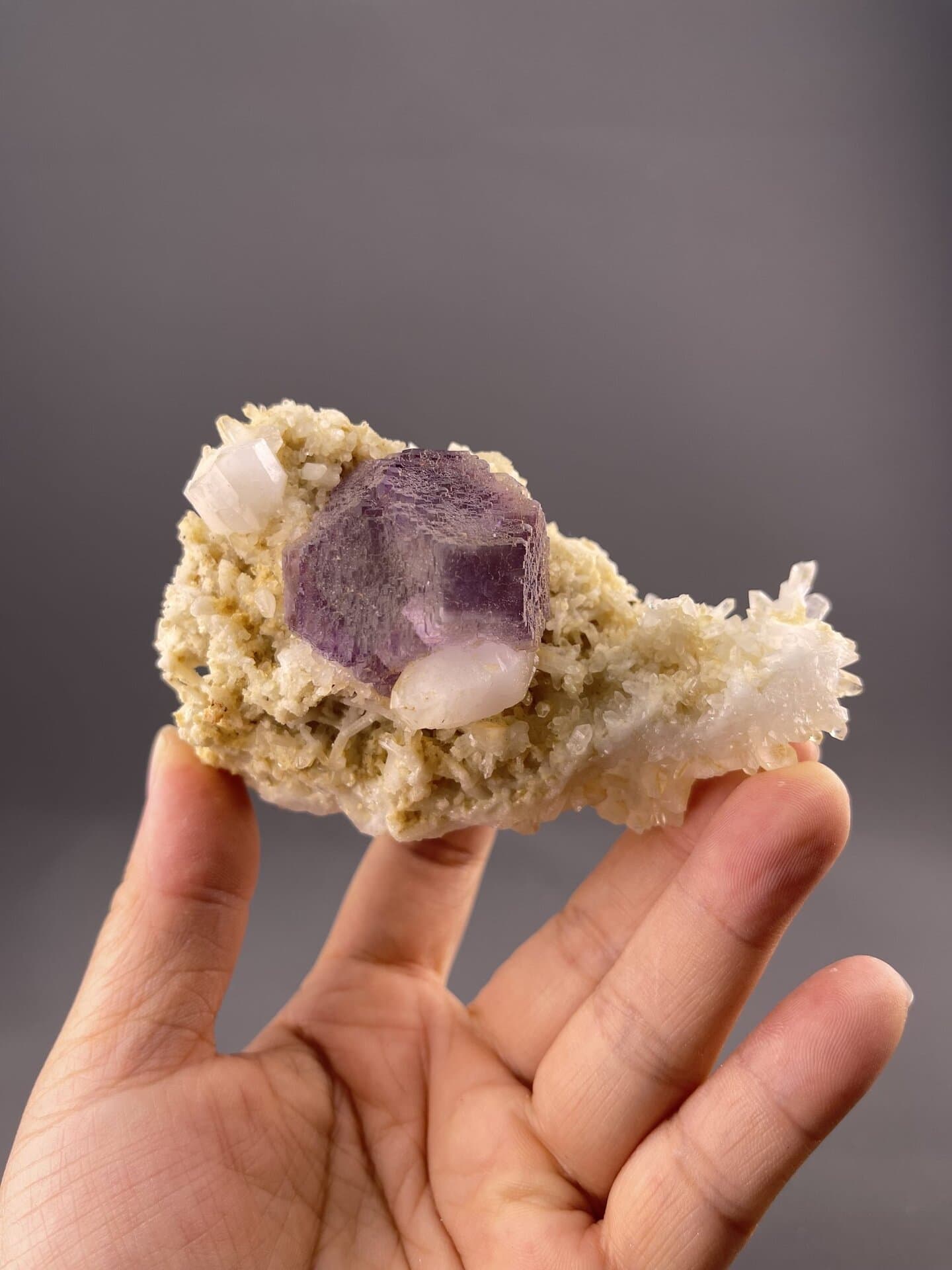
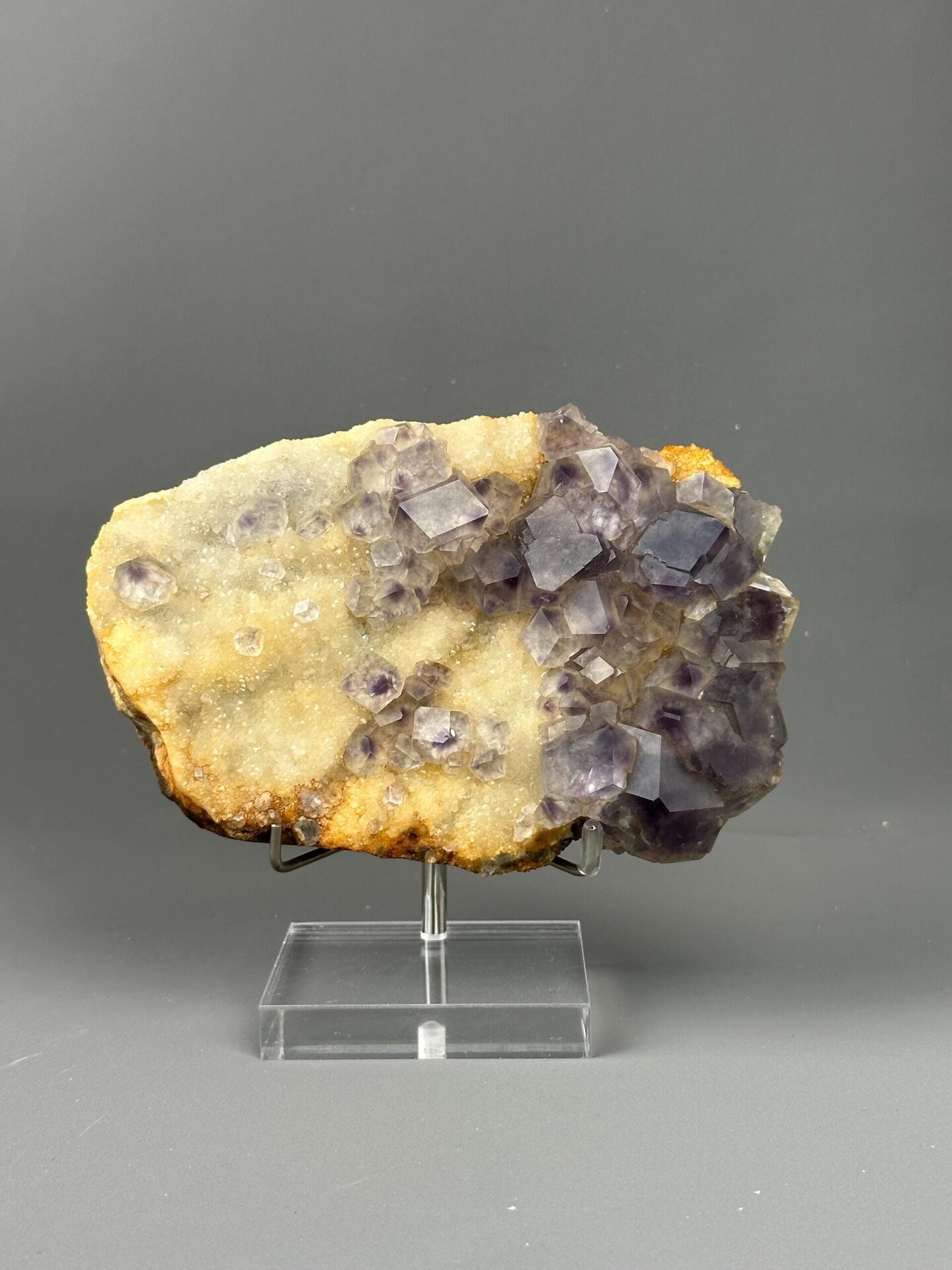
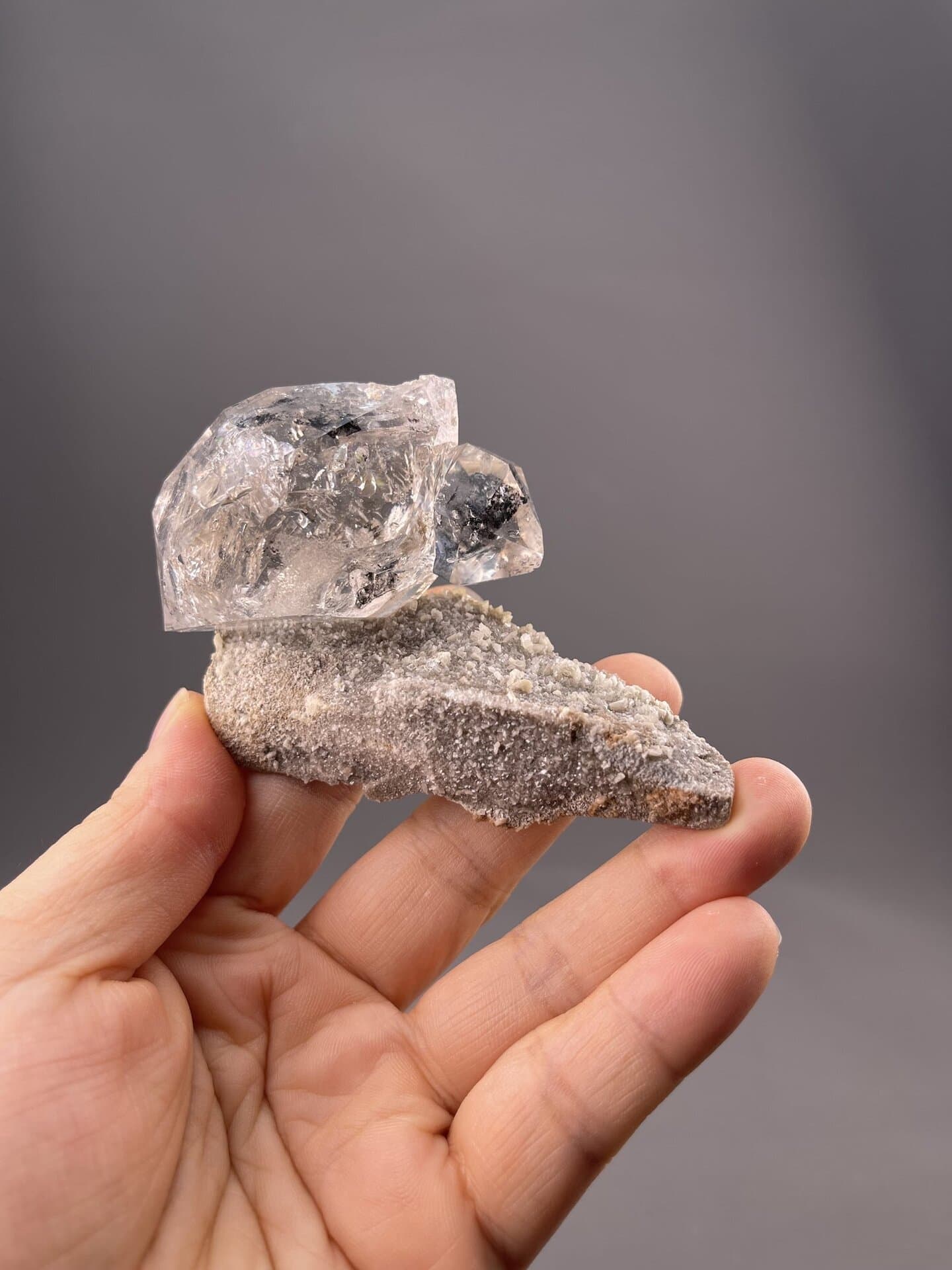
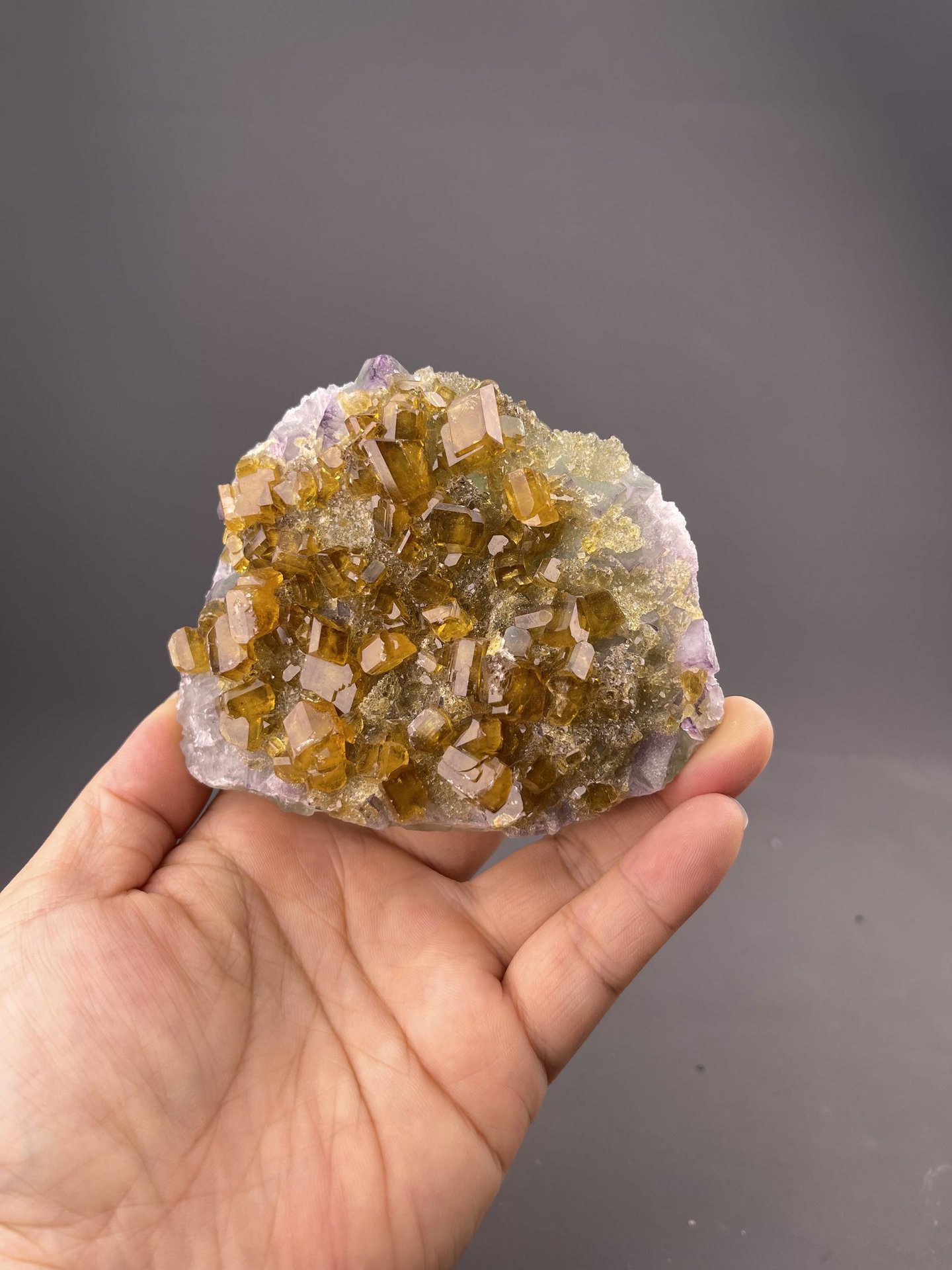
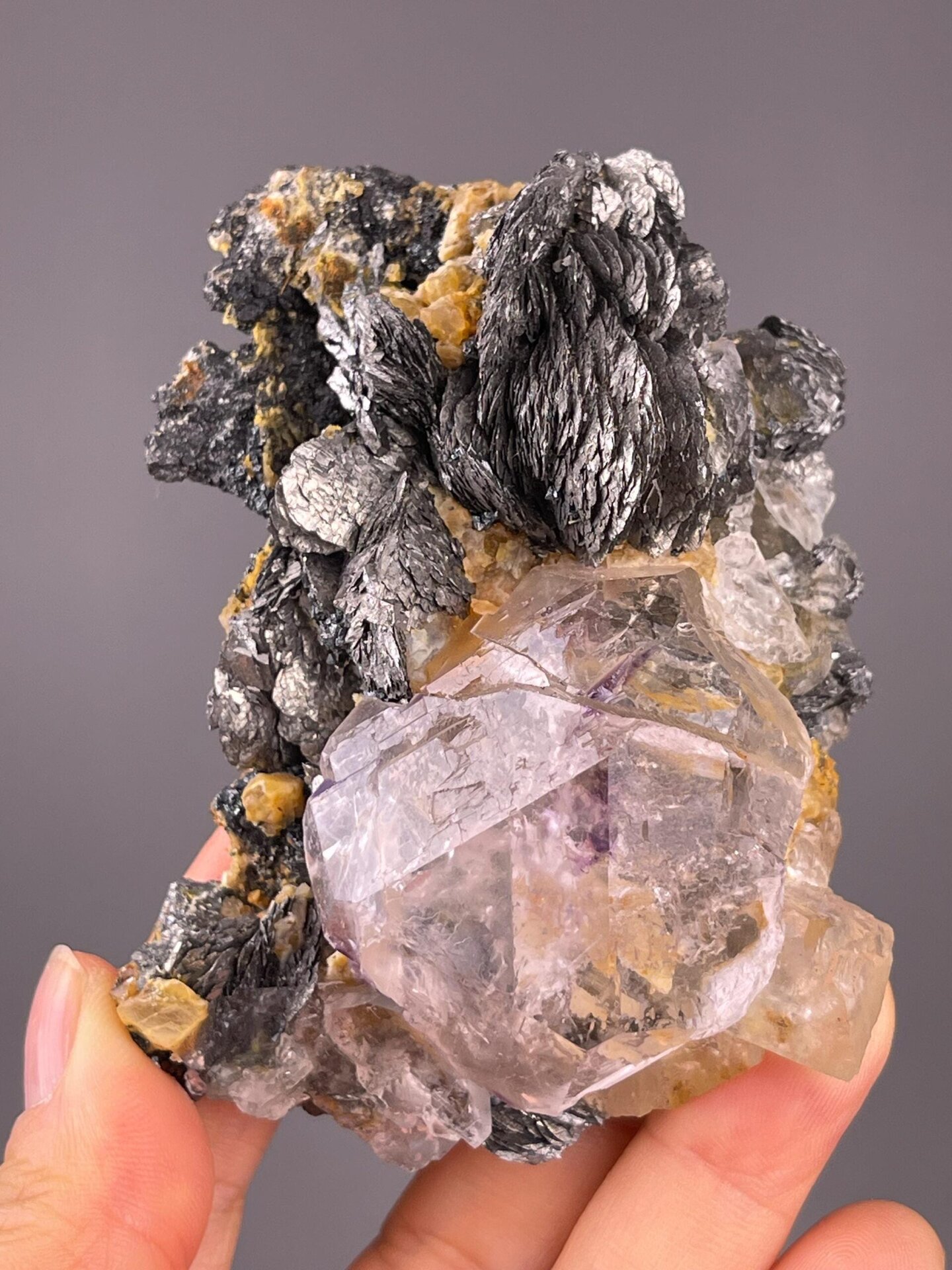
Fluorite
Calcium fluoride; cubic crystal habit, a wide colour range.
Yaogangxian Mine249 in stock

Reference hub for Chinese mineral specimens — classic localities and the species that define them. Yaogangxian fluorite, Daye calcite-on-pyrite, Shangbao green fluorite, Xuebaoding cassiterite, Lengshuijiang stibnite, Xianghualing fluorite, and more.
How China became the world's leading source of fine specimens — the geology, the signature species, and the regions behind them.
China is, in the modern era, the single most important source of fine mineral specimens in the world. For most of the twentieth century the classics in Western collections came from Europe, the Americas, and Africa; China was nearly a blank on the collector map. That changed from the 1990s onward, as the country's mines opened to the specimen trade and a large domestic collecting culture emerged. Today a great share of the fluorite, stibnite, scheelite, pyromorphite, cinnabar, and rare-earth specimens on the world market — including many of the finest ever found — come from Chinese localities.
The reason is geological breadth. Southern China straddles the Nanling tungsten–tin metallogenic belt, one of the richest W–Sn zones on Earth, threading through Hunan, Jiangxi, and Guangdong and yielding the granite-related fluorite, wolframite, scheelite, and cassiterite the country is famous for. Beyond it sit carbonatite rare-earth giants (Bayan Obo in Inner Mongolia, Maoniuping in Sichuan), iron–tin skarns (Huanggang, Daye), and shallow epithermal antimony and mercury deposits (Xikuangshan, Wanshan). Few countries pack so many ore-forming environments — and therefore so many well-crystallised species — into one place.
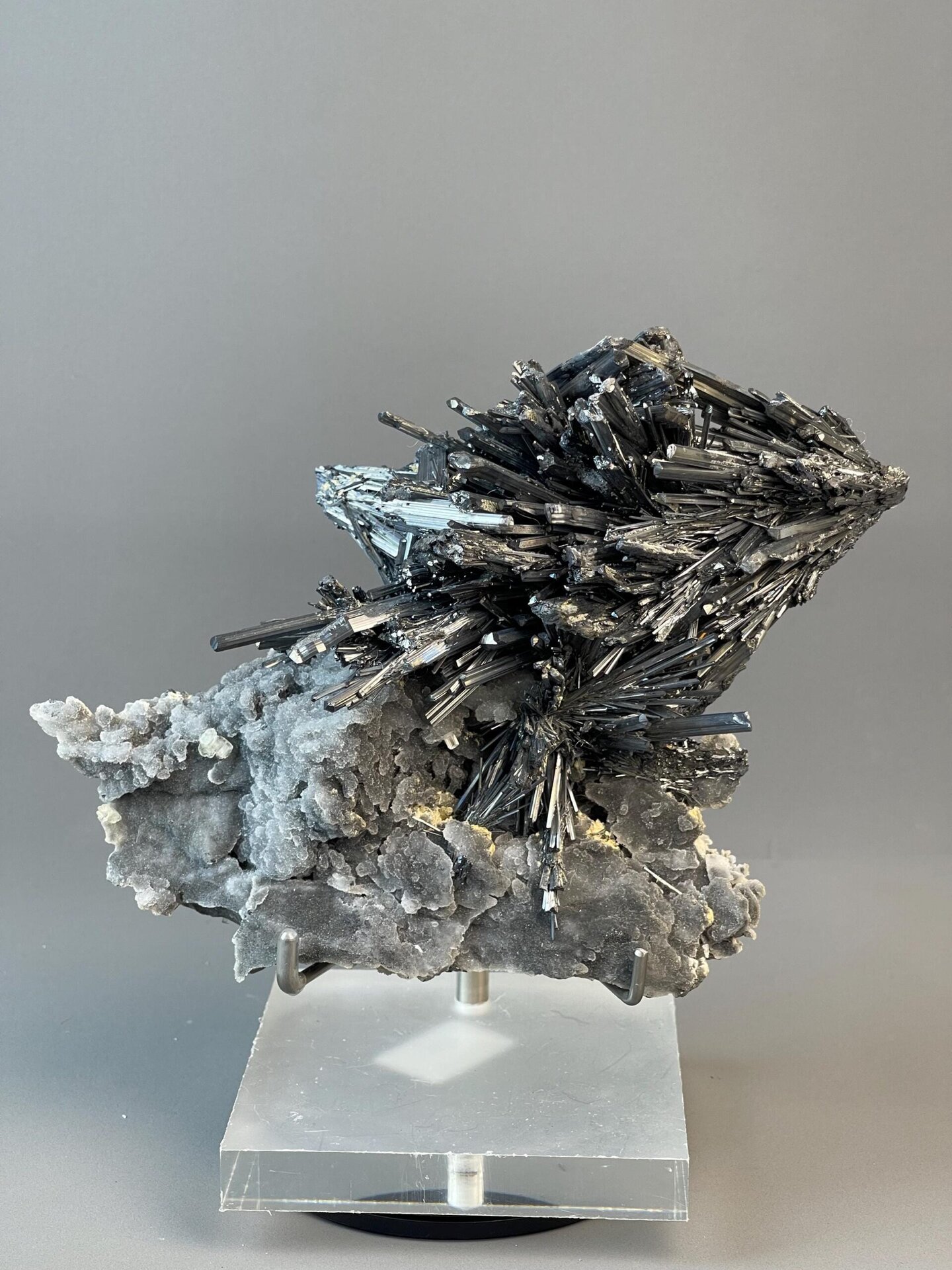
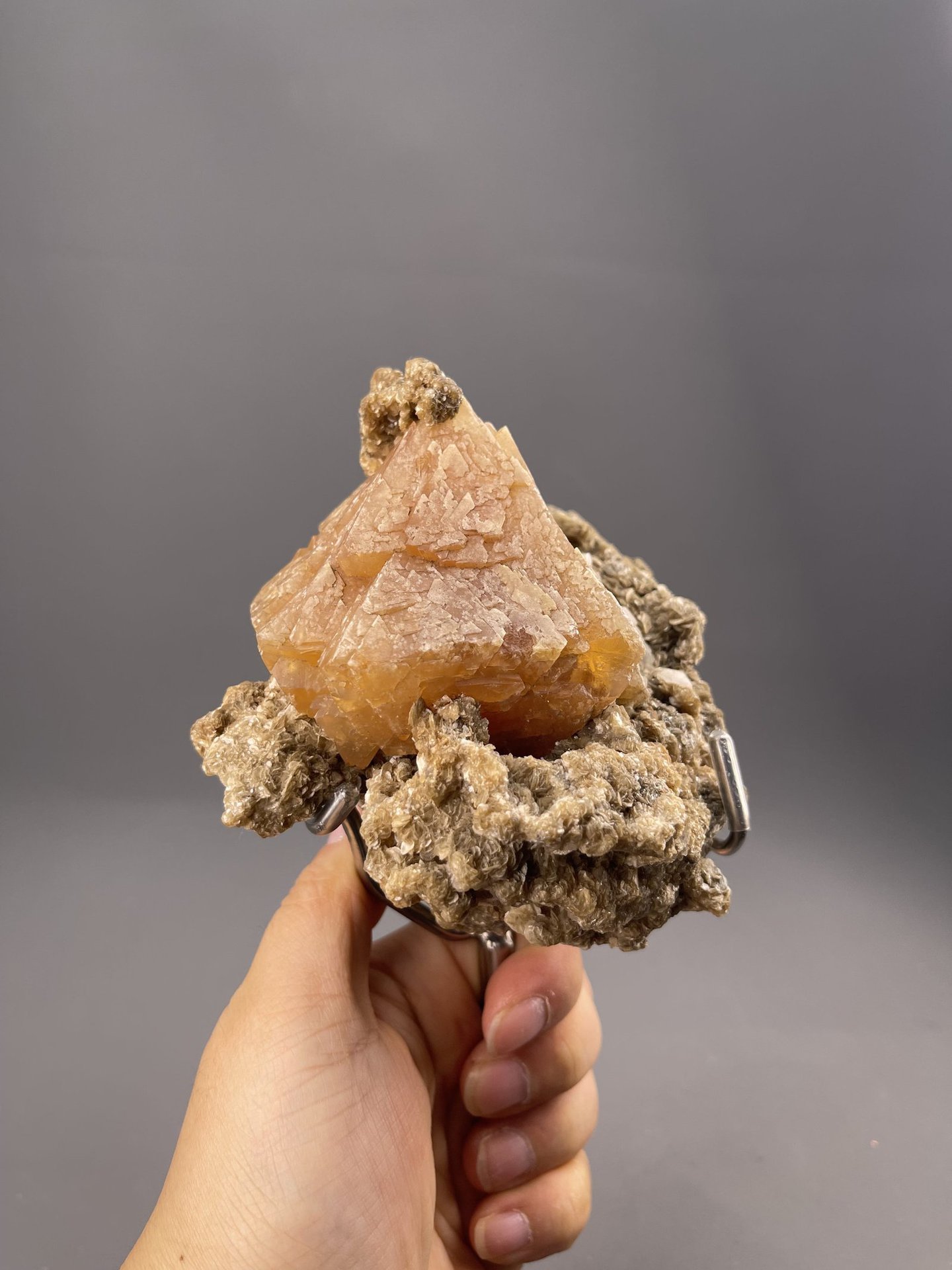
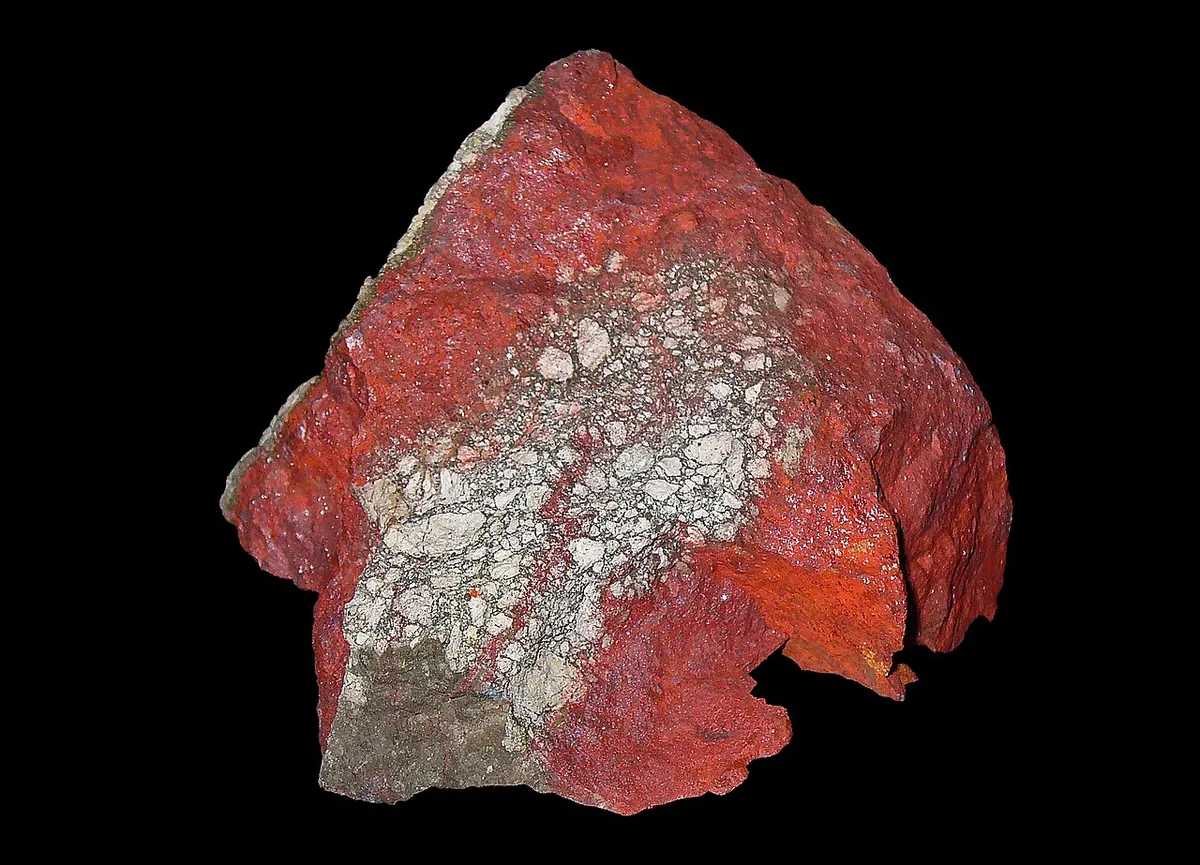
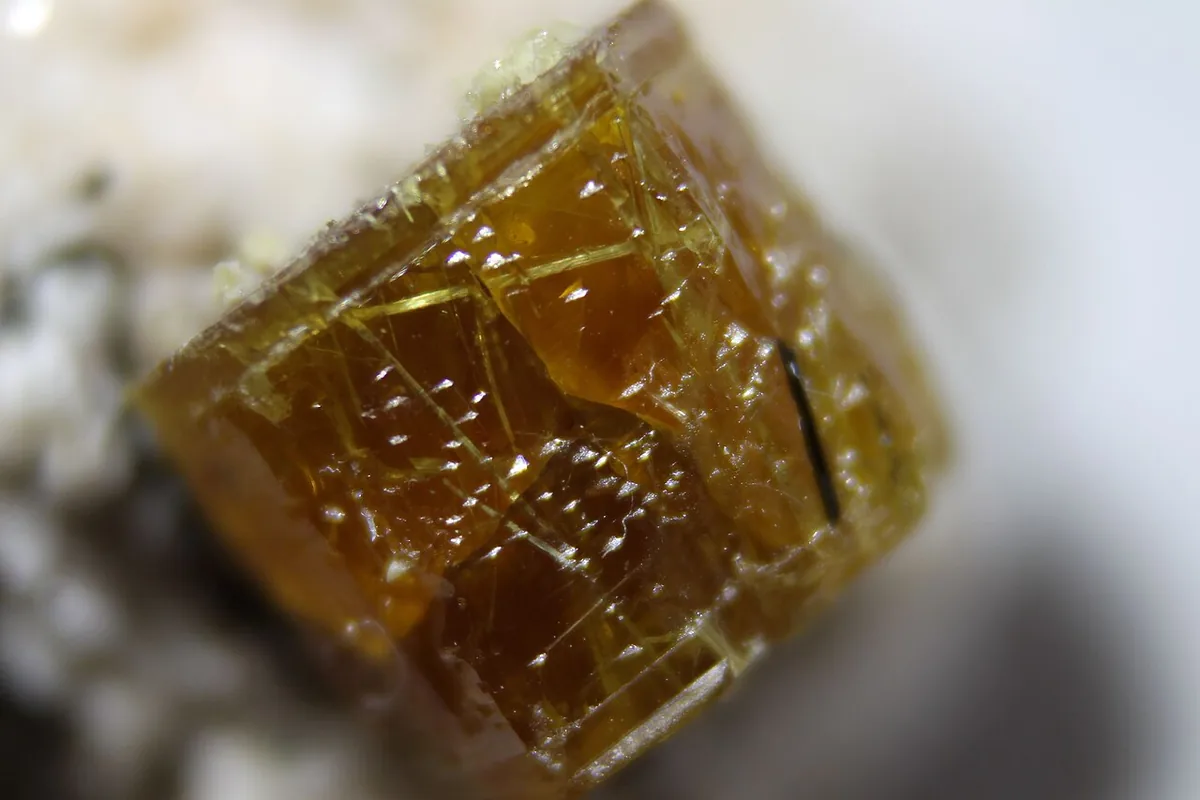
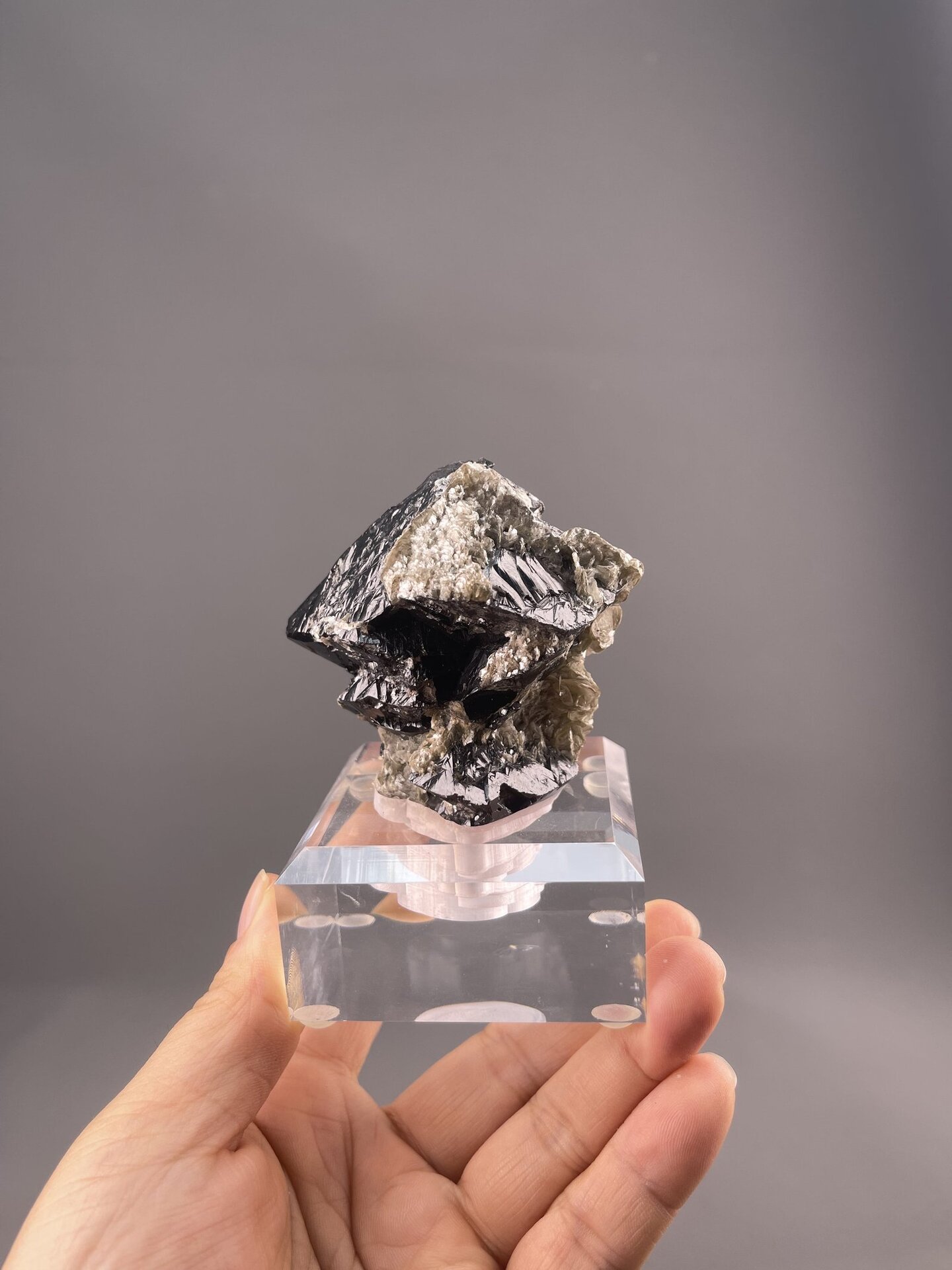
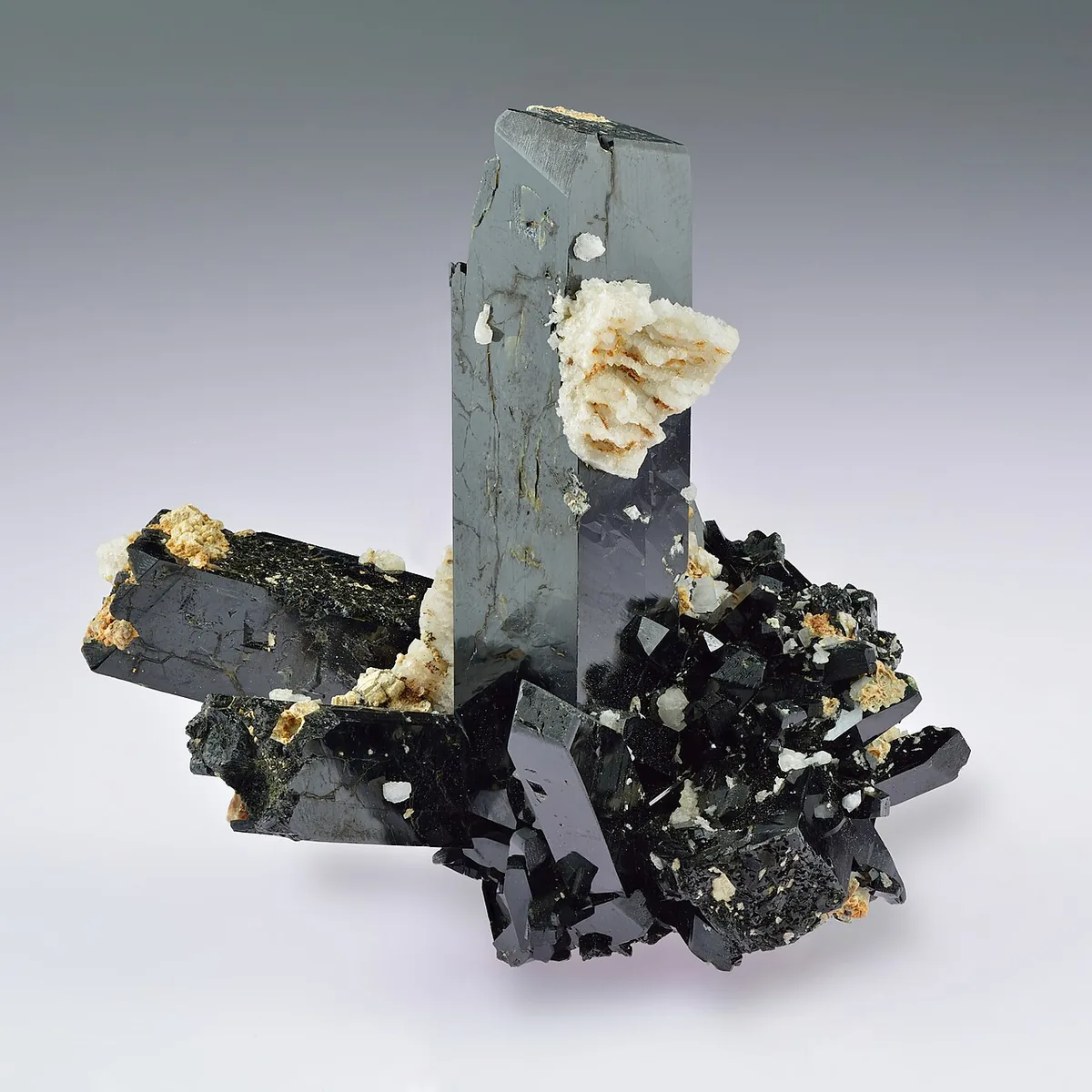
Fluorite is the species most associated with China: the green and purple cubes of Yaogangxian, the stepped “mushroom” and octahedral fluorite of Xianghualing, and the phantom-zoned crystals of Shangbao set the modern global benchmark for the mineral. Alongside it, China is the reference source for bladed stibnite (Xikuangshan / Lengshuijiang), gemmy orange scheelite (Xuebaoding), grass-green pyromorphite (Daoping), red cinnabar (Wanshan), honey-coloured bastnäsite (Maoniuping), and the lustrous black ilvaite and green hedenbergite of the Huanggang skarn.
Hunan is the heartland — fluorite and stibnite above all. Inner Mongolia pairs the world-class Huanggang skarn with the colossal Bayan Obo rare-earth deposit. Guangxi gives the planet's finest pyromorphite at Daoping; Sichuan the scheelite of Xuebaoding and the bastnäsite of Maoniuping; Yunnan the two-thousand-year-old tin district of Gejiu; Guizhou the historic cinnabar of Wanshan. Each region has its own look, and learning to read those locality “signatures” is much of the pleasure of collecting Chinese minerals.
Because the field is young and the supply large, provenance and condition reward attention. A minority of Chinese specimens are cleaned, repaired, or enhanced — standard practice in the trade, but worth understanding before you buy. Our Natural vs Treated Chinese Minerals guide explains what to look for, and How We Source & Verify Localities describes how we photograph the actual piece and describe origin conservatively.
The minerals that define Chinese collecting — and the localities behind them.
New to Chinese minerals? Begin with our buyer’s guide, then browse by locality and species below.
Click any locality for its geology + the specimens currently in stock from there.
Nine provinces with collector-significant mineralogy. Click for the geology + the specimens currently in stock.
High-saturation green and purple cubic Fluorite, often sharply colour-zoned, plus fine Pyrite. The Shizhuyuan W-Sn-Mo-Bi district and Tongbei Mine are the best-known sources, and the finest Fujian fluorites rival the classic Hunan material on colour and crystal sharpness.
Home to Daoping, the world's premier locality for grass-green Pyromorphite, and to the Sn-polymetallic Dachang ore field near Nandan. Guangxi also yields fine secondary copper minerals and well-crystallised sulfides — its pyromorphite is among the most sought-after of all Chinese specimens.
Famed for the historic Wanshan mercury district — China's "Mercury Capital" and a classic source of red Cinnabar on white dolomite — and for Tianzhu-style blue-cap and colour-zoned Fluorite. Antimony deposits such as Qinglong add fine Stibnite combinations.
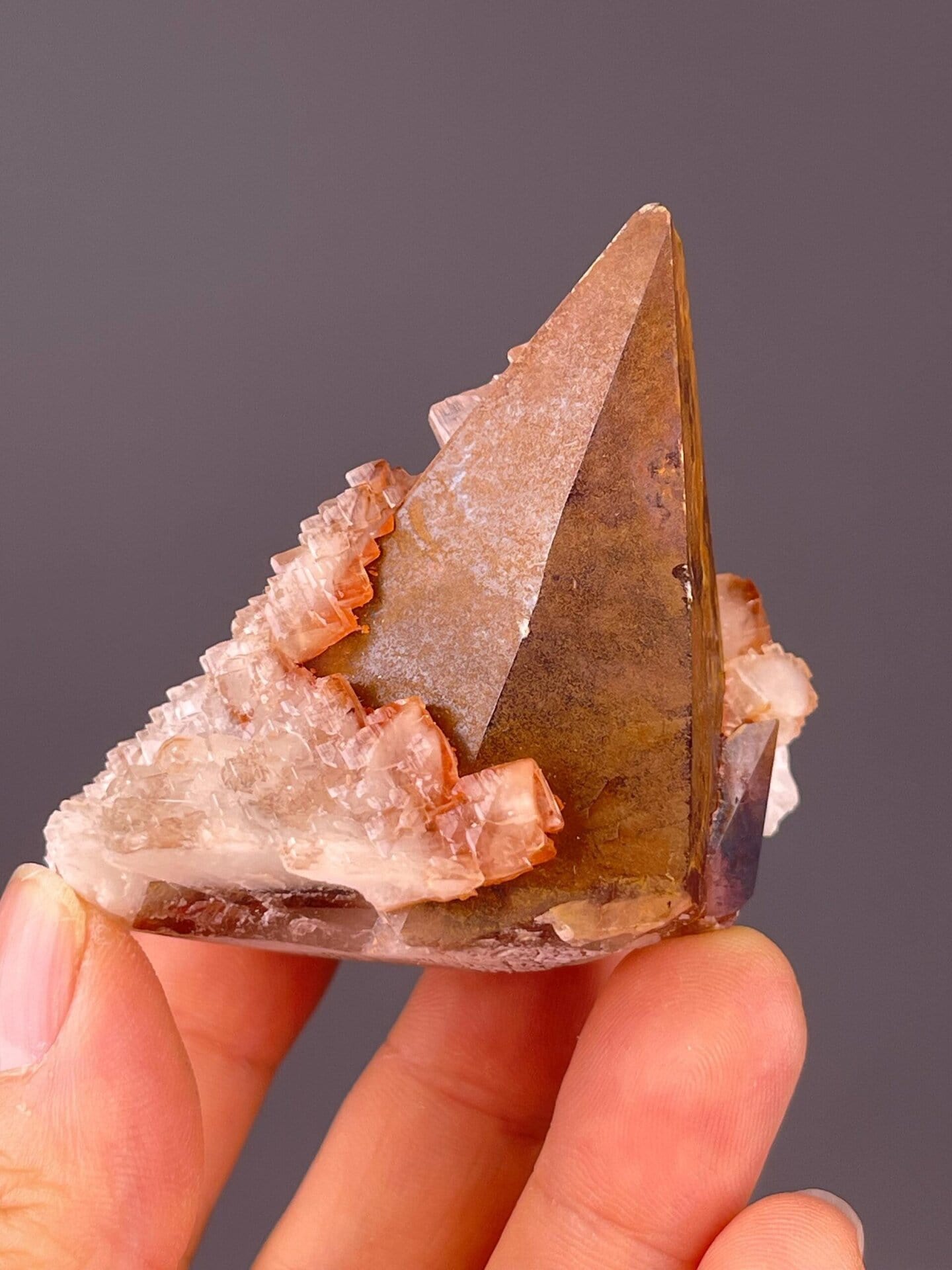
Classic Chinese skarn territory. The Daye district (Huangshi) and Tonglushan produce collector-grade Calcite, Malachite, Pyrite, and Chalcopyrite — including the well-known grey Calcite-on-Pyrite plates of Daye. One of China's oldest mining regions, worked since the Bronze Age at Tonglushan.
China's mineral heartland. Yaogangxian, Xianghualing, and Shangbao set the global benchmark for Fluorite, while Xikuangshan (Lengshuijiang) is the world's largest Antimony deposit and the reference source for bladed Stibnite. Add Wolframite, Scheelite, and Calcite from the Nanling W-Sn belt and Hunan largely defines what "Chinese minerals" means.
Hosts Bayan Obo — the world's largest rare-earth deposit — plus the prolific Huanggang iron-tin skarn, one of the great modern collector localities for lustrous black Ilvaite, green Hedenbergite, Andradite garnet, and Fluorite. A region of geological extremes, from carbonatite REE to classic skarn.
World-class Tungsten and rare-earth country. The giant Dexing porphyry copper mine yields honey-golden Barite and Chalcopyrite, while the W-Sn deposits and Yichun produce Scheelite, Wolframite, and distinctive Fluorites — one of China's most important metallogenic provinces.
Home to Xuebaoding (Mt Pingwu), the world's premier source of gemmy orange Scheelite, Cassiterite, and pink Beryl, and to Maoniuping, a major rare-earth deposit famed for honey Bastnäsite and black Aegirine. High-altitude skarn and carbonatite at their finest.
Centred on Gejiu, the "Tin Capital of the World" and a 2,000-year-old Sn-polymetallic district yielding Cassiterite, Fluorite, and fine Calcite. Yunnan also produces rare secondary copper phosphates and volcanic-hosted minerals from the Tengchong and Pulang areas.
Forty-two collector-significant mines across China. Underlined names link to the detailed locality page.
 Bayan Obo Mine白云鄂博INNER MONGOLIA
 Changning Fluorite Field常宁萤石矿HUNAN
 Daoping Mine道平铅锌矿GUANGXI
 Daye District大冶HUBEI
 Fankou Pb-Zn Mine凡口铅锌矿GUANGDONG
 Gejiu Mine个旧锡矿YUNNAN
 Hetian (Khotan) Jade District和田玉矿区XINJIANG
 Huanggang Mine黄岗梁铁锡矿INNER MONGOLIA
 Maoniuping REE Mine牦牛坪稀土矿SICHUAN
 Mengyin Diamond Mine蒙阴金刚石矿SHANDONG
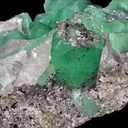 Pingwu Mine平武矿SICHUAN
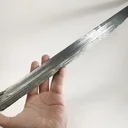 Qinglong Sb-Au Mine晴隆锑矿GUIZHOU
 Shangbao Mine上堡矿HUNAN
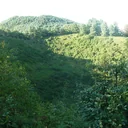 Tengchong Volcanic Field腾冲火山区YUNNAN
 Tongbai Mountains Mining District桐柏山矿区HENAN
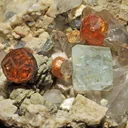 Tongbei Mine桐柏矿FUJIAN
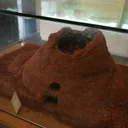 Tonglüshan Bronze-Age Cu Mine铜绿山古矿HUBEI
 Wafangdian Diamond Mine瓦房店金刚石矿LIAONING
 Wanshan Mine万山汞矿GUIZHOU
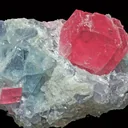 Wuzhou Mine梧州矿GUANGXI
 Xianghualing Mine香花岭HUNAN
 Xikuangshan Antimony Mine锡矿山锑矿HUNAN
 Xuebaoding Mine雪宝顶SICHUAN
 Yaogangxian Mine瑶岗仙矿HUNAN
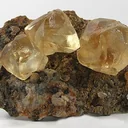 Yongping Mine永平铜矿JIANGXI
Thumbnails for mines without a dedicated locality page use freely-licensed photographs from Wikimedia Commons, hand-checked for correct provenance. Specimen and site photos: Pingwu (emerald) — Parent Géry, Public domain (source); Wuzhou (rhodochrosite) — Parent Géry, CC BY-SA 3.0 (source); Tongbei (spessartine) — Parent Géry, CC BY-SA 3.0 (source); Changning (sphalerite) — Robert M. Lavinsky, CC BY-SA 3.0 (source); Qinglong (stibnite) — Robert M. Lavinsky, CC BY-SA 3.0 (source); Tongbai (native silver) — Parent Géry, CC BY-SA 3.0 (source); Yongping (calcite) — Robert M. Lavinsky, CC BY-SA 3.0 (source); Tonglüshan (mine site) — Huanokinhejo, CC BY-SA 4.0 (source); Tengchong (volcano) — STW932, CC BY-SA 4.0 (source). The Mengyin diamond-pit photo is credited on its locality page.
Every species catalogued from Chinese localities — in-stock specimens first, reference entries follow. Click any card for the full encyclopedia page.
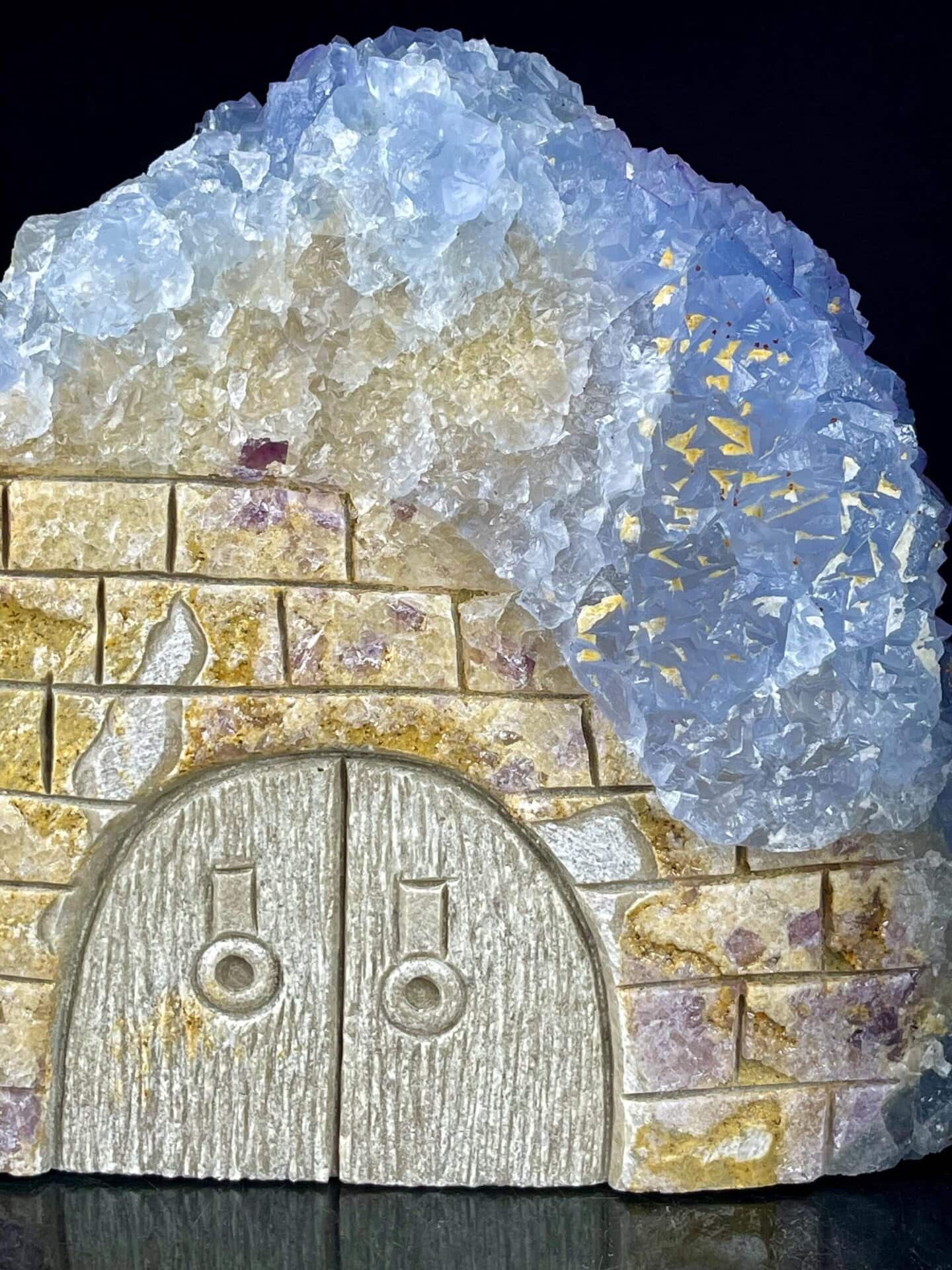
Calcium fluoride; cubic crystal habit, a wide colour range.
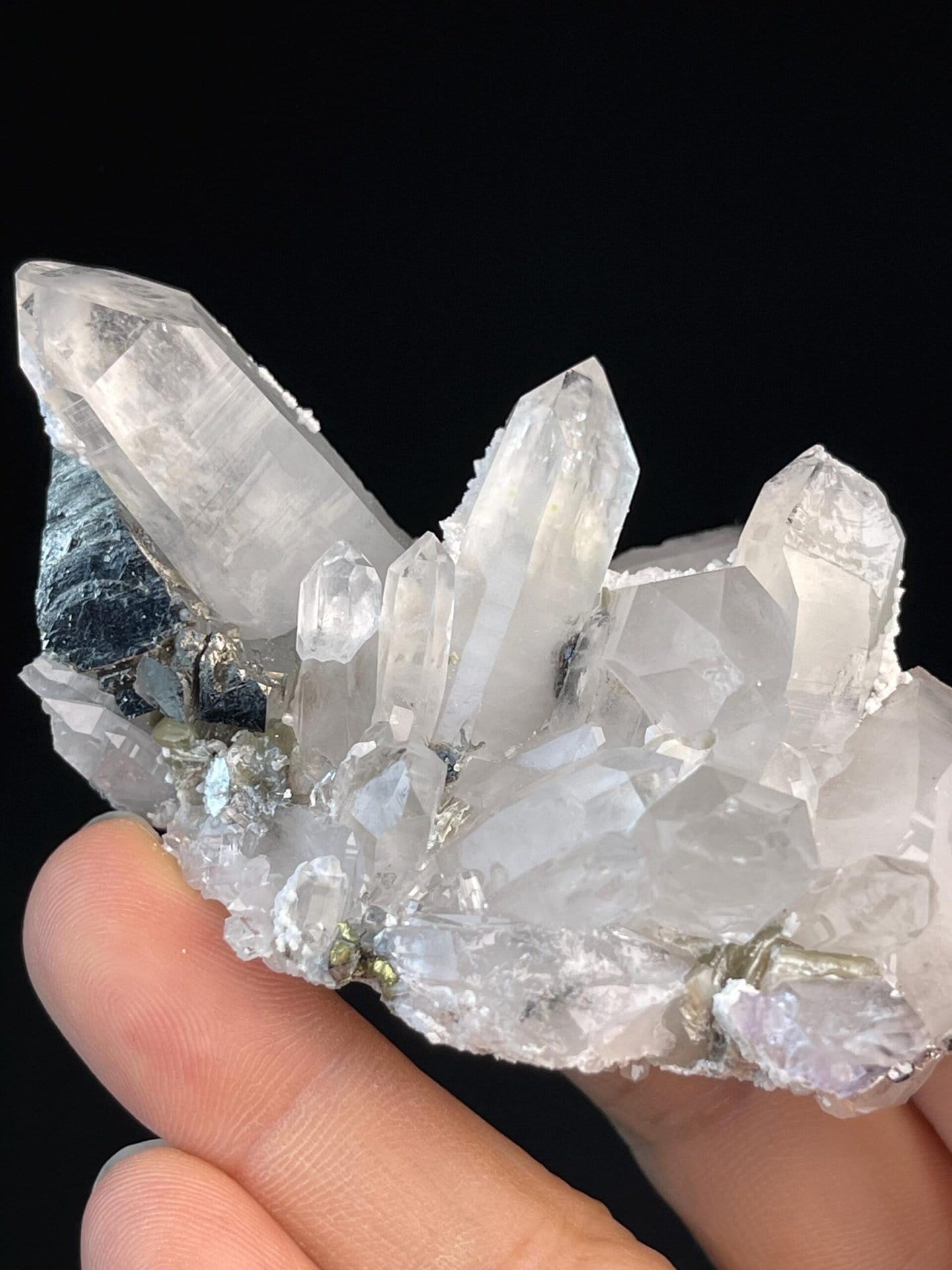
Calcium carbonate, the most common carbonate mineral; trigonal/hexagonal.
Silicon dioxide; the second-most-abundant mineral in Earth's crust, trigonal.
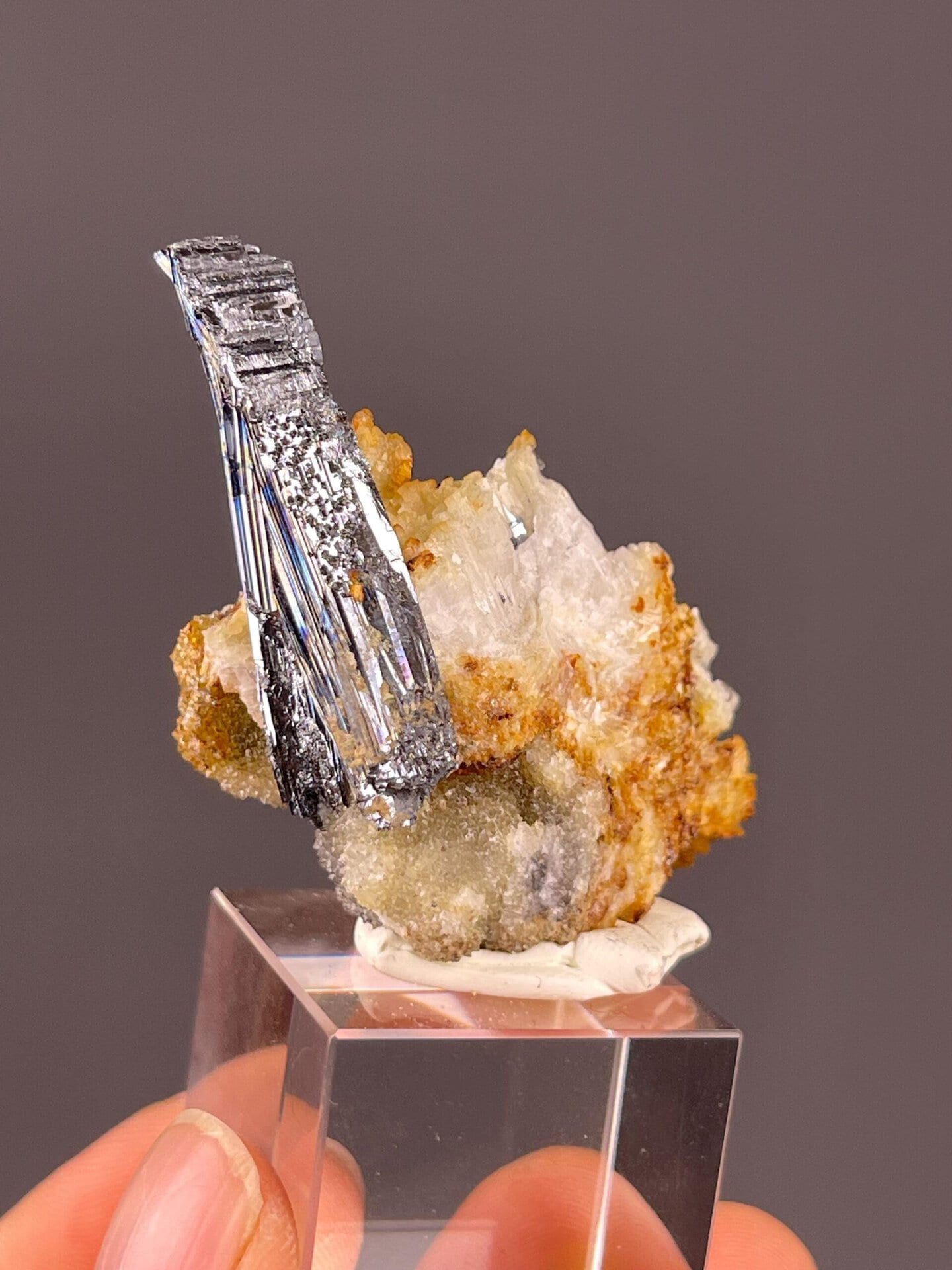
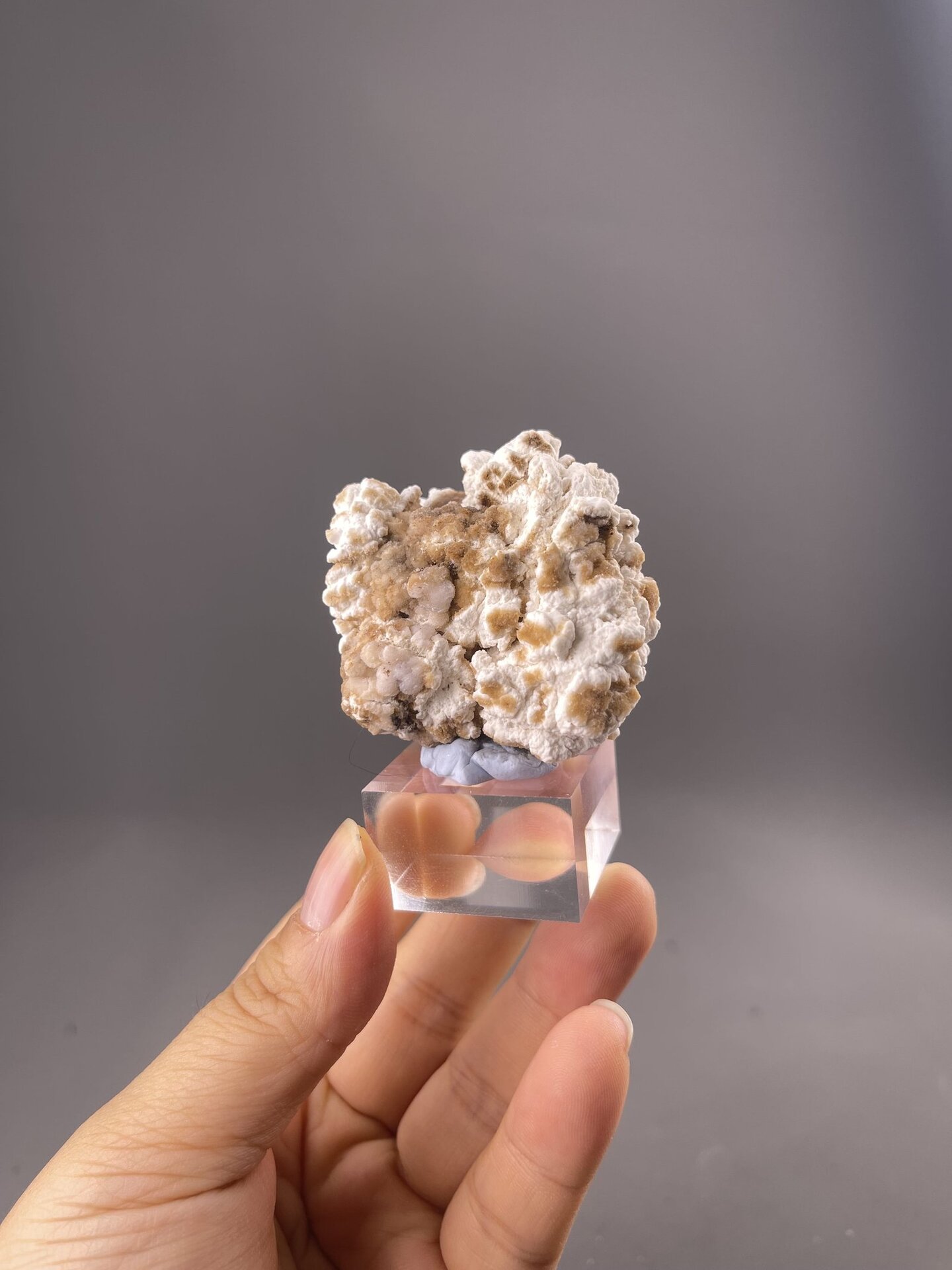
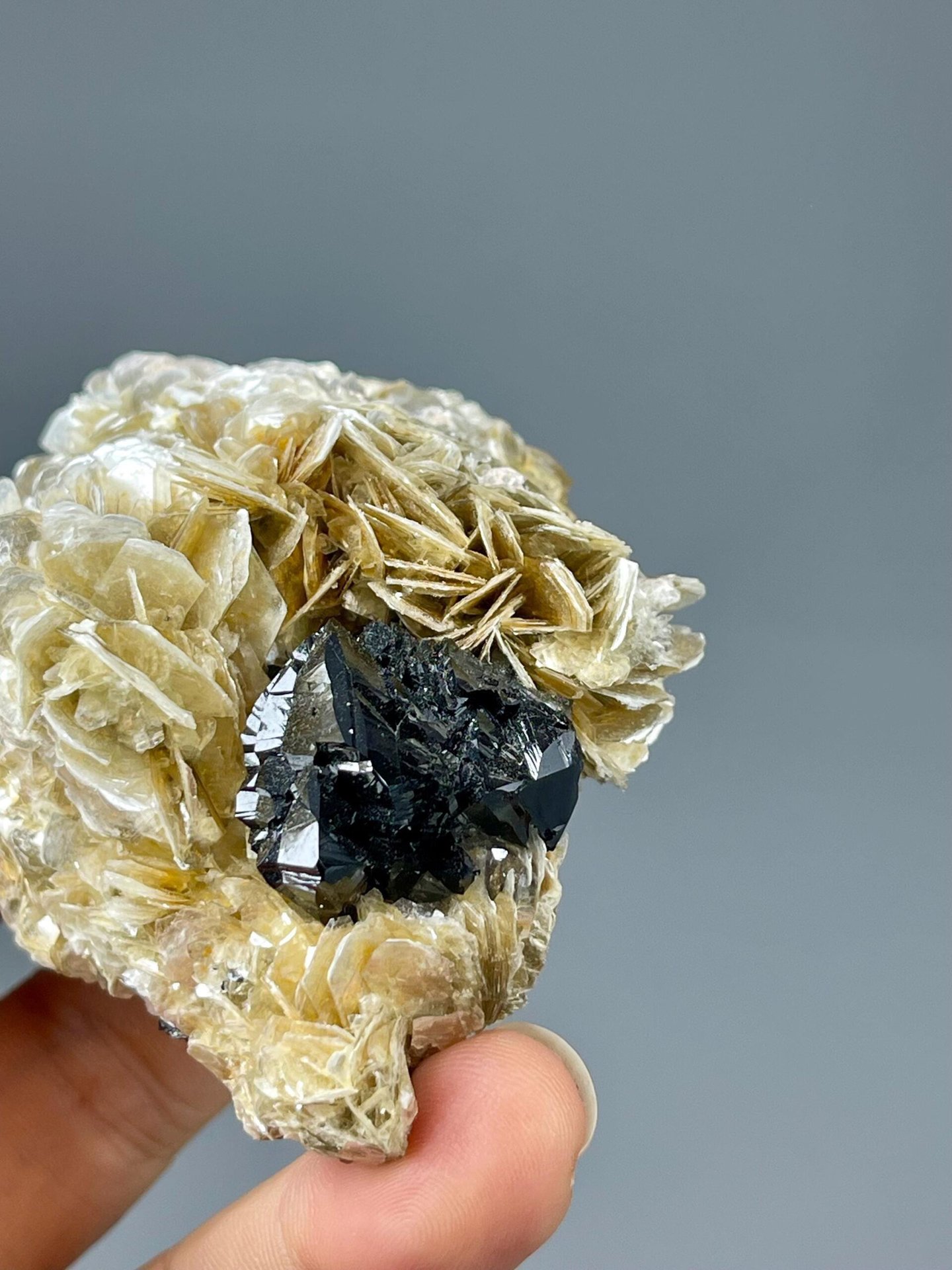
Tin oxide, the principal ore of tin; tetragonal.
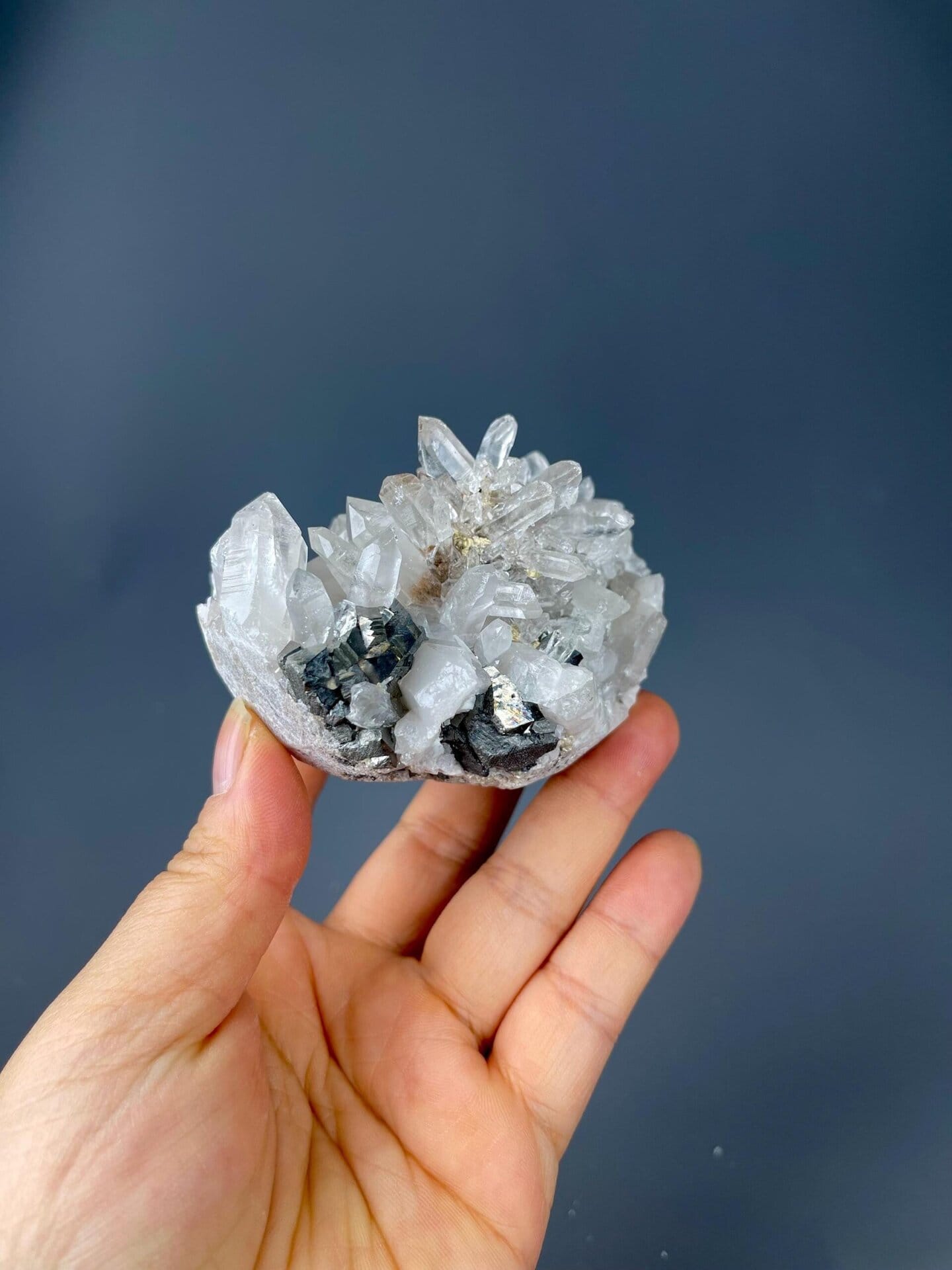
Iron sulfide, brass-yellow metallic, isometric ("fool's gold").
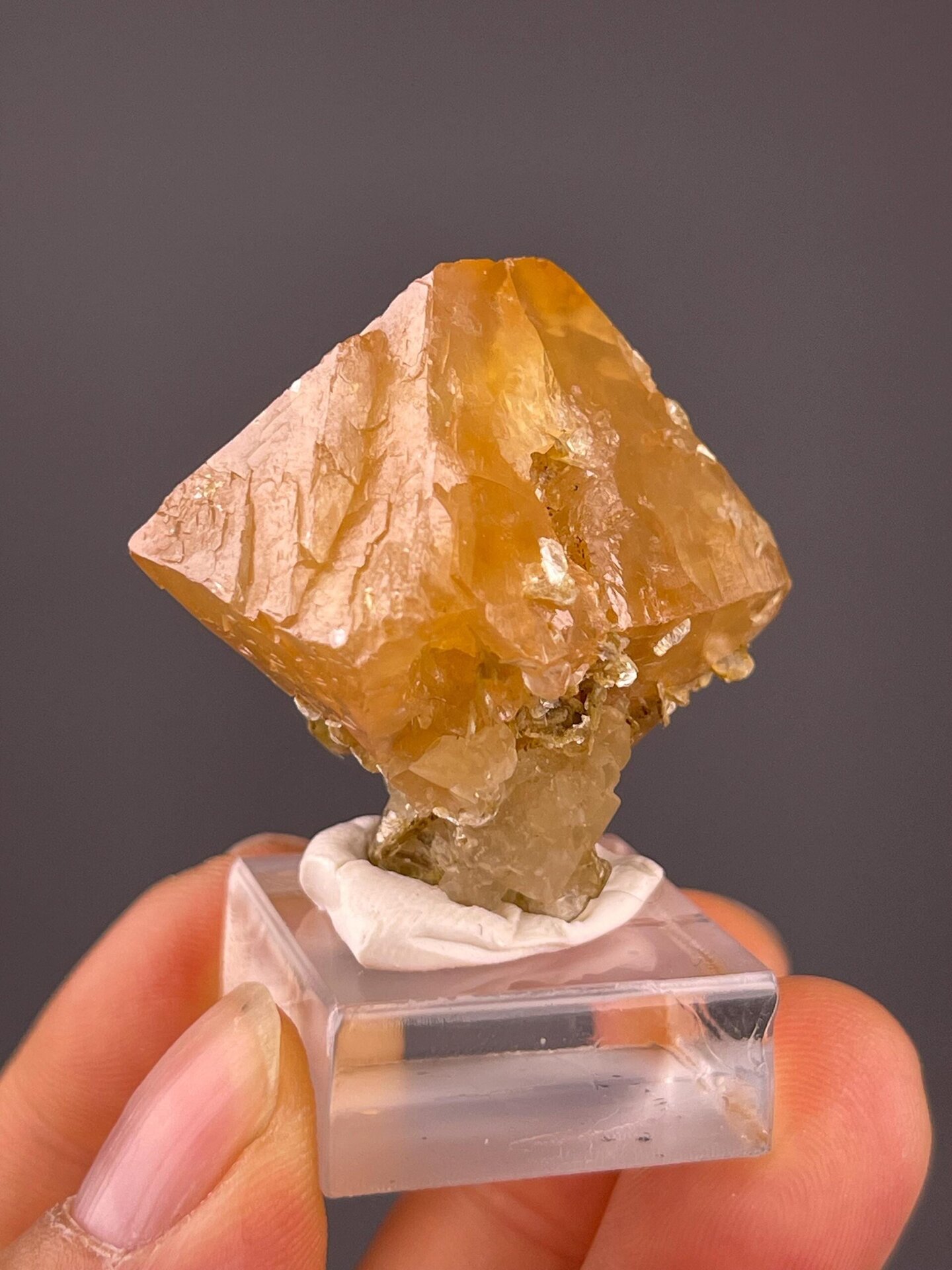
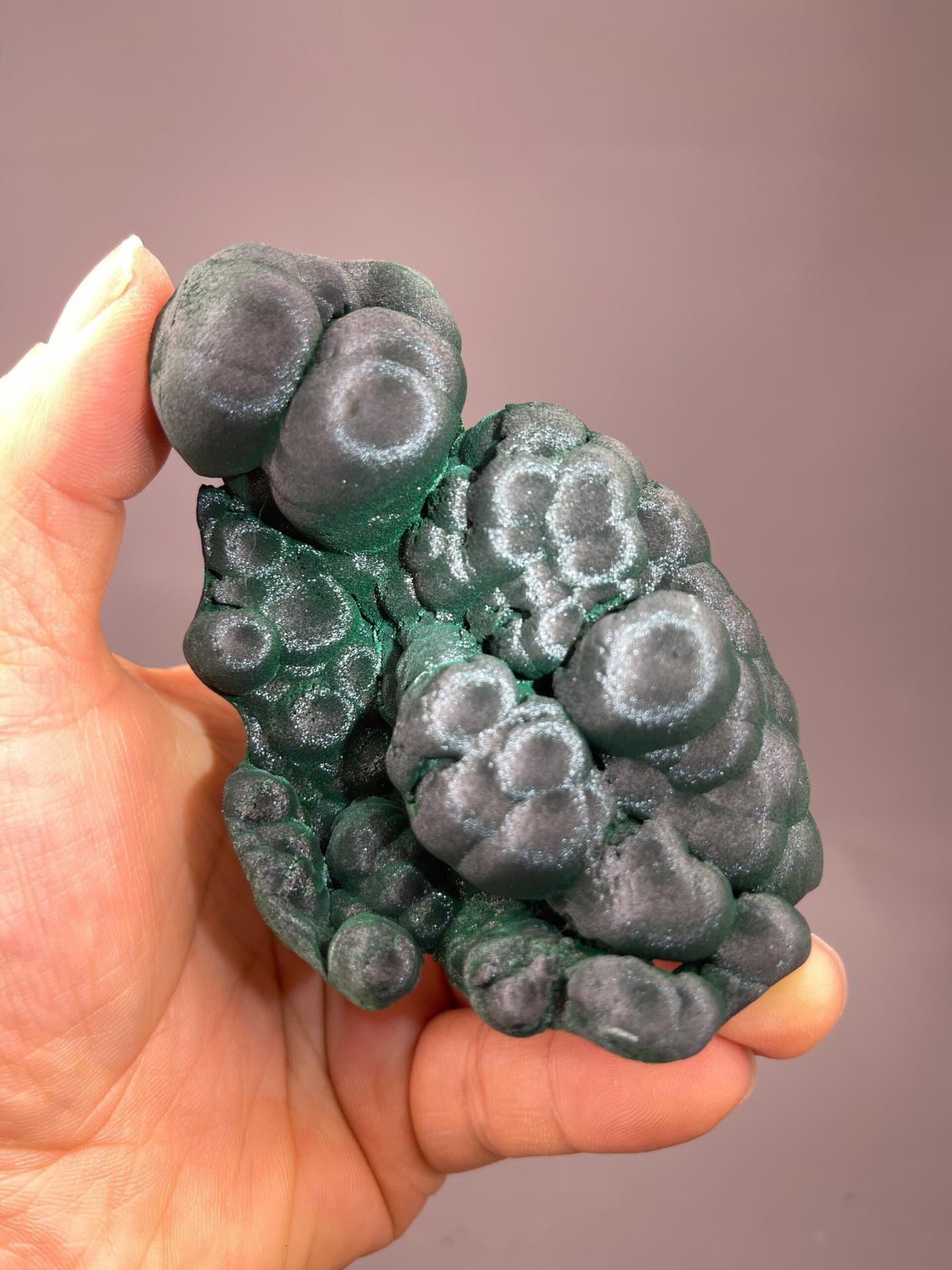
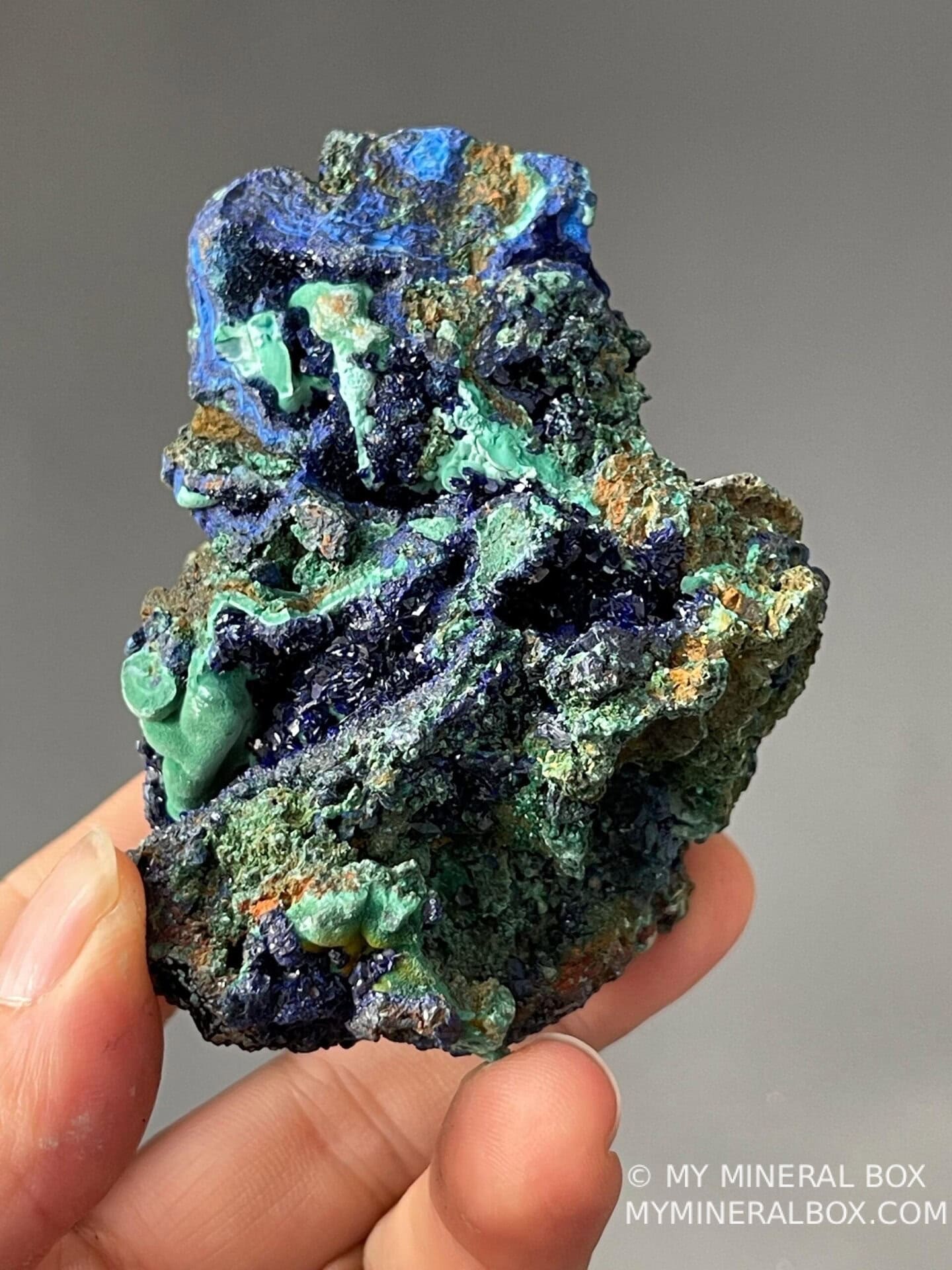
Hydrous copper carbonate, deep blue, monoclinic. Often paired with malachite.
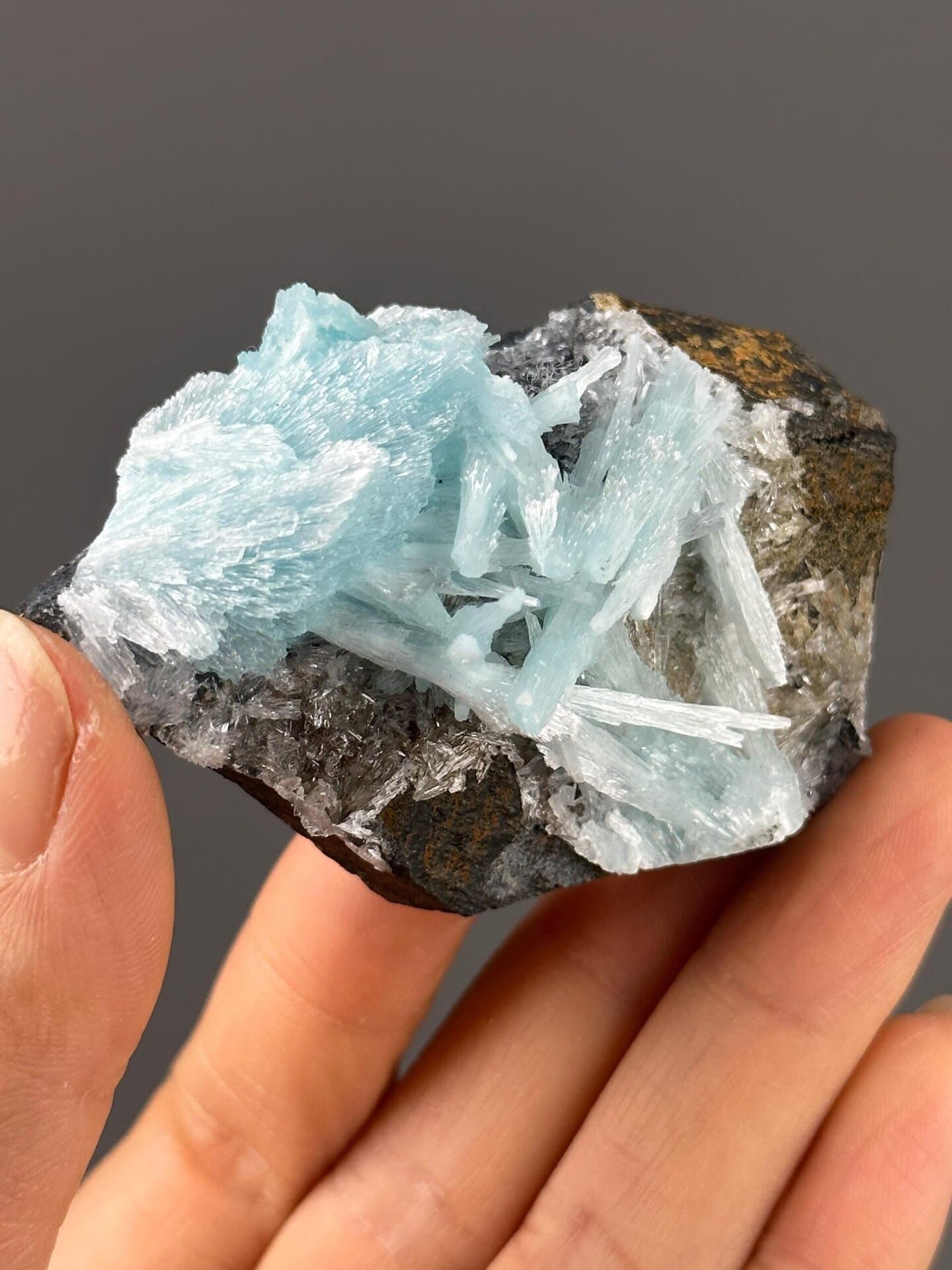
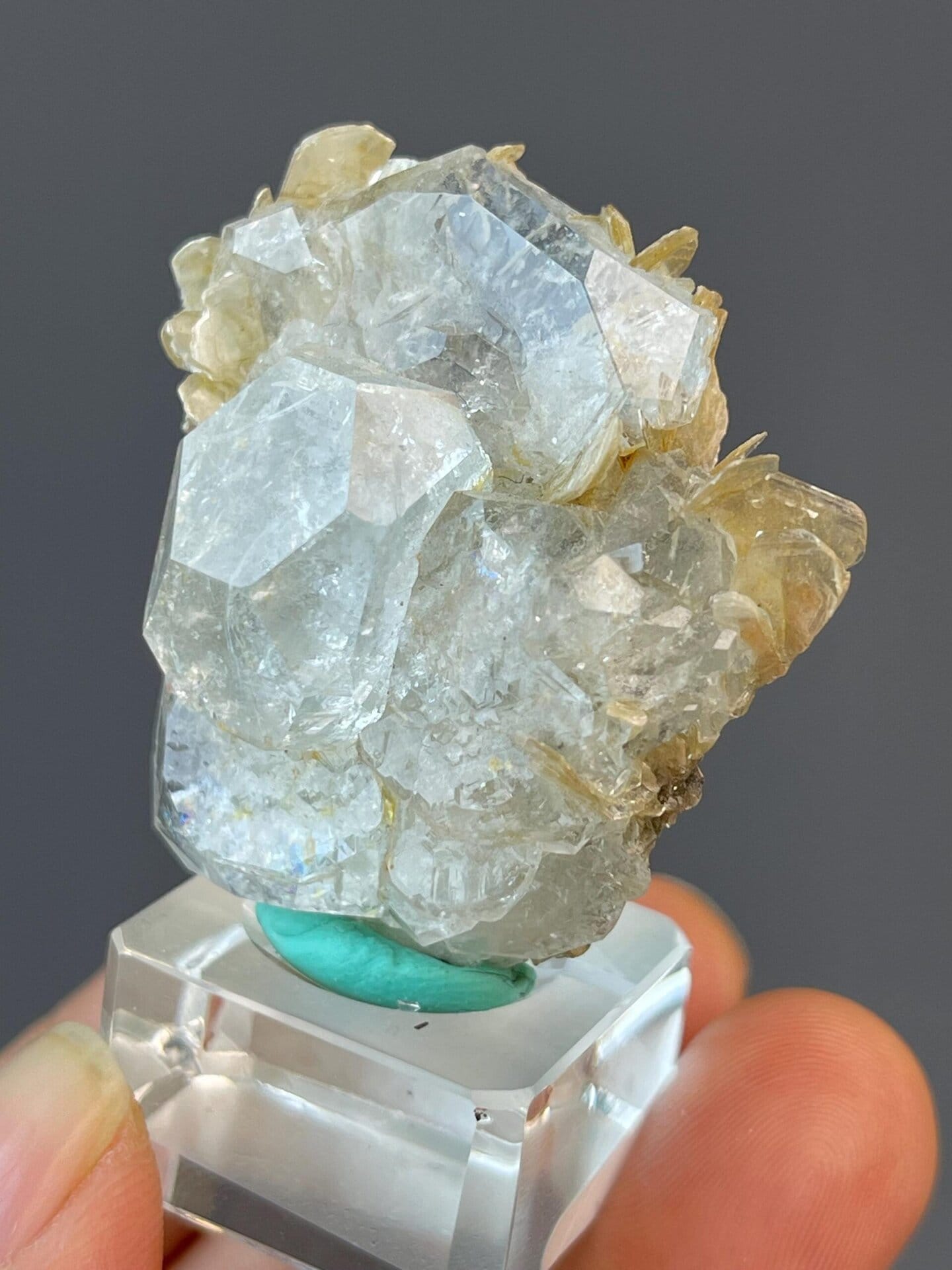
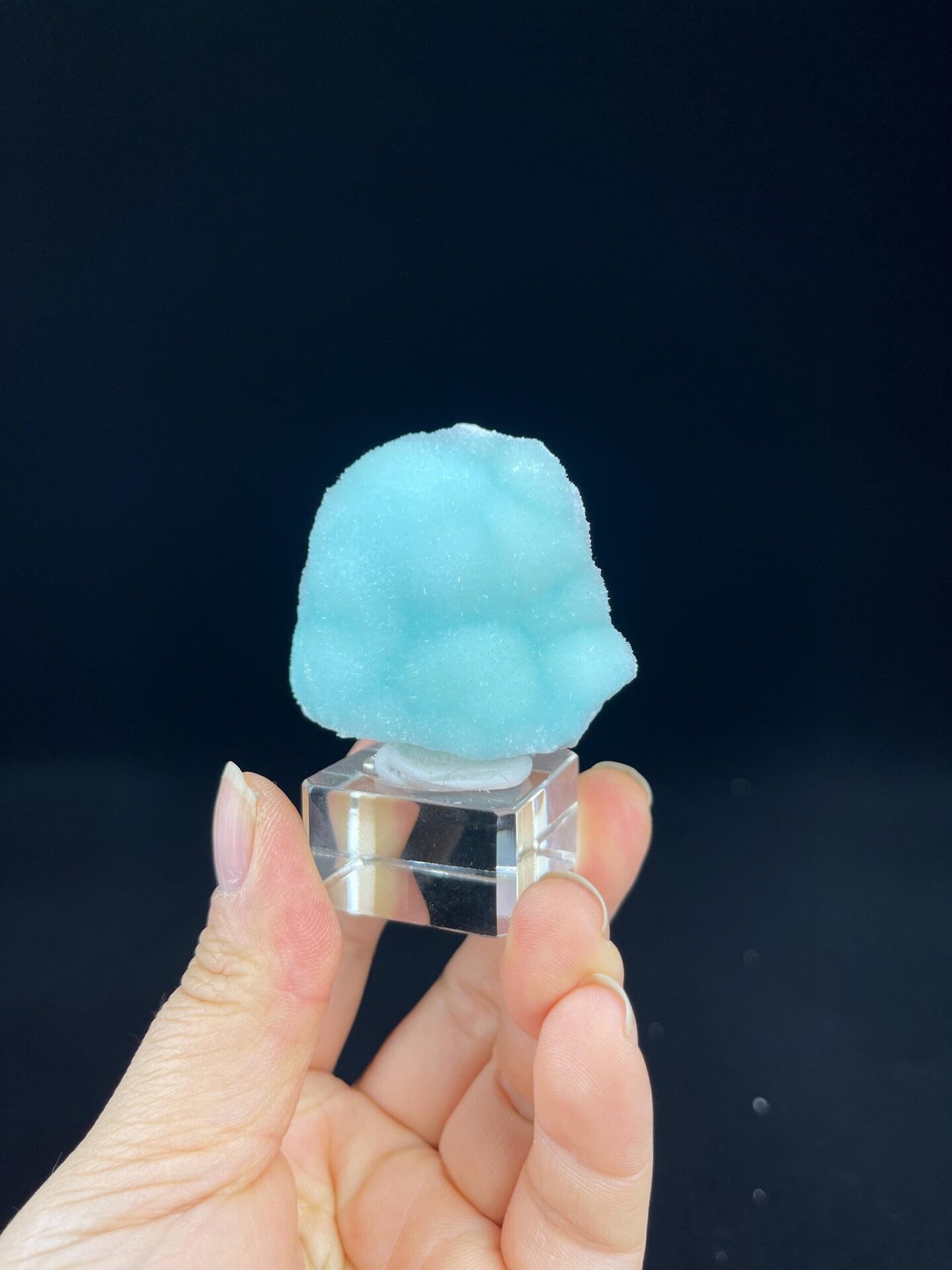
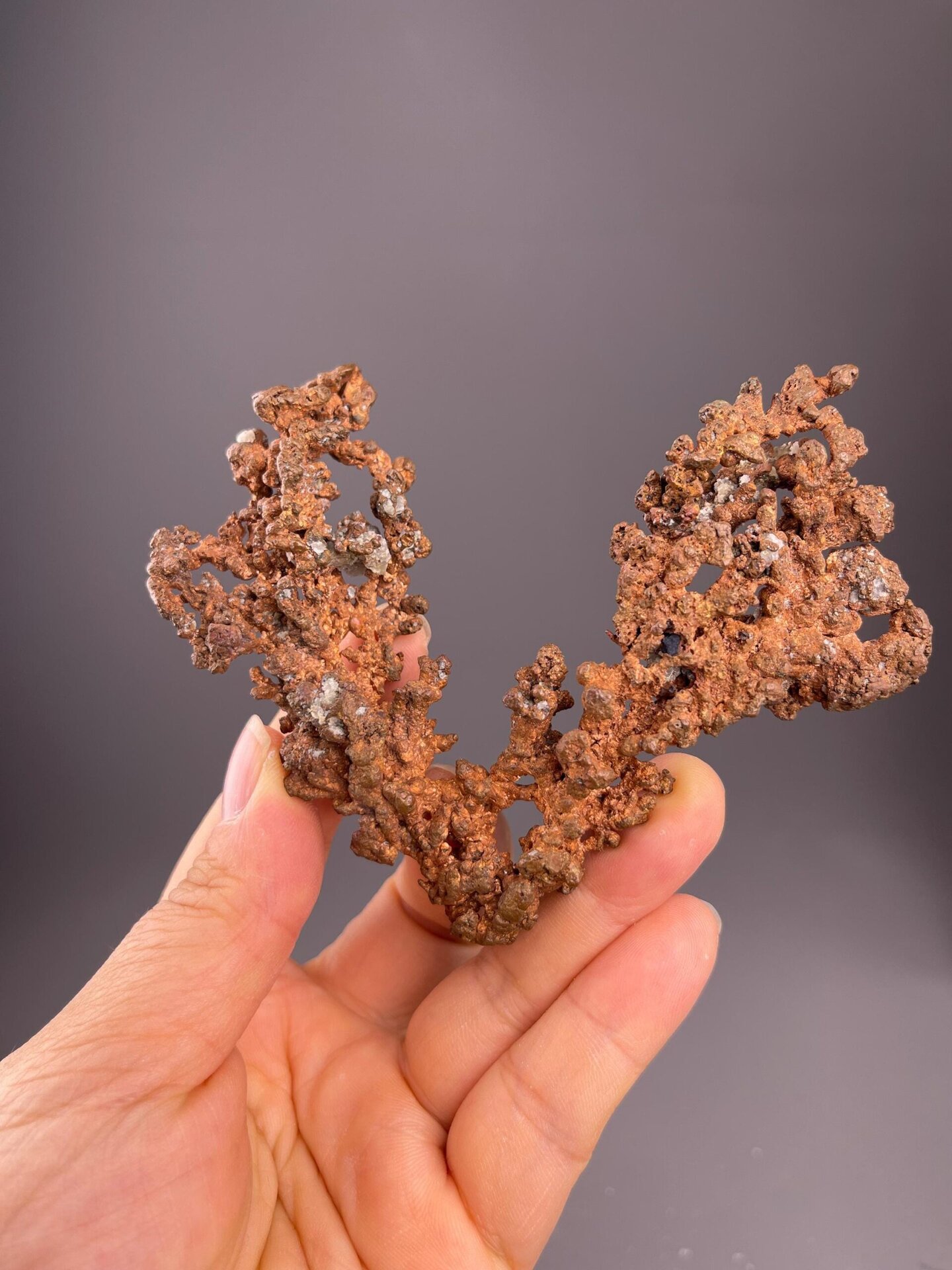
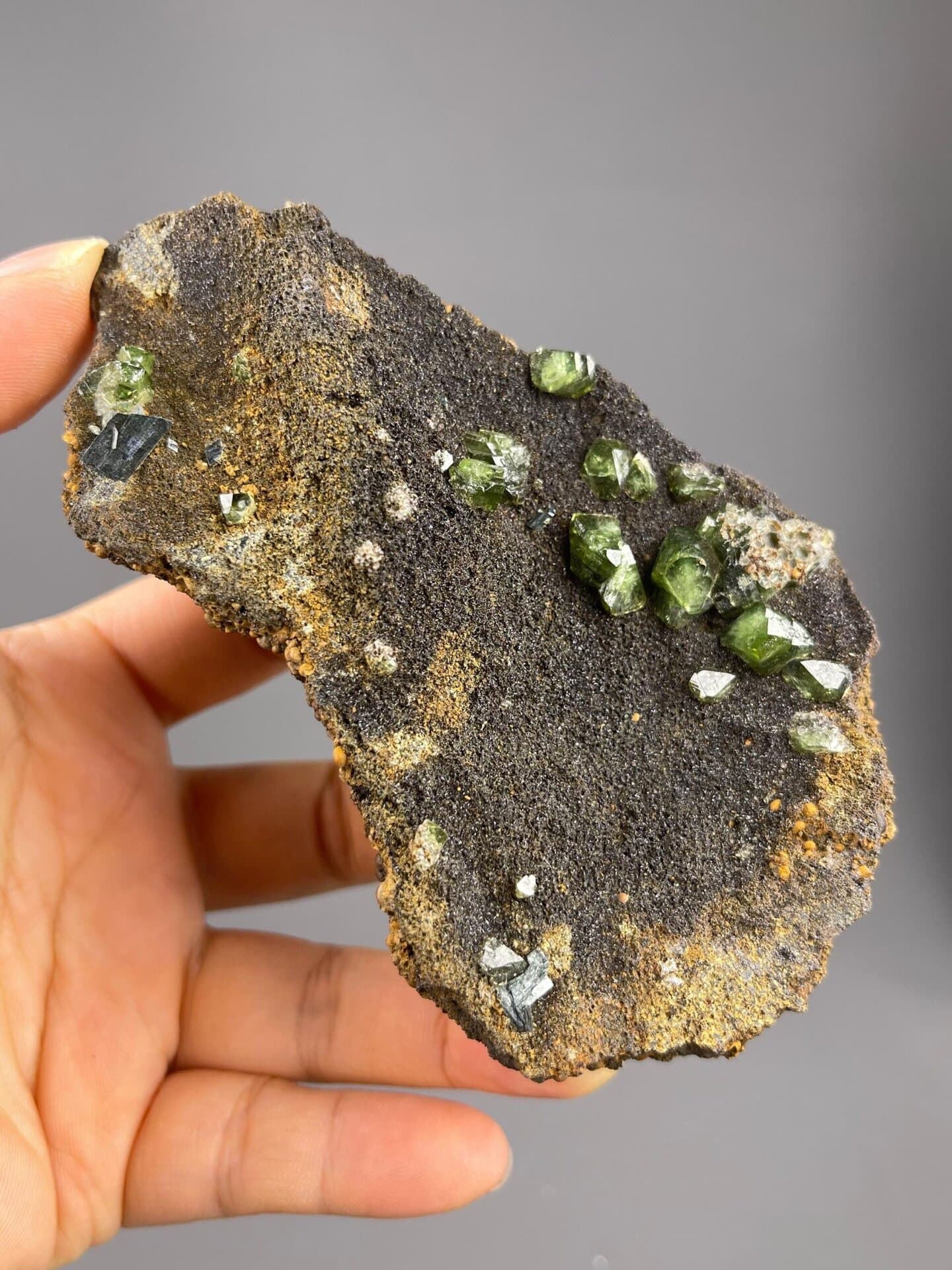
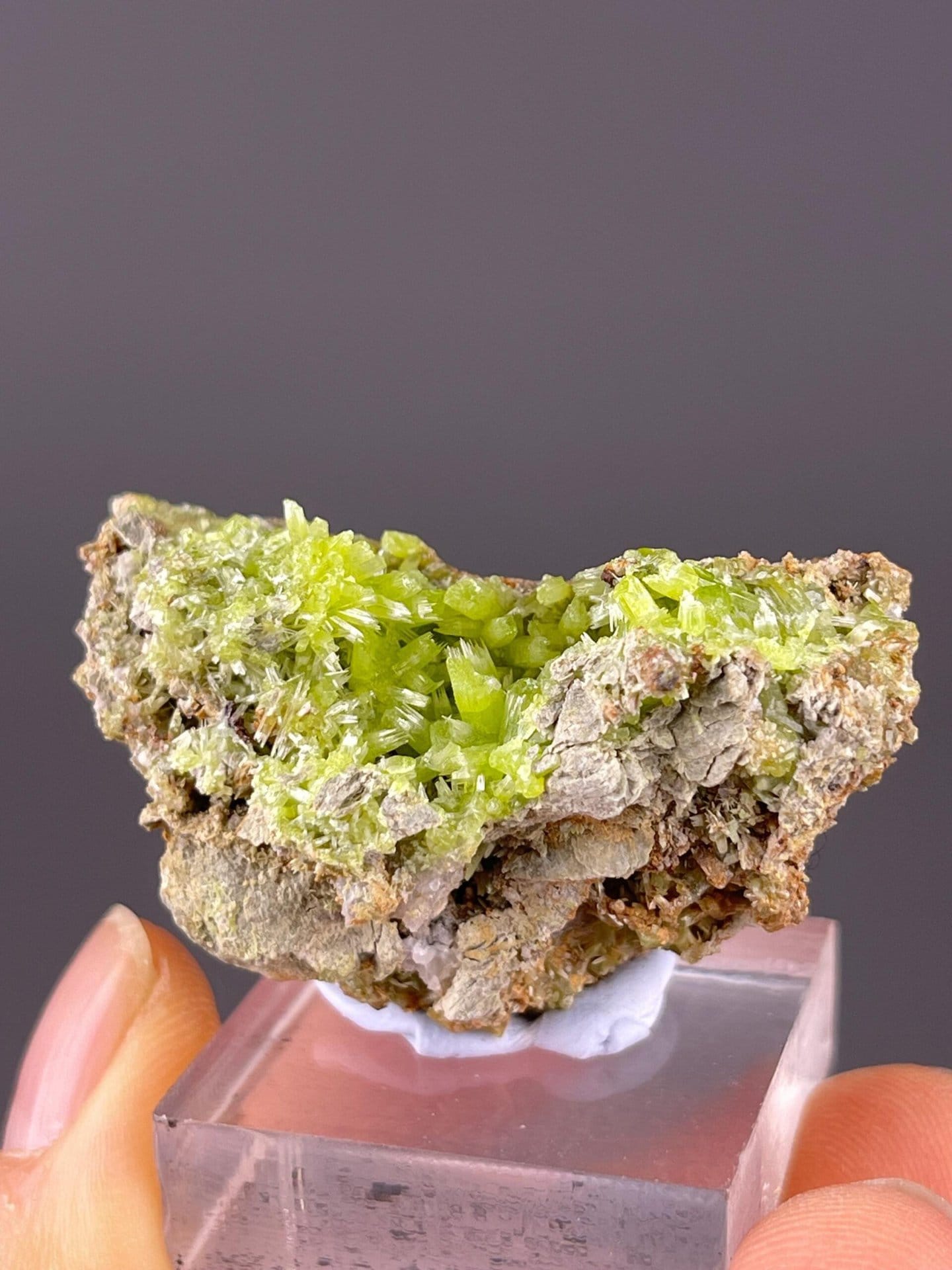
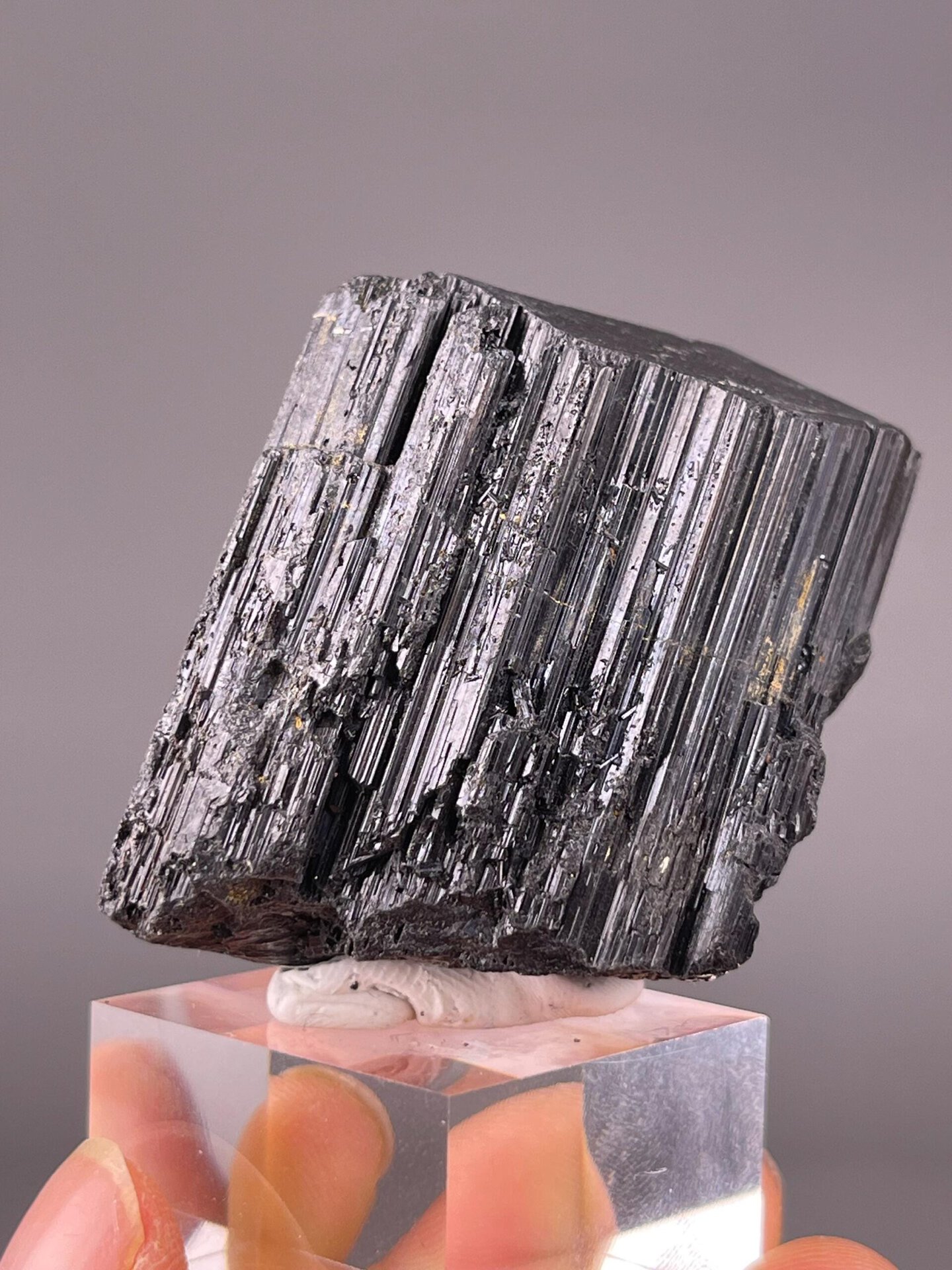
Complex borosilicate, trigonal; many colour species (schorl, elbaite, etc.).
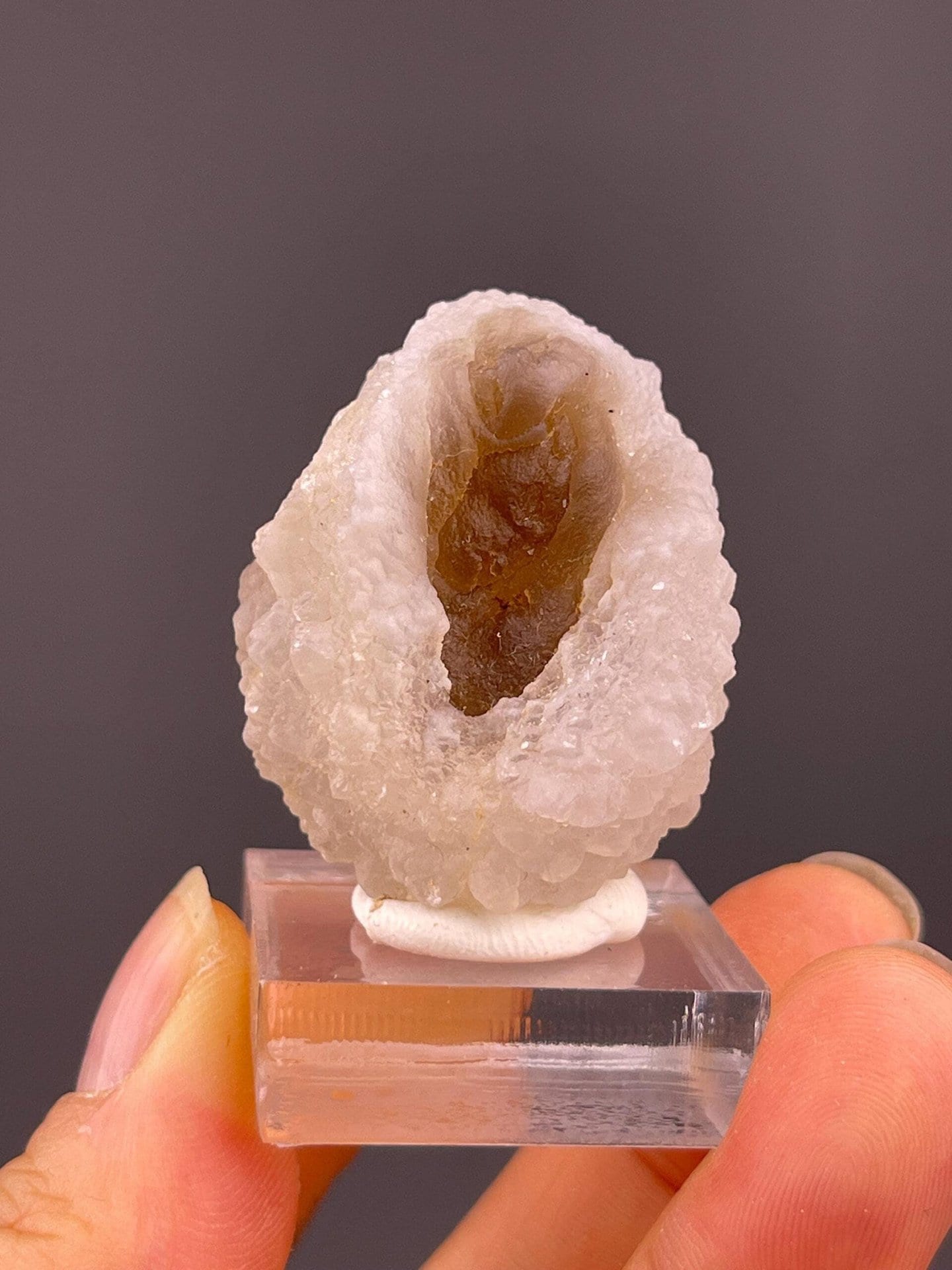
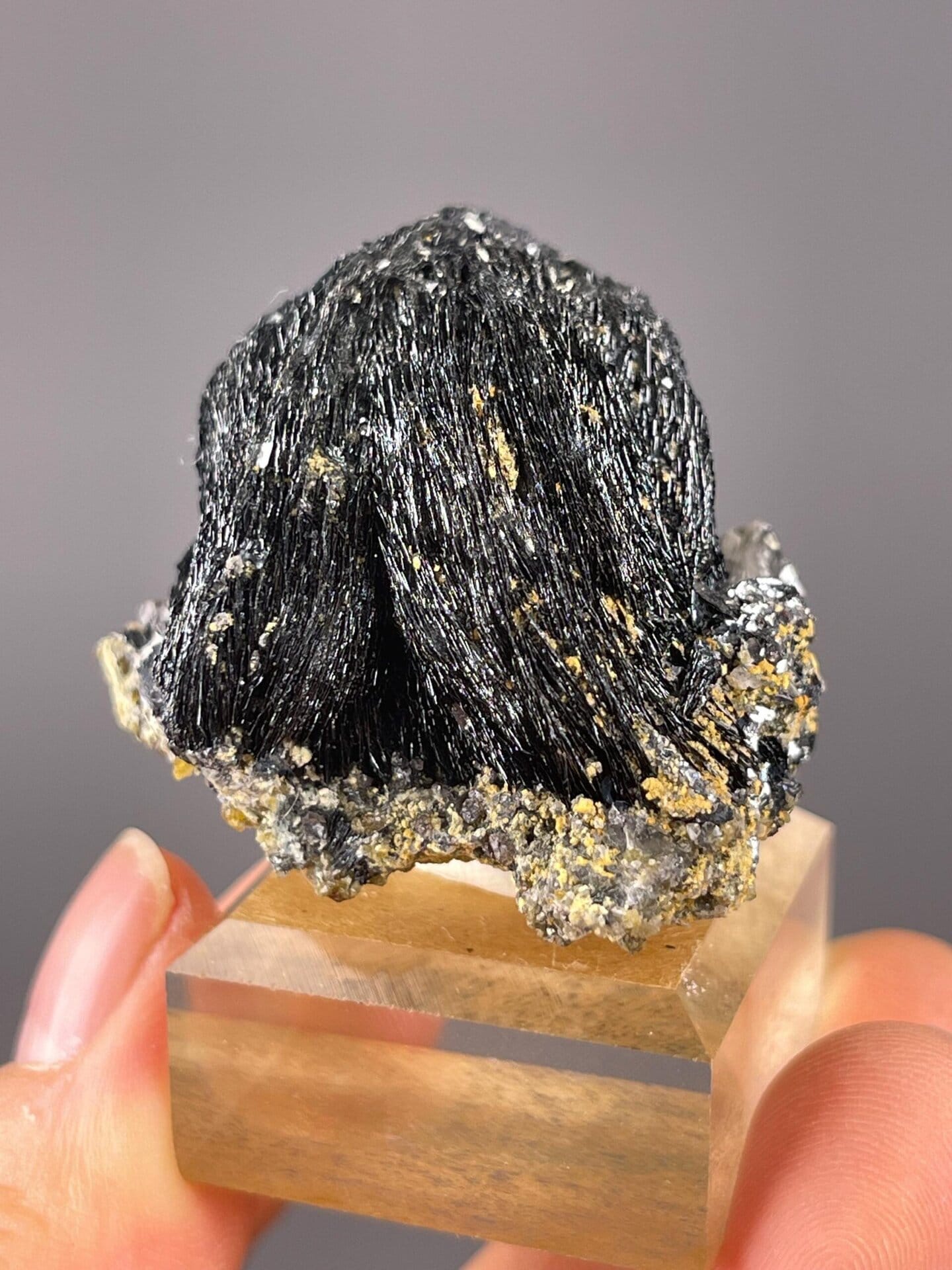
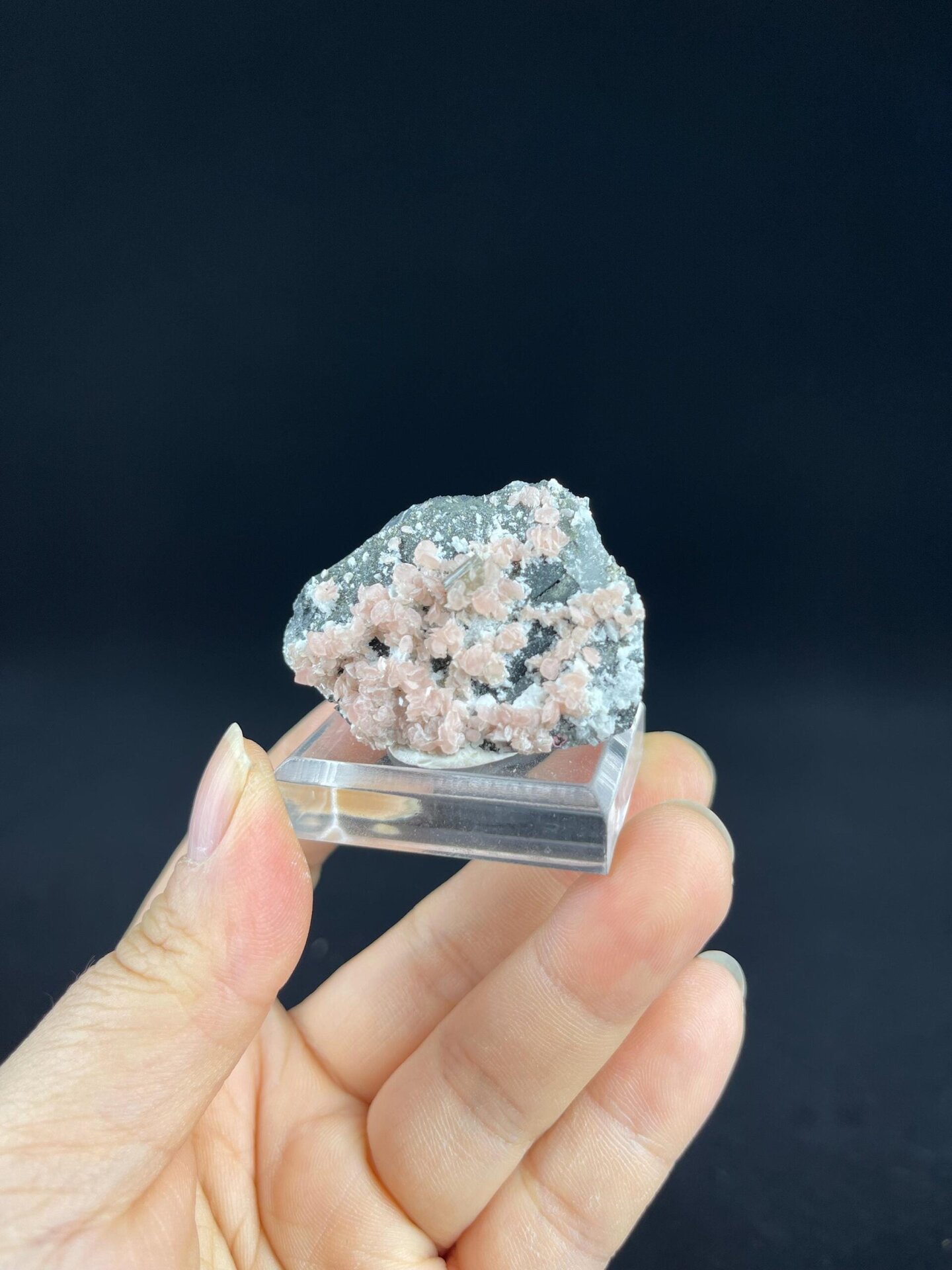
Rhodochrosite is manganese carbonate (MnCO₃), a rose-red to pink collector mineral — China's Wuzhou district in Guangxi is one of the world's great sources of deep-red crystals.
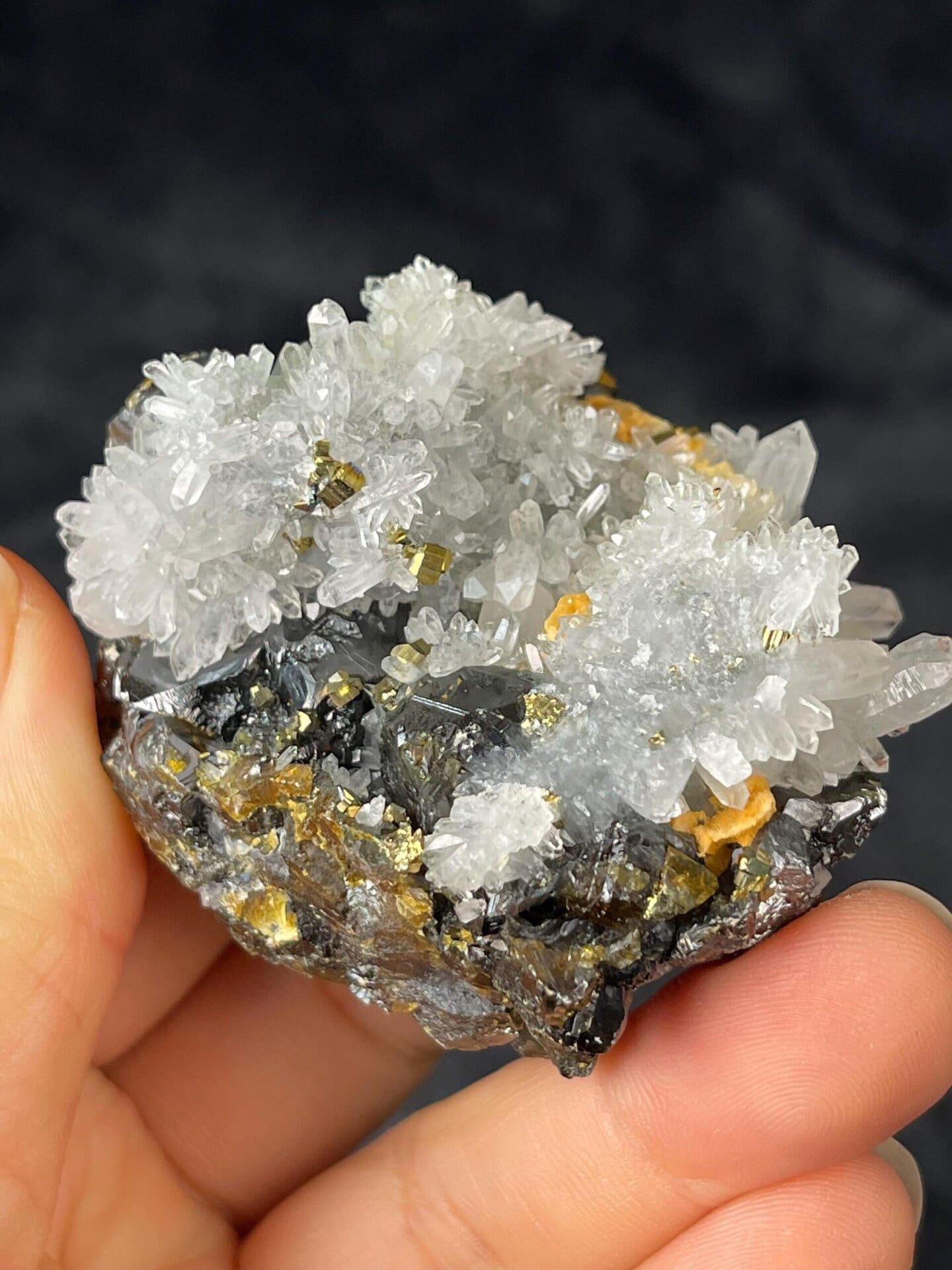
Zinc sulfide, the principal zinc ore; isometric, deep resinous lustre.
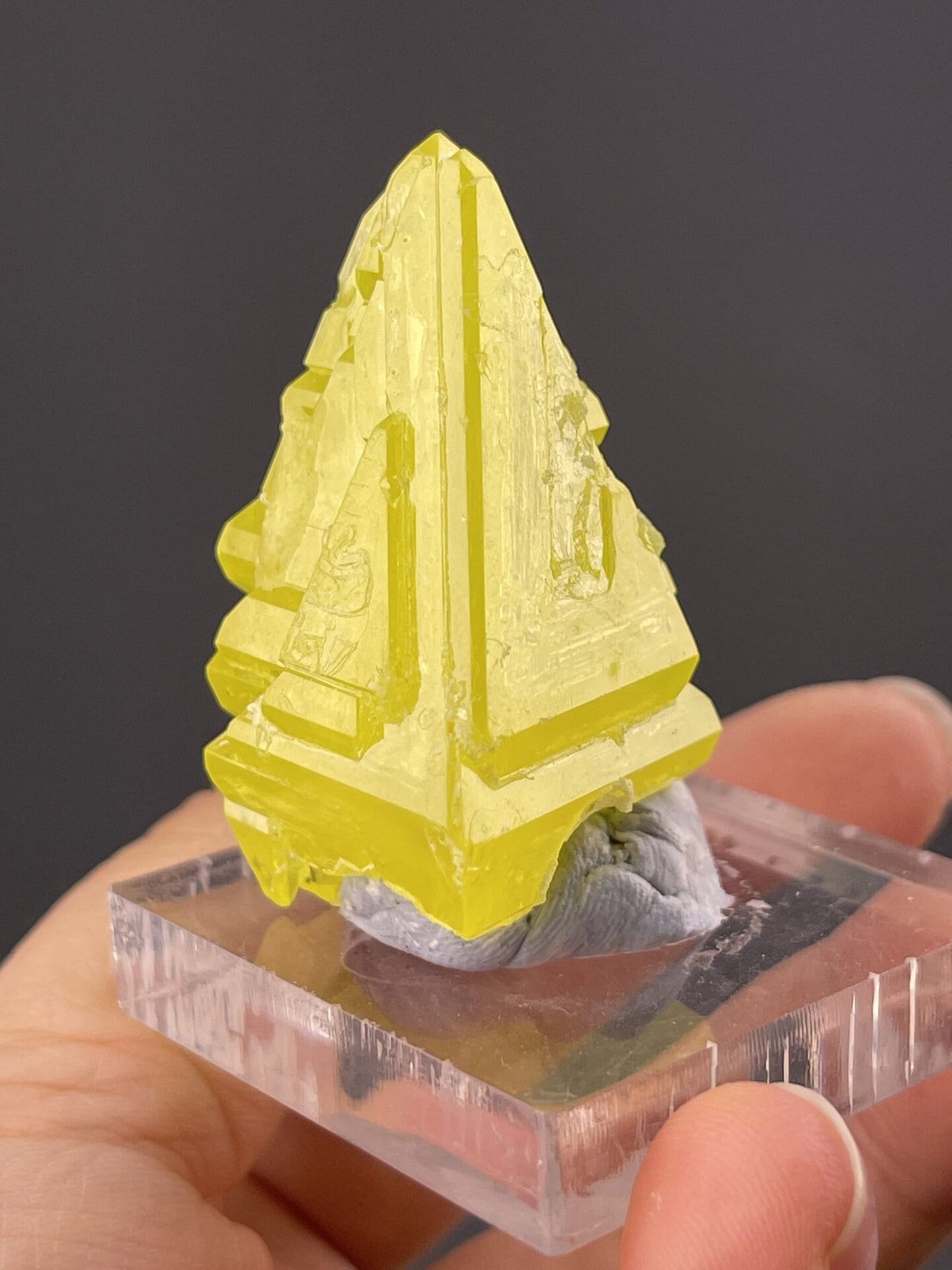
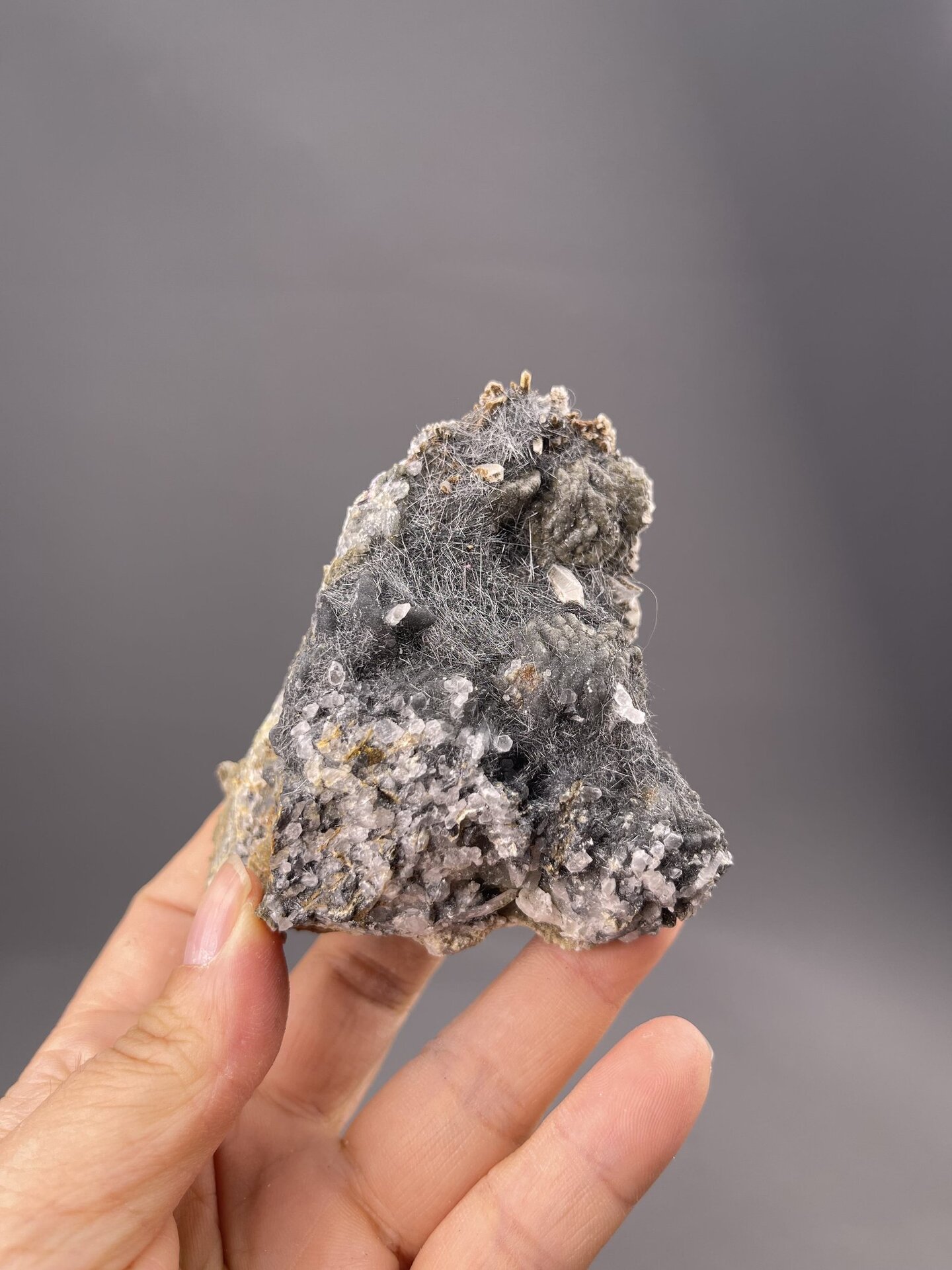
Bismuthinite is bismuth sulfide (Bi₂S₃), a lead-grey metallic mineral of bladed and needle-like crystals, found in China's tungsten-tin-bismuth veins such as Yaogangxian in Hunan.
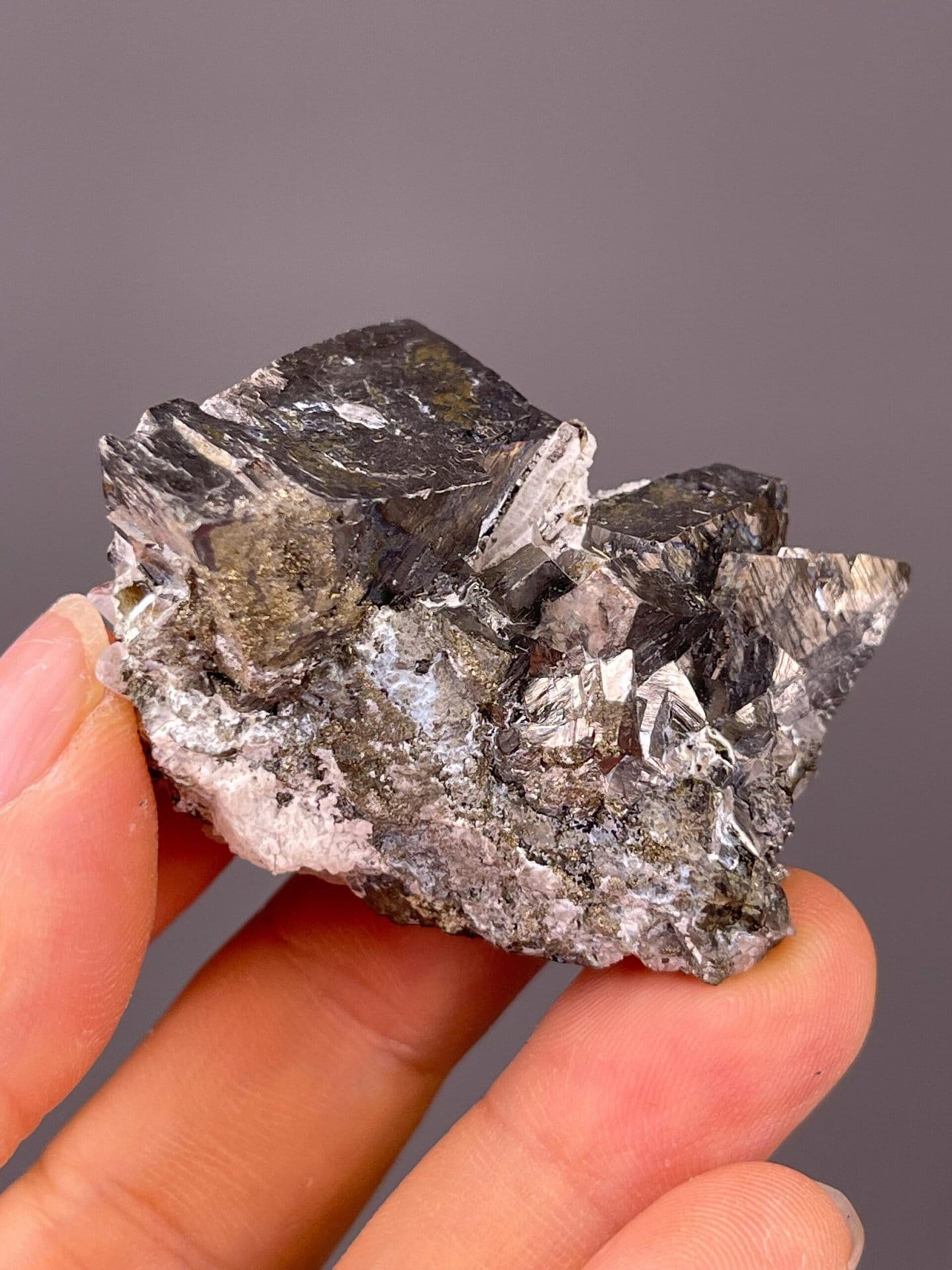
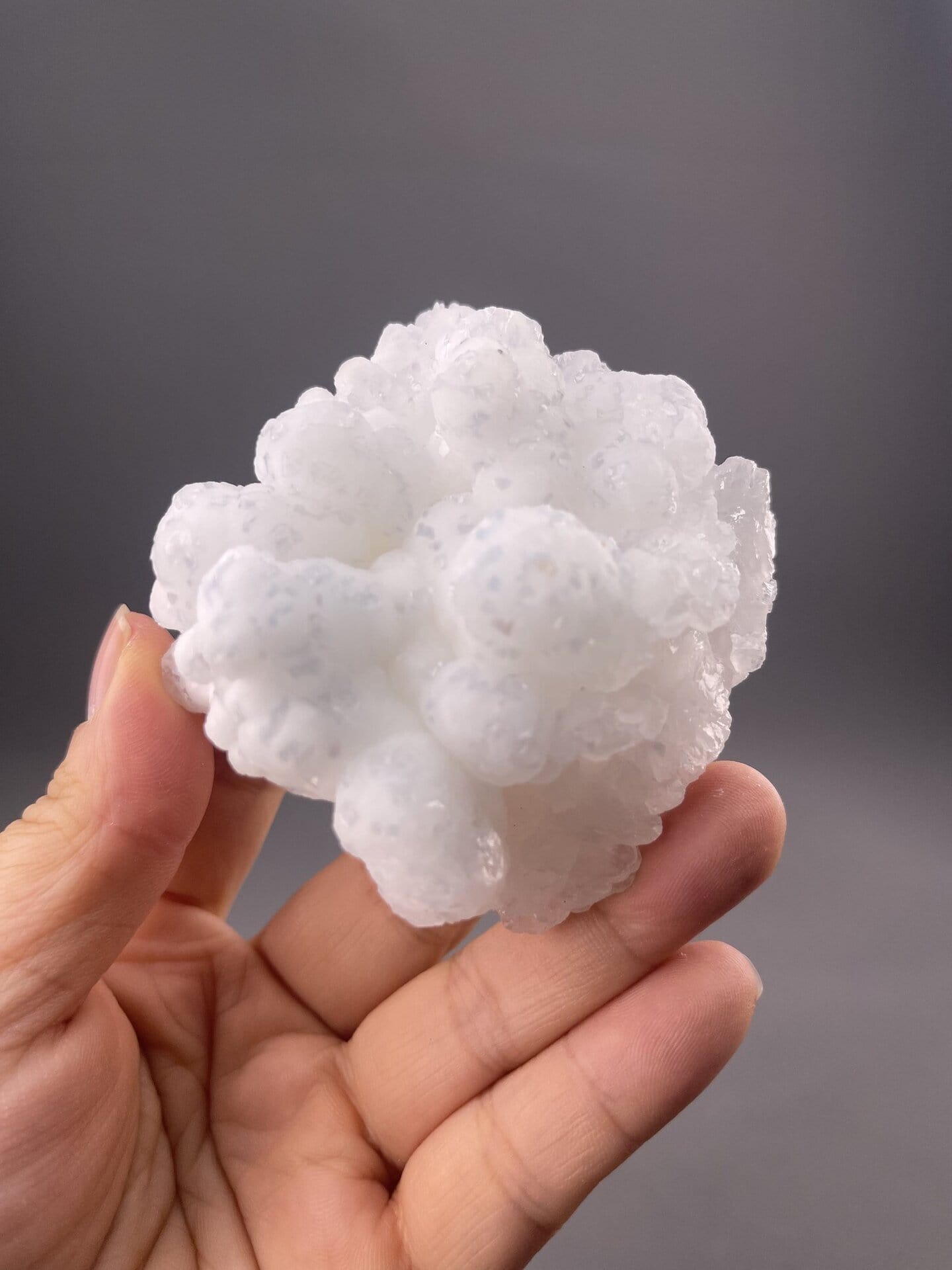
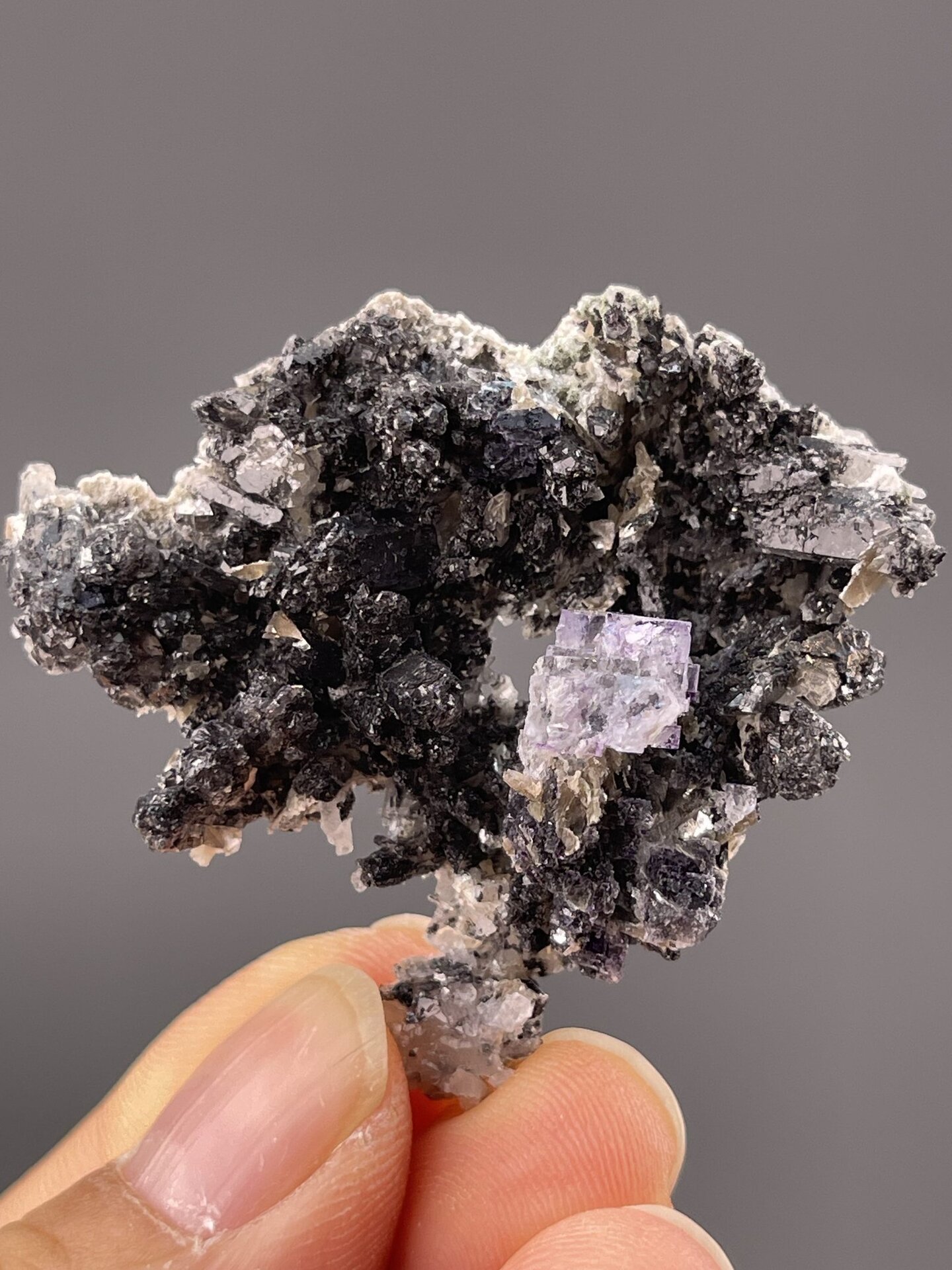
Chalcopyrite is copper iron sulfide (CuFeS₂), the most important ore of copper, often tarnishing to the iridescent blues and purples called 'peacock ore'.
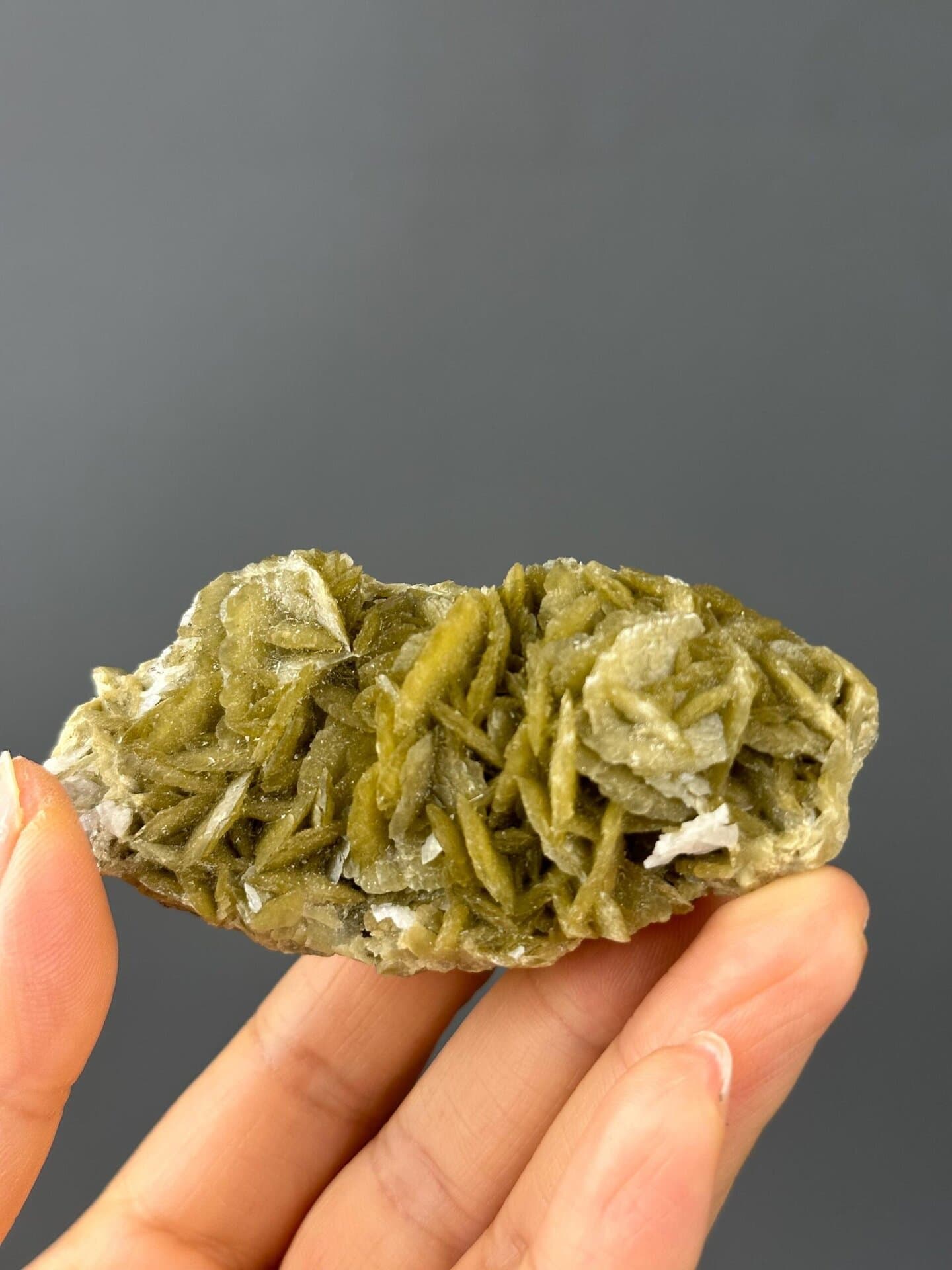
Calcium magnesium carbonate (CaMg(CO3)2); trigonal/hexagonal. Forms rhombohedral crystals, often pearly white.